
Residential service in Toronto and the GTA
Roofing Solutions
Roof work that protects what is under it — leaks, edges, ventilation and the insulation the roof is meant to keep dry.
What the space is telling you
Signs you may need this
The symptom shows up in the room. The cause is usually in the assembly around it, which is what the scope has to name.
- A stain on a ceiling that comes back after rain
- Shingles lifting, curling or missing along an edge or a slope
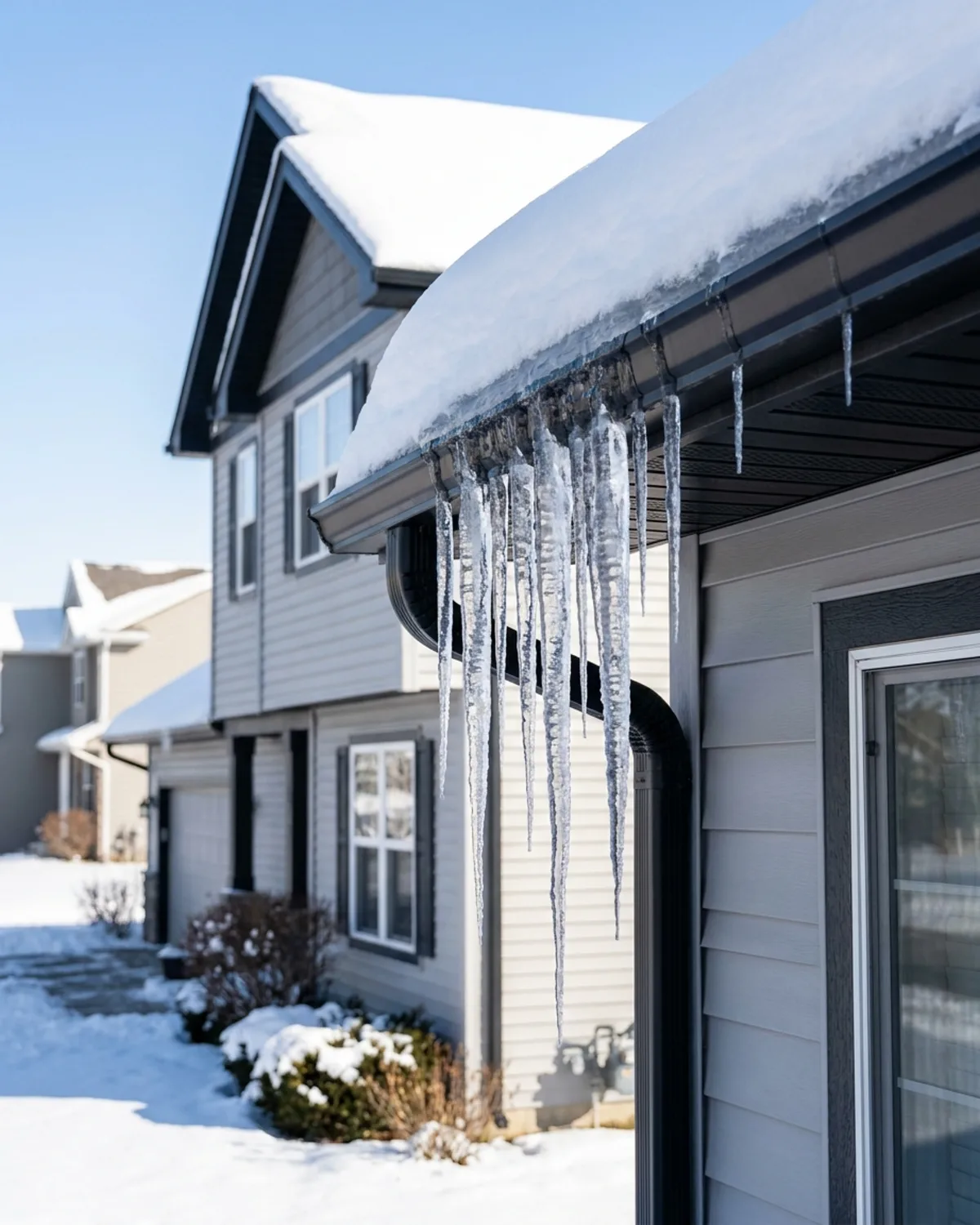
- Meltwater backing up behind ice at the eaves in winter
- Heat escaping into the attic warming the roof deck from below
- Daylight or wet sheathing visible from inside the attic
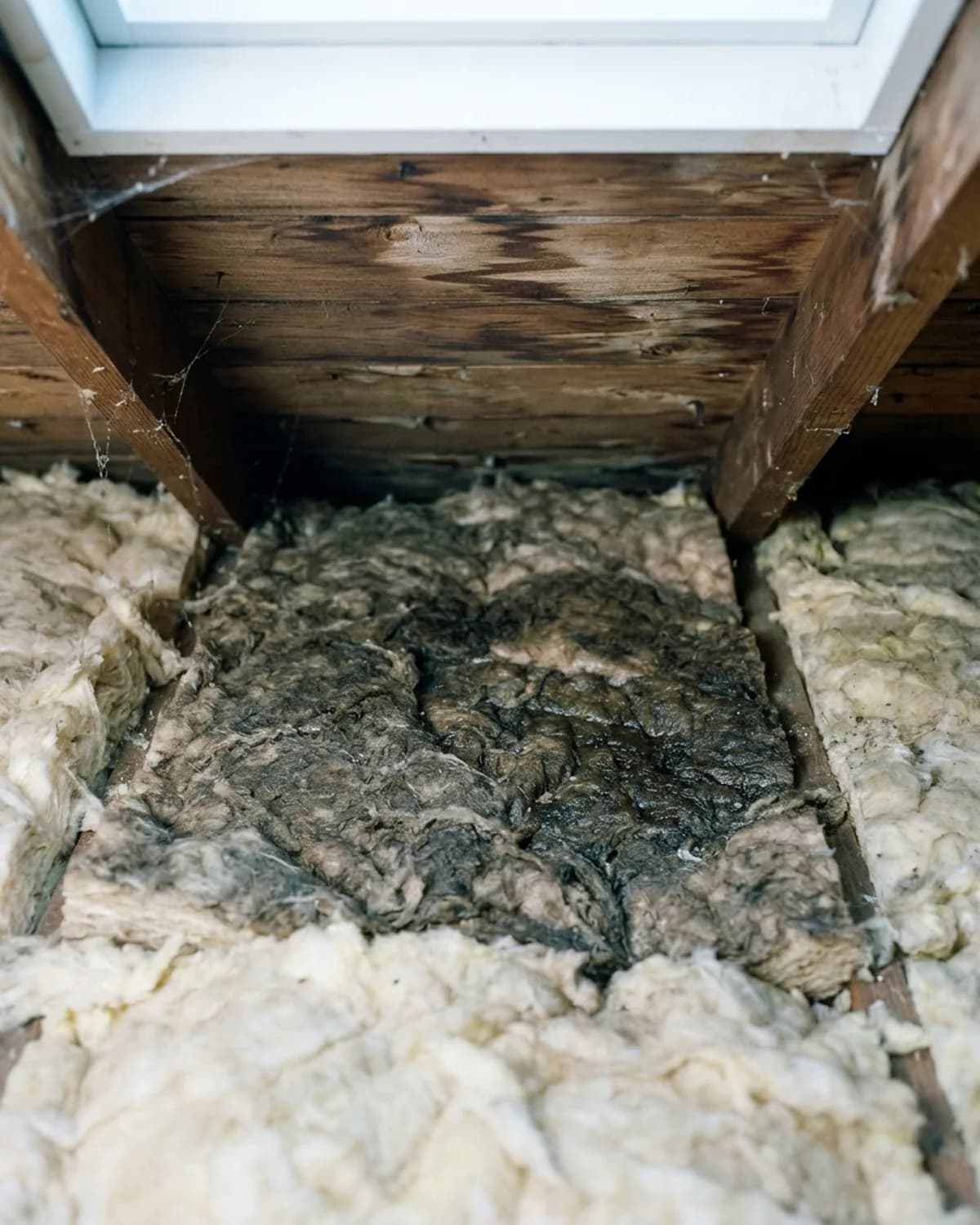
- Insulation under the roof that is matted, dark or damp
- A roof near the end of its service life with insulation work planned underneath
Built for the assembly in front of us
Materials and options
Shingle systems
Selected for the slope, the exposure and what the existing deck can carry.
Underlayment and ice-and-water membrane
Applied where water is most likely to back up, which on most Toronto roofs is the eaves and the valleys.
Flashing and edge details
The joints where a roof usually fails first: valleys, walls, chimneys and penetrations.
Intake and exhaust ventilation
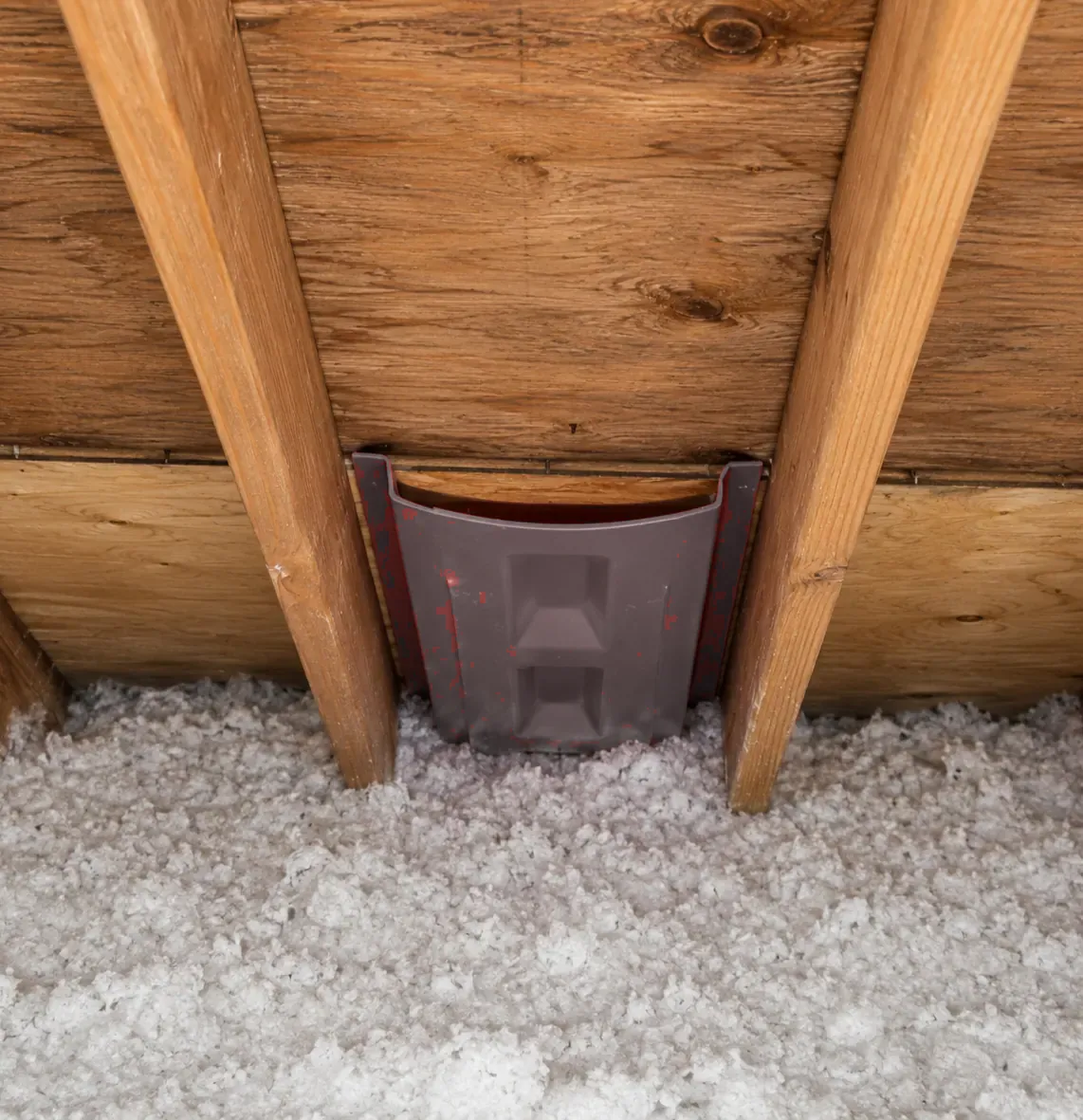
Part of the roof assembly, not an accessory to it — a roof with no airflow under it works harder than it has to.
A roof fails from underneath more often than people expect
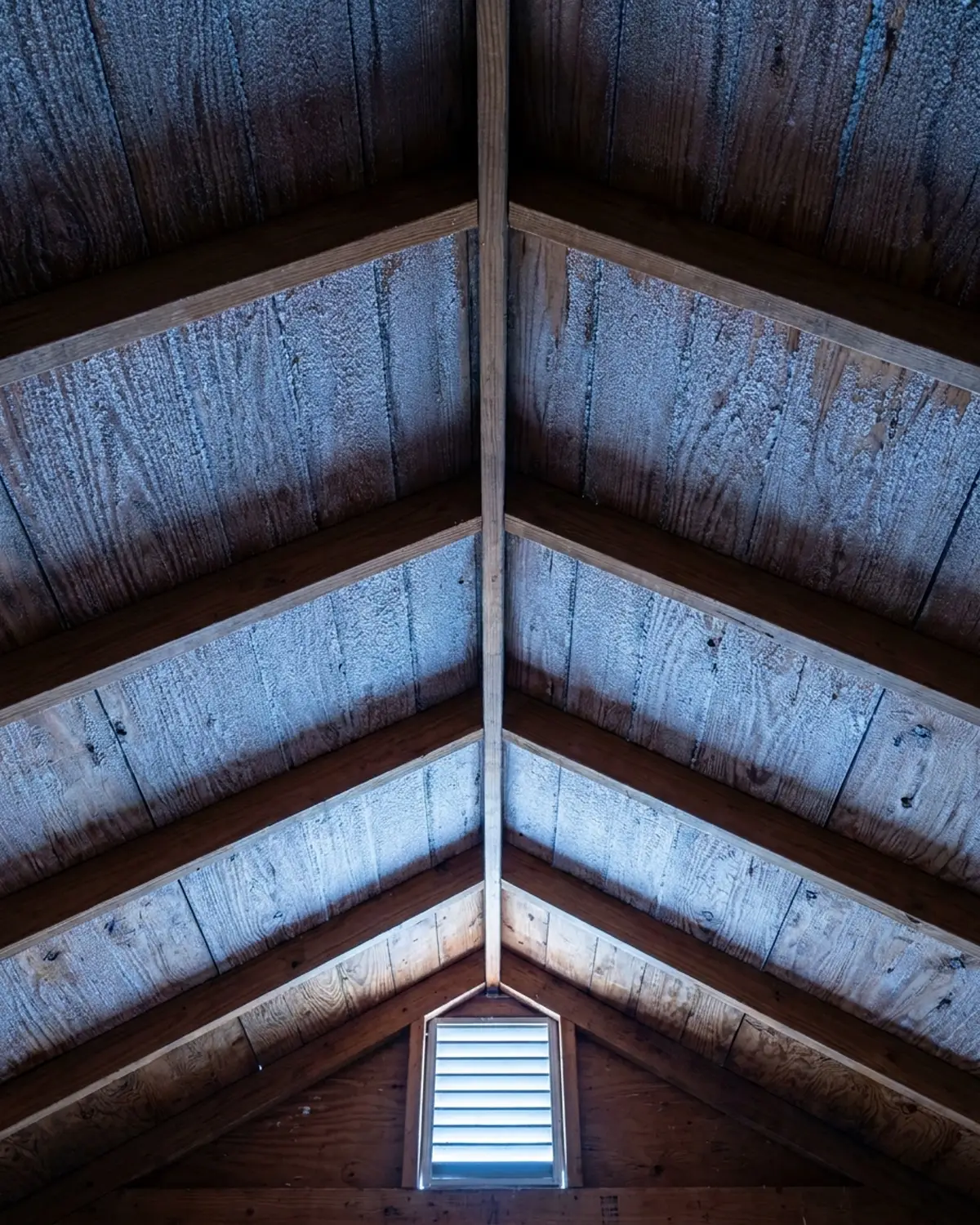
Most of what shortens a roof's life from the outside is visible. What happens underneath is not. Heat that escapes into the attic warms the deck unevenly, which is where ice dams start at the colder edge, and moisture that has nowhere to go condenses on the underside of the sheathing. That is why a roof question and an attic question keep turning into the same question, and why we look at both before recommending either. It also decides the order of the work: replacing a roof over an attic that still traps heat and moisture puts a new assembly on top of the condition that damaged the last one.
Is this the right call for your home?
When it applies
- There is an active leak, or a stain that returns after rain
- The roof is being replaced and there is insulation work planned underneath
- Ice keeps forming at the same edge every winter
- Insulation under the roof got wet and has not recovered
When something else comes first
- The roof is sound and the complaint is comfort or bills — that is usually an insulation and air sealing scope
- The moisture source is inside the house rather than the roof, such as a fan venting into the attic
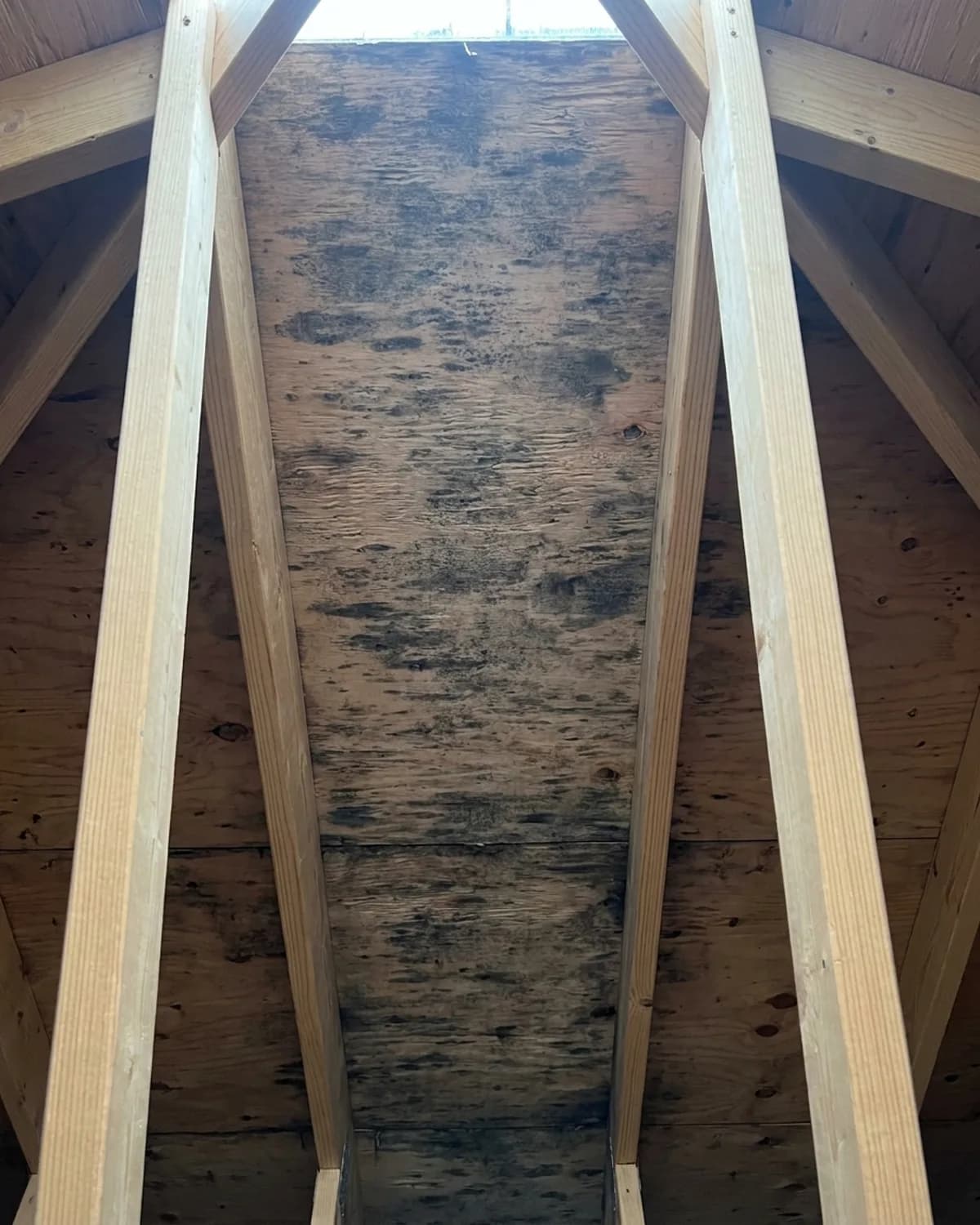
- The staining is mold on the sheathing with no leak, which is a ventilation and remediation question first
A roof is worth doing once. If the attic underneath is part of why the last one failed, that comes up before the date is set rather than after, even when it means the roofing work waits.
How the work runs
Our process
Remote review from the address
Roof measurements, slopes and edge conditions read before anyone is scheduled.
Looking at both sides
The roof from above and the attic from below, because the two explain each other.
Scope and sequence
What has to be done, in what order, and what can wait — including whether insulation work should come first.
The work
Carried out to the assembly the roof calls for, with the edge and flashing details treated as part of it.
What was found
Conditions recorded, including anything in the attic that will matter later.
About this service
Questions we get on this one.
Specific to roofing solutions. Tap a question.

Eco-Therma
Usually replies the same day
Do you replace whole roofs, or only repair them?
Both are possible, and which one applies depends on the state of the assembly rather than on a preference. We look at the deck, the edge detail and what the attic underneath is doing before recommending one over the other.
The roof leaked. Does the insulation have to come out?
Not always. Insulation that got wet once and dried can sometimes stay. Insulation that stayed wet, compressed or grew mold does not recover, and leaving it in place keeps the moisture in the assembly. That call is made after looking, not before.
Why does a roofing question turn into an attic question?
Because most of what damages a roof from the outside is visible, and most of what damages it from the inside is not. Trapped heat and moisture in the attic shorten a roof's life from below, which is why ventilation and insulation come up in a roofing conversation.
Can you tell me what it will cost from photos?
Eco-Therma can give a range remotely, from the address and the roof measurements. What still needs a visit is the condition of the deck and the edge details, because those are what change the number.
A practical next step
Get a quote on roofing solutions.
Send your address and the approximate size of the space. We come back with a remote estimate and what still needs to be confirmed on site.