

Attic heat loss diagnostic
Heat Loss Through the Attic
What you see outside often starts inside the attic.
The short answer
Heat leaving the house through the attic is rarely one hole. It escapes through gaps around wiring, plumbing and light fixtures, through an uninsulated hatch, and through insulation that has settled or was never deep enough. The rooms below feel cold, the bills climb, and in winter the warmed roof deck feeds ice at the eaves.
The snow is not always the problem.Escaping heat is.
Heat leaves through five places.We check every one.
A cold room is the end of a path, not the start of one. The envelope has four weak points, and which one matters is decided in your attic, not on this page.
- 1The upper floorAttic inspection for bypasses above those rooms
- 2The attic hatchInspect the hatch weatherstripping and its backing
- 3One roomDepth measured at several points, not one
- 4The billCompare consumption against the weather, then inspect
- 5One roomPhotograph the roof on a cold morning after snow
Reading the evidence
A visible symptom narrows the cause. It does not settle it on its own, which is what the quote on your own attic is for.
Rooms on the top floor never hold their heat
Likely causeWarm air leaving through the ceiling plane
How we confirm itAttic inspection for bypasses above those rooms
If confirmedAir sealing of the ceiling penetrations
A cold draft felt around the attic hatch
Likely causeAn uninsulated, unsealed access panel
How we confirm itInspect the hatch weatherstripping and its backing
If confirmedSealing and insulating the hatch
Insulation that sits low, uneven, or below the joists
Likely causeSettled or under-installed coverage
How we confirm itDepth measured at several points, not one
If confirmedTop-up once the air sealing is done
Heating bills climbing without a change in habits
Likely causeEnvelope losses rather than equipment
How we confirm itCompare consumption against the weather, then inspect
If confirmedAir sealing and coverage assessed together
Snow melting off the roof in patches while neighbours keep theirs
Likely causeEscaping heat warming the deck from below
How we confirm itPhotograph the roof on a cold morning after snow
If confirmedReduce the heat loss before touching the roof
What this page cannot tell you
- This page describes where heat leaves a house through the attic. It does not estimate savings, because the result depends on the building, the equipment and how the house is used.
- Insulation depth alone does not describe performance. Sealed or unsealed, the same depth behaves differently.
The recommendation hierarchy
The bypasses are located before depth is added. Insulation laid over an unsealed gap slows the air down, it does not stop it, and the gap is no longer reachable afterwards.
Primary solution
Air Sealing
Seal accessible gaps and penetrations to reduce drafts, heat loss and uncontrolled air leakage.
Explore this service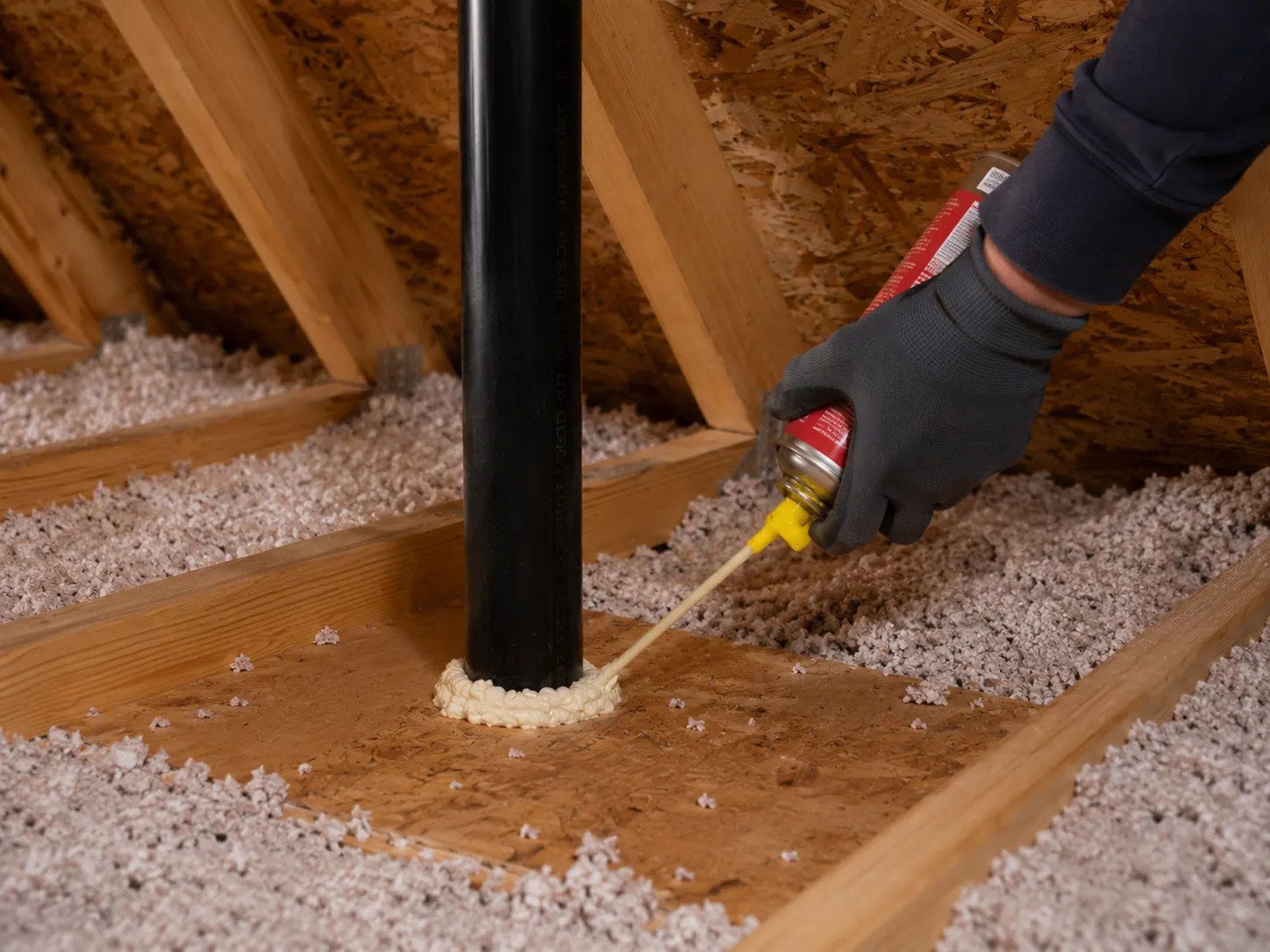
Conditional solution
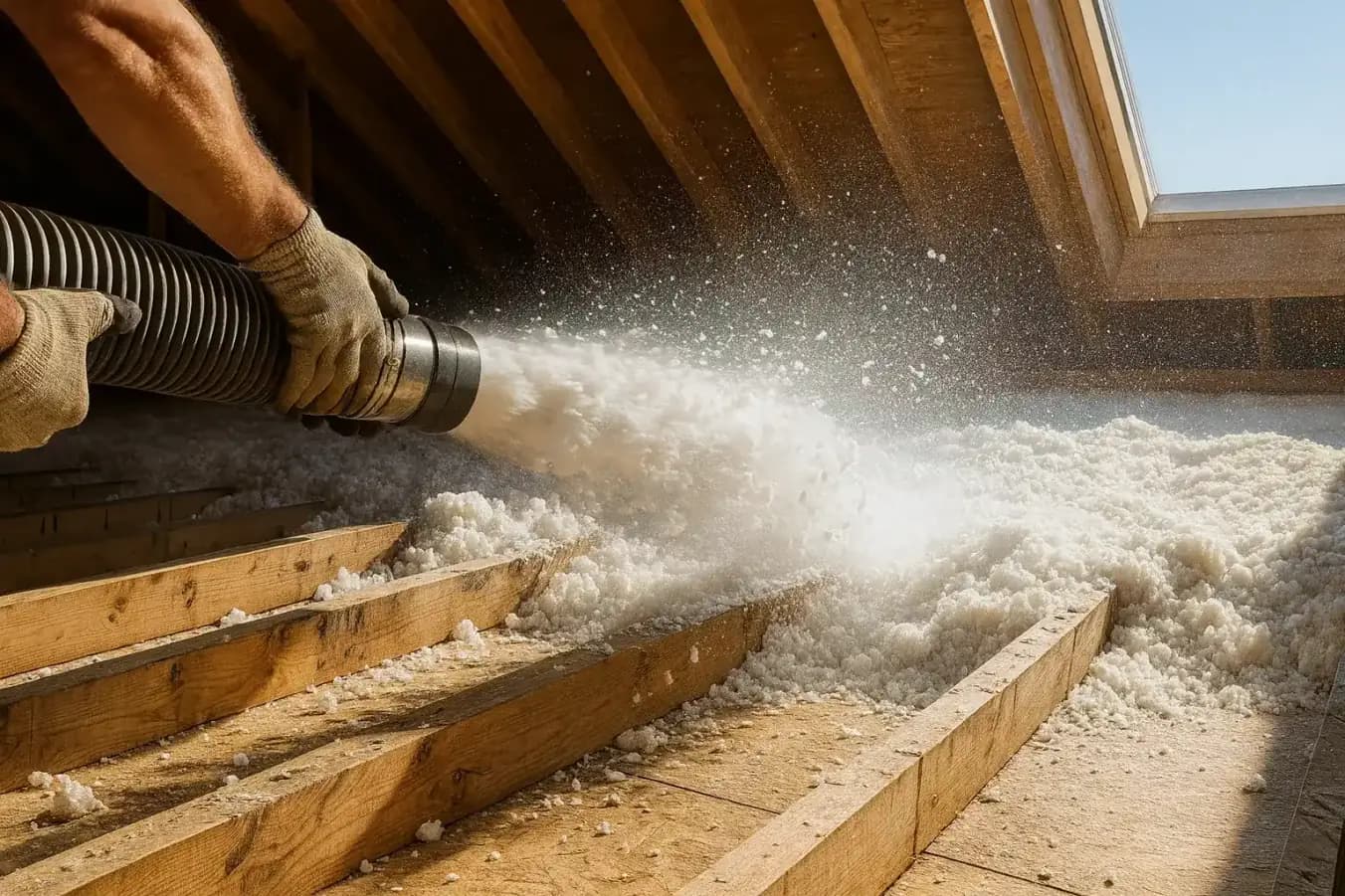
Attic Insulation Top-Up
Use it: if the coverage is thin or uneven once the gaps are sealed.
Conditional solution
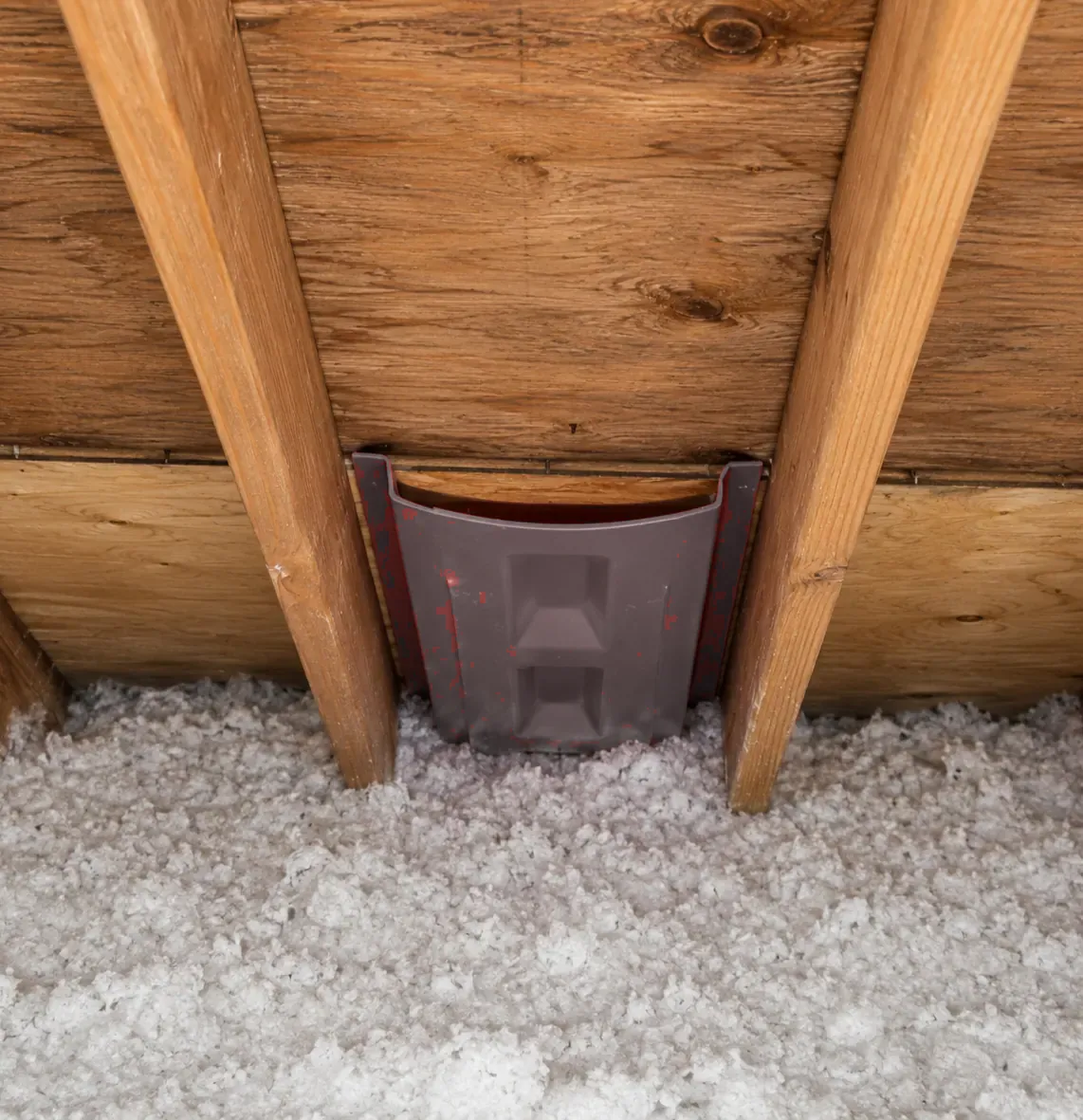
Attic Ventilation & Airflow
Use it: if the attic runs warm because air cannot move through it.
About this problem
Questions homeowners ask us.
Everything below is about heat loss through the attic. Tap one.

Eco-Therma
Usually replies the same day
Why seal before adding insulation?
Insulation slows heat that moves through material. It does not stop air that moves through a gap. Sealing first means the new depth works on the whole ceiling instead of everywhere except the openings.
Is the attic hatch really worth doing?
The attic hatch is a full opening in the ceiling, and it is often the only part with no insulation over it at all. On a lot of houses it is the single largest bypass in the attic.
What does heat loss have to do with ice at the eaves?
Heat escaping into the attic warms the roof deck from underneath. Snow melts on the warm part of the roof and refreezes at the colder edge, which is where the ice builds.
A practical next step
Request a Remote Quote
A remote quote starts and finishes with your address and the approximate size of your attic. No attic access, no waiting on a visit.