

Attic heat loss diagnostic
High Heating and Cooling Bills
What you see outside often starts inside the attic.
The short answer
A rising heating or cooling bill tells you that energy is leaving the house, not where it leaves from. In most Ontario homes the attic plane is the largest single opportunity, through air leakage first and insulation depth second. A remote quote establishes how much of the bill is actually addressable, from the address and the attic size.
Heat leaves through four places.We check every one.
A cold room is the end of a path, not the start of one. The envelope has four weak points, and which one matters is decided in your attic, not on this page.
- 1The billDepth measurement and attic inspection
- 2The equipmentAttic assessment with thermal imaging
- 3The ceiling planeInspection of penetrations, hatch and top plates
- 4The floor lineBasement perimeter inspection
Reading the evidence
A visible symptom narrows the cause. It does not settle it on its own, which is what the quote on your own attic is for.
Bills rose without a change in habits
Likely causeInsulation that has settled, or leakage that has worsened
How we confirm itDepth measurement and attic inspection
If confirmedAir sealing, then insulation to target
The furnace or air conditioner runs longer than it used to
Likely causeContinuous heat transfer through the ceiling plane
How we confirm itAttic assessment with thermal imaging
If confirmedAir sealing and insulation correction
Drafts felt at ceilings and top-floor closets
Likely causeAir moving out through ceiling penetrations
How we confirm itInspection of penetrations, hatch and top plates
If confirmedAir sealing
Cold floors on the main level
Likely causeLeakage and missing insulation at the rim joist
How we confirm itBasement perimeter inspection
If confirmedBasement and rim-joist insulation
What this page cannot tell you
- Utility rates, occupancy and equipment efficiency all move a bill, so no honest assessment attributes an entire increase to insulation.
- We do not publish a savings percentage. What we can do is show you what is deficient and what correcting it changes.
The recommendation hierarchy
A bill does not identify a defect. We locate the leakage before saying what will change, and we do not promise a savings figure we cannot support.
Primary solution
Air Sealing
Seal accessible gaps and penetrations to reduce drafts, heat loss and uncontrolled air leakage.
Explore this service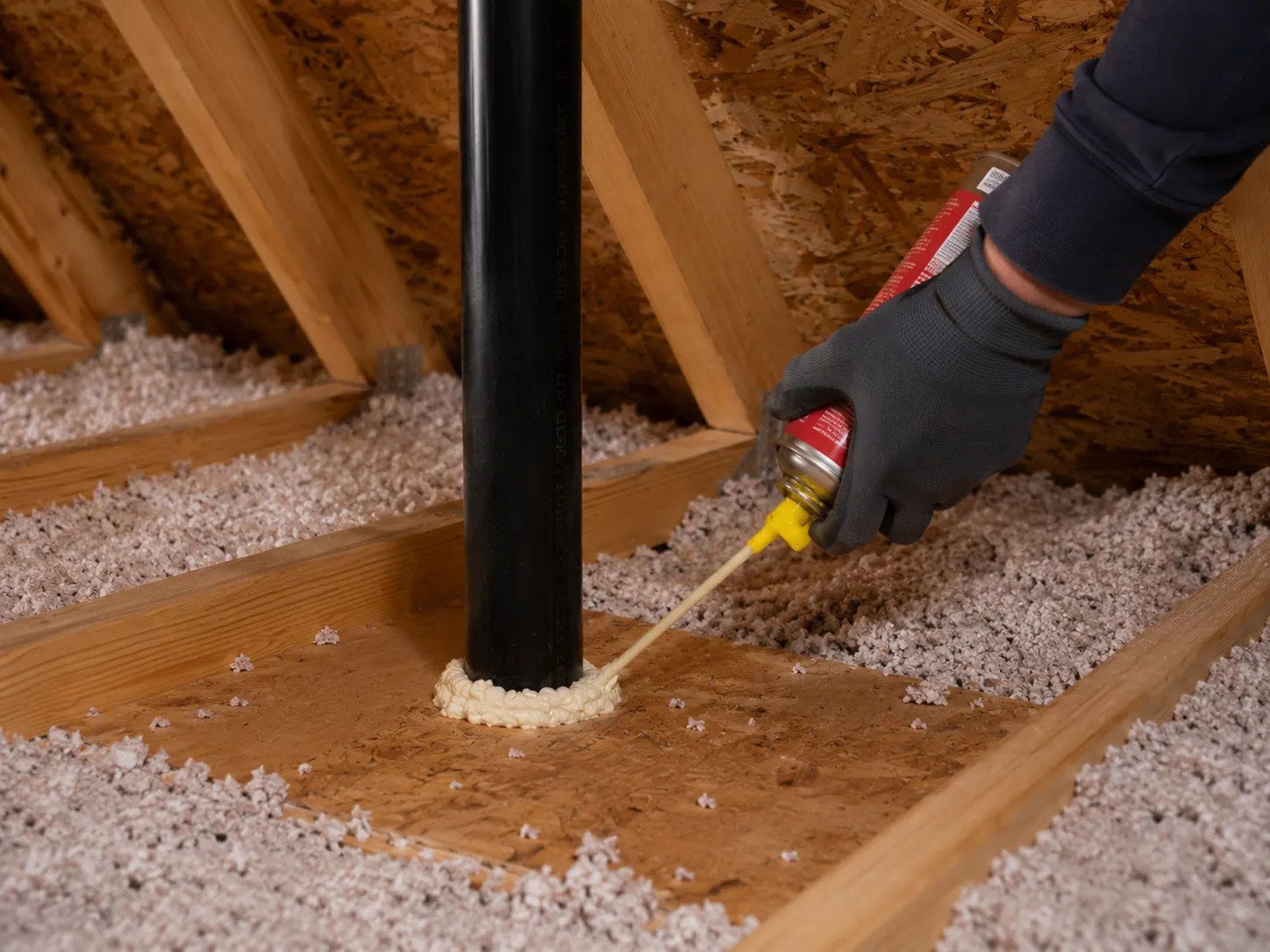
Conditional solution
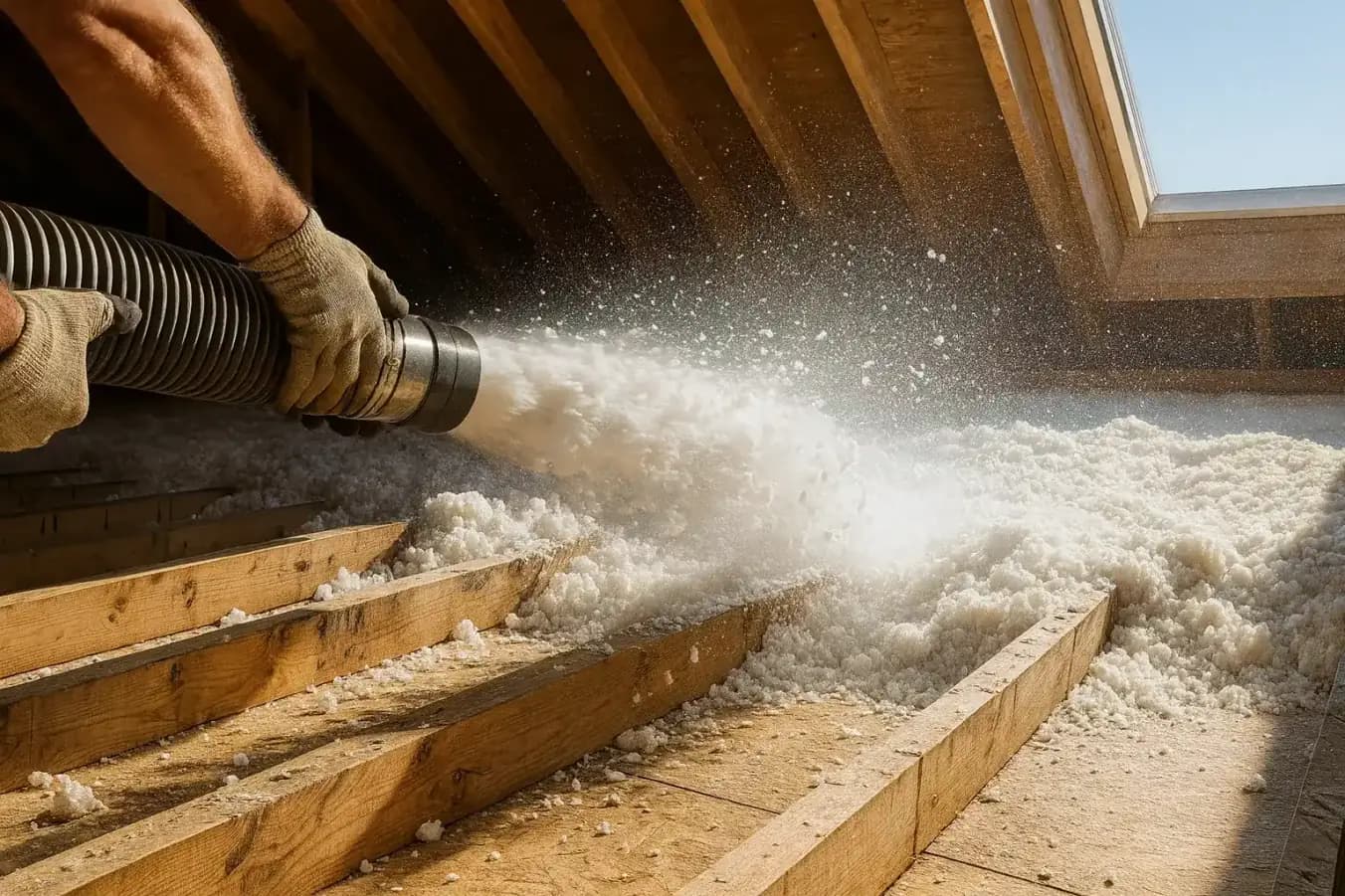
Attic Insulation Top-Up
Use it: after air sealing, if the measured depth is below target.
Conditional solution
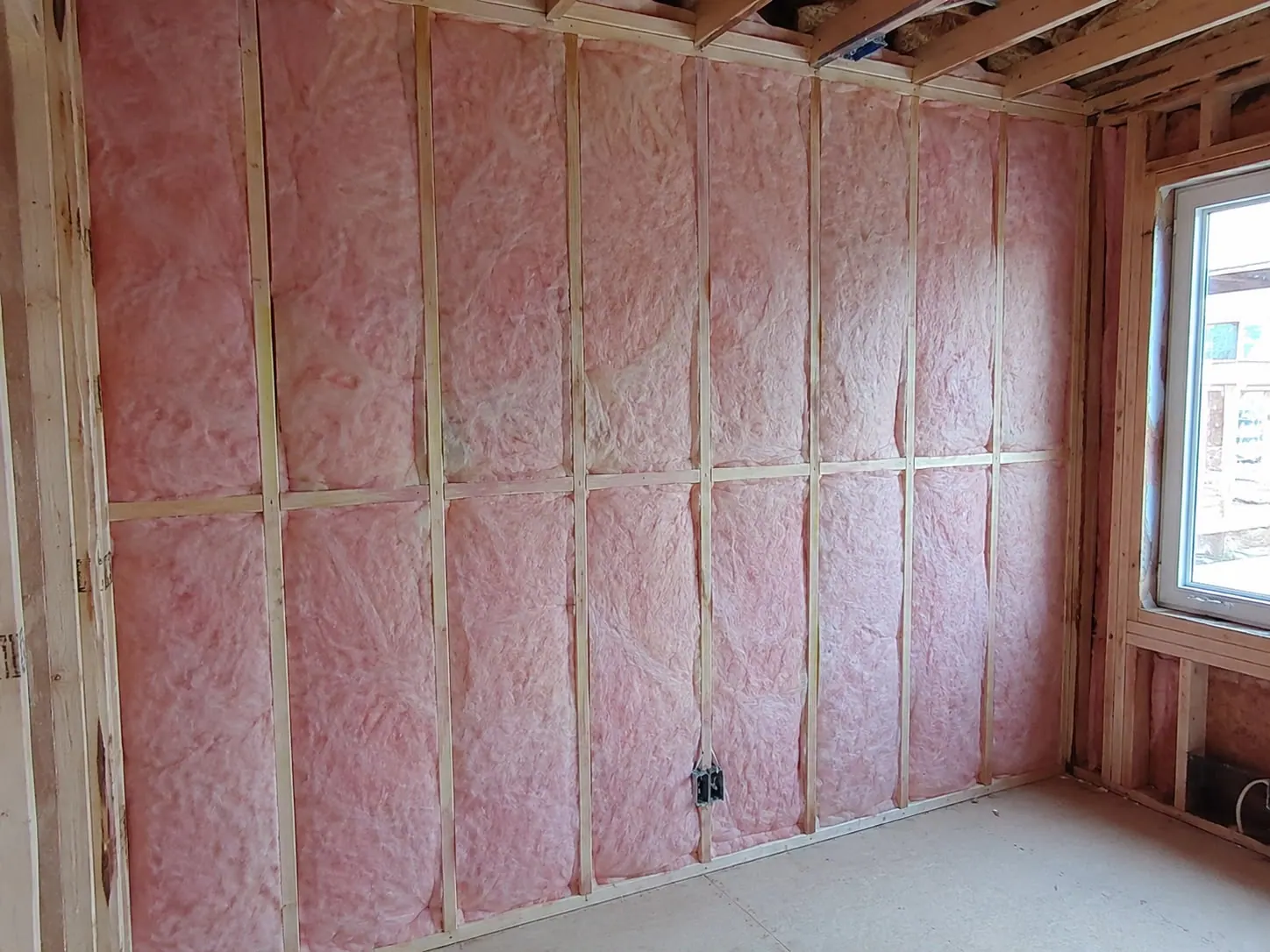
Basement & Rim-Joist Insulation
Use it: if significant leakage is found at the rim joist.
About this problem
Questions homeowners ask us.
Everything below is about high heating and cooling bills. Tap one.

Eco-Therma
Usually replies the same day
How much will I save?
Eco-Therma does not publish a savings figure, because it depends on your current insulation level, how leaky the house is, your equipment and your rates. What an assessment can tell you is what is deficient and what correcting it changes.
What gives the biggest improvement first?
In most Ontario attics, Eco-Therma seals the air leaks before adding depth. Air movement carries more heat than most homeowners expect, and insulation does not stop it.
Is my insulation too old?
Insulation does not expire, but it settles, compresses and can be disturbed. What matters to Eco-Therma is the measured depth and its condition, not its age.
A practical next step
Request a Remote Quote
A remote quote starts and finishes with your address and the approximate size of your attic. No attic access, no waiting on a visit.