

Attic heat loss diagnostic
Drafts and Air Leaks
What you see outside often starts inside the attic.
The short answer
A draft is air moving through the building envelope, not just cold air sitting near a surface. In most houses the strongest paths are at the attic hatch, at ceiling penetrations for lights and plumbing, at top plates, and at the rim joist in the basement. Sealing those paths is usually the highest-value work on the envelope.
Heat leaves through four places.We check every one.
A cold room is the end of a path, not the start of one. The envelope has four weak points, and which one matters is decided in your attic, not on this page.
- 1The attic hatchInspection of the hatch from both sides
- 2Recessed lightsAttic inspection above the fixtures
- 3Wall and ceilingAttic inspection along the exterior walls
- 4The floor lineBasement perimeter inspection
Reading the evidence
A visible symptom narrows the cause. It does not settle it on its own, which is what the quote on your own attic is for.
Cold air felt at the attic hatch
Likely causeAn unsealed, uninsulated hatch assembly
How we confirm itInspection of the hatch from both sides
If confirmedAir sealing and hatch treatment
Draft around recessed lights
Likely causeOpen penetrations through the ceiling plane
How we confirm itAttic inspection above the fixtures
If confirmedAir sealing at the penetrations
Cold at the junction of wall and ceiling
Likely causeLeakage at the top plate
How we confirm itAttic inspection along the exterior walls
If confirmedAir sealing at the top plates
Cold floors on the main level
Likely causeLeakage at the rim joist
How we confirm itBasement perimeter inspection
If confirmedBasement and rim-joist insulation
What this page cannot tell you
- Windows and doors are common sources of felt drafts and are outside the scope of attic and envelope sealing.
- A house needs some air exchange. The objective is controlled ventilation, not a sealed box.
The recommendation hierarchy
We locate the leakage paths before proposing insulation. Insulation slows heat transfer, it does not stop air movement.
Primary solution
Air Sealing
Seal accessible gaps and penetrations to reduce drafts, heat loss and uncontrolled air leakage.
Explore this service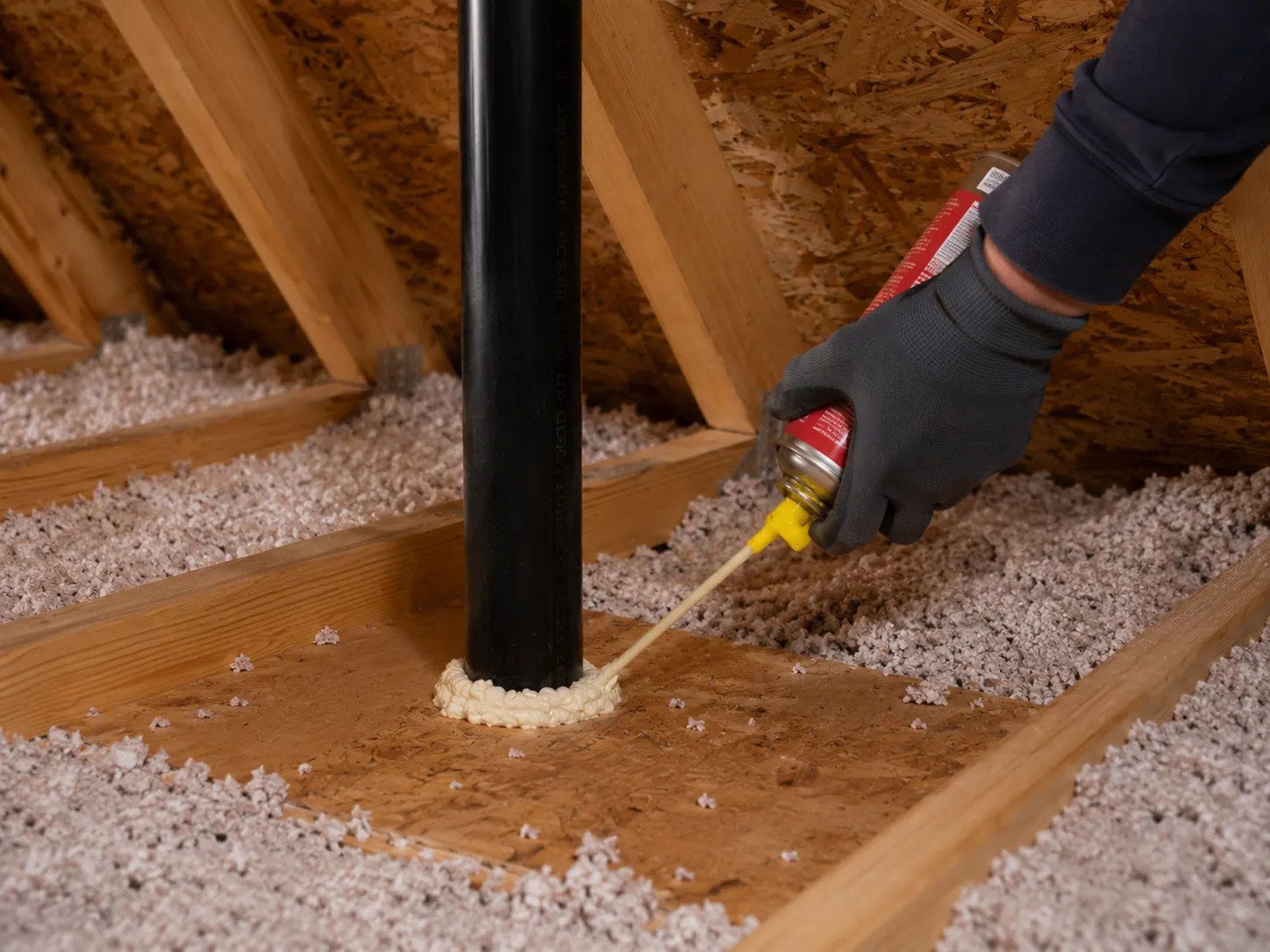
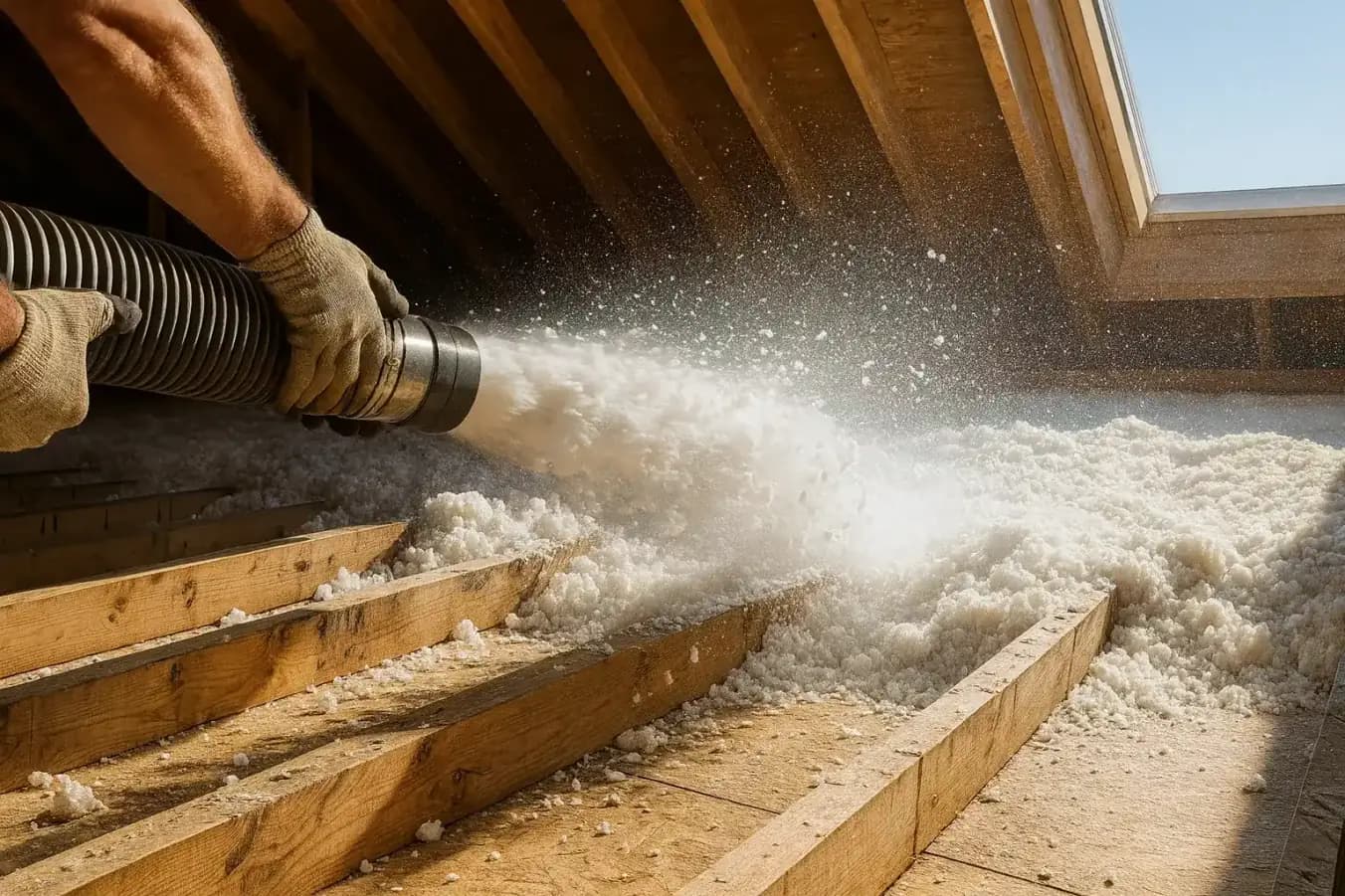
Conditional solution
Attic Insulation Top-Up
Use it: after sealing, if the measured depth is below target.
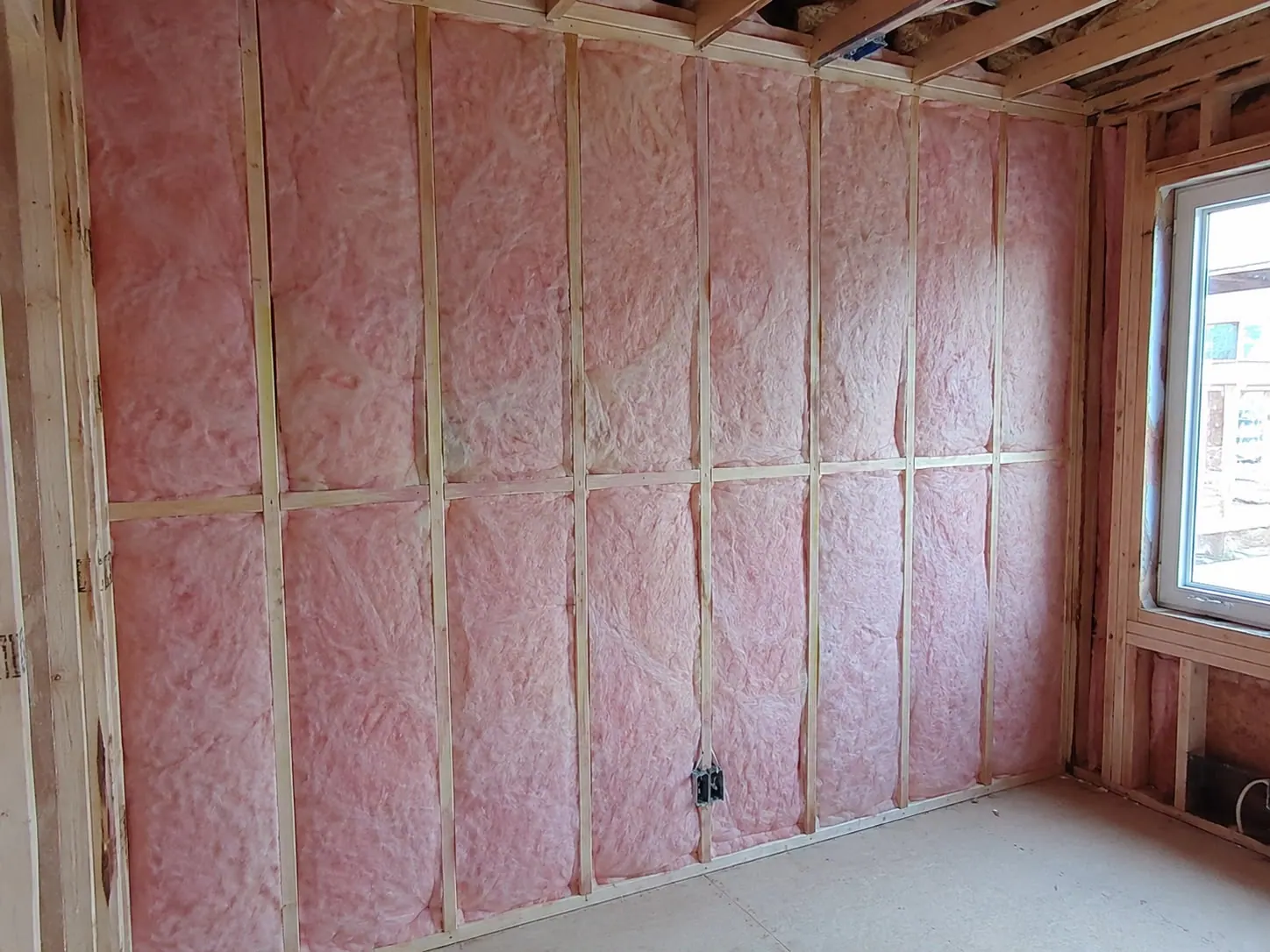
Conditional solution
Basement & Rim-Joist Insulation
Use it: if the strongest leakage is found at the rim joist.
About this problem
Questions homeowners ask us.
Everything below is about drafts and air leaks. Tap one.

Eco-Therma
Usually replies the same day
Is air sealing more important than insulation?
Air sealing and insulation do different jobs. Sealing stops air from carrying heat out, insulation slows heat from passing through. In most attics sealing comes first because air movement carries more heat than homeowners expect.
Can you seal a house too tightly?
A house needs controlled air exchange. The goal is to stop uncontrolled leakage through the envelope, not to eliminate ventilation.
Where are the leaks usually found?
In the places nobody looks: the attic hatch, the top plates where interior walls meet the ceiling, plumbing and wiring penetrations, and around recessed lights. They are small individually, which is exactly why they are missed and why they add up.
A practical next step
Request a Remote Quote
A remote quote starts and finishes with your address and the approximate size of your attic. No attic access, no waiting on a visit.