
Residential service in Toronto and the GTA
Basement & Rim-Joist Insulation
Reduce drafts and improve comfort around basement walls, headers and rim-joist areas.
What the space is telling you
Signs you may need this
The symptom shows up in the room. The cause is usually in the assembly around it, which is what the scope has to name.
- A cold draft along the floor at the base of exterior walls
- The band of wall where the floor framing meets the foundation feels cold
- A basement that stays chilly no matter how the heat is set
- Condensation or a musty smell along the foundation wall in summer
- Fiberglass batts stuffed into the rim joist and falling out
- Heating bills that stayed high after the attic was done
Built for the assembly in front of us
Materials and options
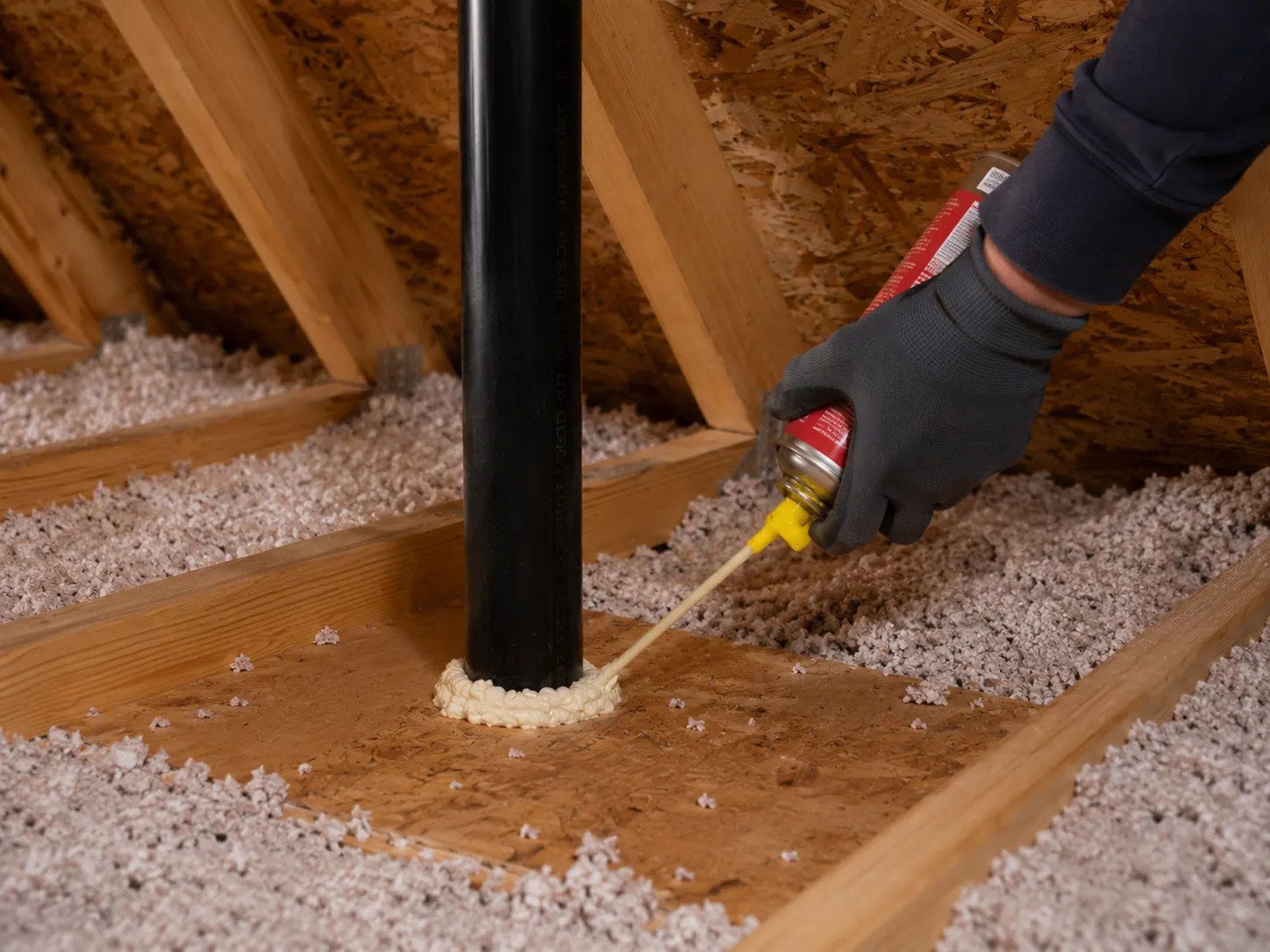
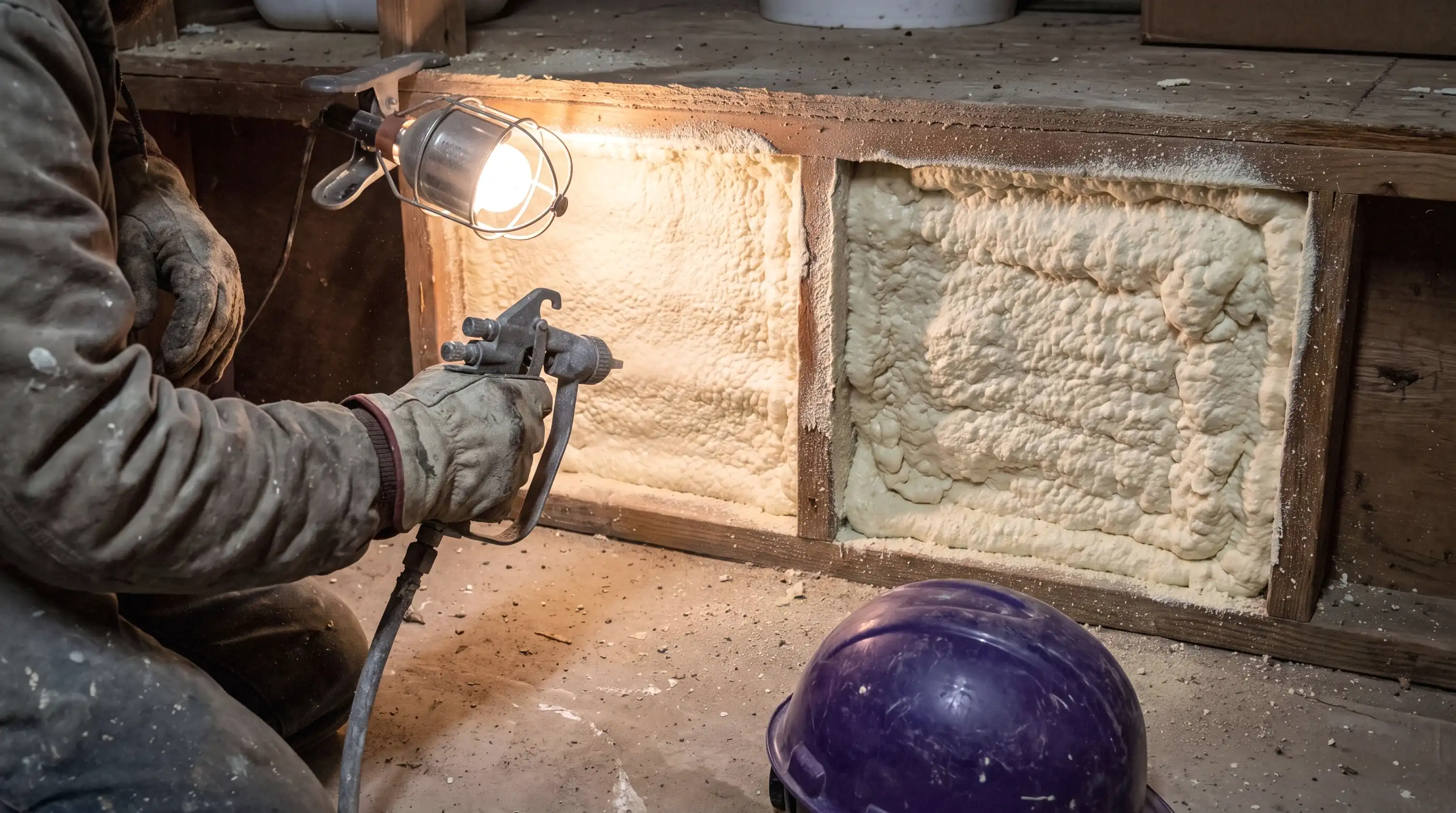
Closed-cell foam at the rim
Insulates and seals the joint between the foundation and the floor framing in one layer.
Rigid board on foundation walls
A continuous layer that breaks the thermal path through the concrete.
Batts over a sealed assembly
Used to add depth once the air sealing layer is in place.
The second biggest leak in most houses
The rim joist is the band where the floor framing sits on the foundation. It is thin, it is full of joints, and in most houses it was either left bare or stuffed with a batt that does nothing about air. Warm air escapes there in winter and humid air enters there in summer, which is why the same spot can feel cold in January and damp in July. After the attic, it is usually the next place worth correcting.
Is this the right call for your home?
When it applies
- The attic has already been addressed and the house still feels drafty low down
- The rim joist is accessible from inside the basement
- You can feel air movement at the base of exterior walls
When something else comes first
- Water is entering the foundation, which is a drainage repair before any insulation
- The basement has an active moisture source that has to be found first
Insulating over a wet foundation hides the water instead of stopping it. If there is standing moisture, staining or efflorescence on the concrete, that gets resolved before anything is closed in.
How the work runs
Our process
Walkthrough of the basement perimeter
Where the rim joist is reachable, and where moisture is present.
Moisture check
Signs of water entry on the foundation, because insulation never fixes water.
Air sealing the joints
The joint between the sill, the foundation and the framing, which is where the air actually moves.
Insulating the rim and walls
Continuous coverage rather than a batt pushed into each bay.
Verification and cleanup
Coverage checked around the full perimeter and the space left clean.
About this service
Questions we get on this one.
Specific to basement & rim-joist insulation. Tap a question.

Eco-Therma
Usually replies the same day
What is the rim joist, and why does it matter?
The rim joist is the band of framing where the floor sits on the foundation wall. It is thin, it runs around the whole house, and it is one of the most common places for outside air to get in.
Is batt insulation enough there?
Batts alone let air move behind them at that location. The rim joist needs to be air-sealed, not just covered.
Will this warm up a cold basement floor?
Insulating the rim joist removes one source of cold air along the perimeter. A cold slab is a separate problem and is assessed on its own.
A practical next step
Get a quote on basement & rim-joist insulation.
Send your address and the approximate size of the space. We come back with a remote estimate and what still needs to be confirmed on site.