
Insulation notes
Ice Dams in Toronto: Check Your Soffit Airflow Before Winter
November 5, 2026
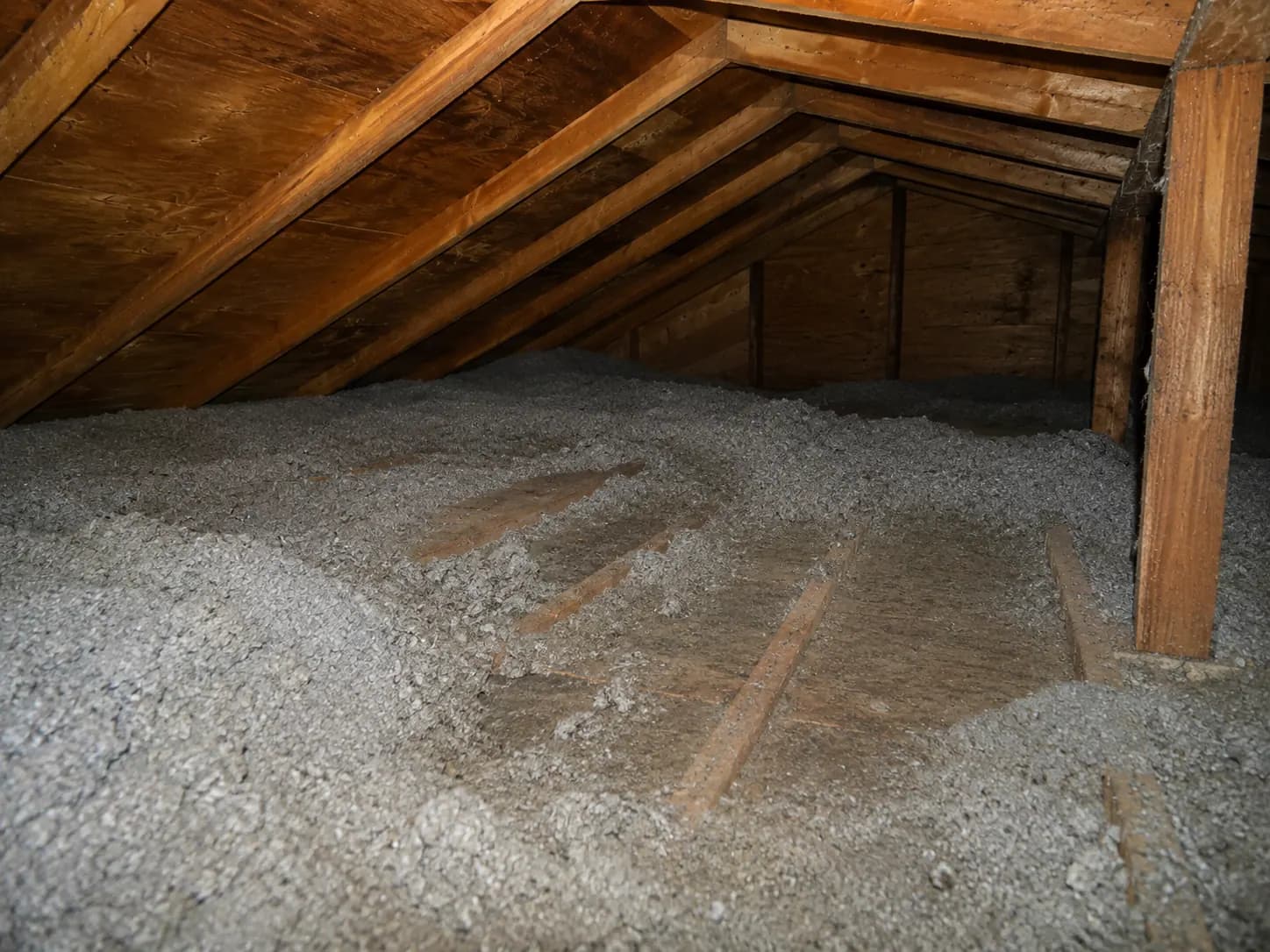
Ice dams in Toronto form when heat from the living space warms the underside of the roof, snow melts, and the meltwater runs down to the cold eaves and refreezes. Before winter, check the attic: ceiling insulation, air leakage, soffit vents and the attic ventilation and baffles in your Ontario home. Only a review of the actual address shows which cause applies.
Why ice dams start in the attic
An ice dam is a ridge of ice at the eave that holds back meltwater. The water can work under the shingles and reach the ceiling. The Ontario Building Code's explanatory material on ice damming ties this problem to heat transfer into the roof, and notes that a combination of insulation and ventilation can limit the risk. That is why the attic is the first place to check, not only the gutters.
Four checks to run before the first snowfall
1. Ceiling insulation: even depth
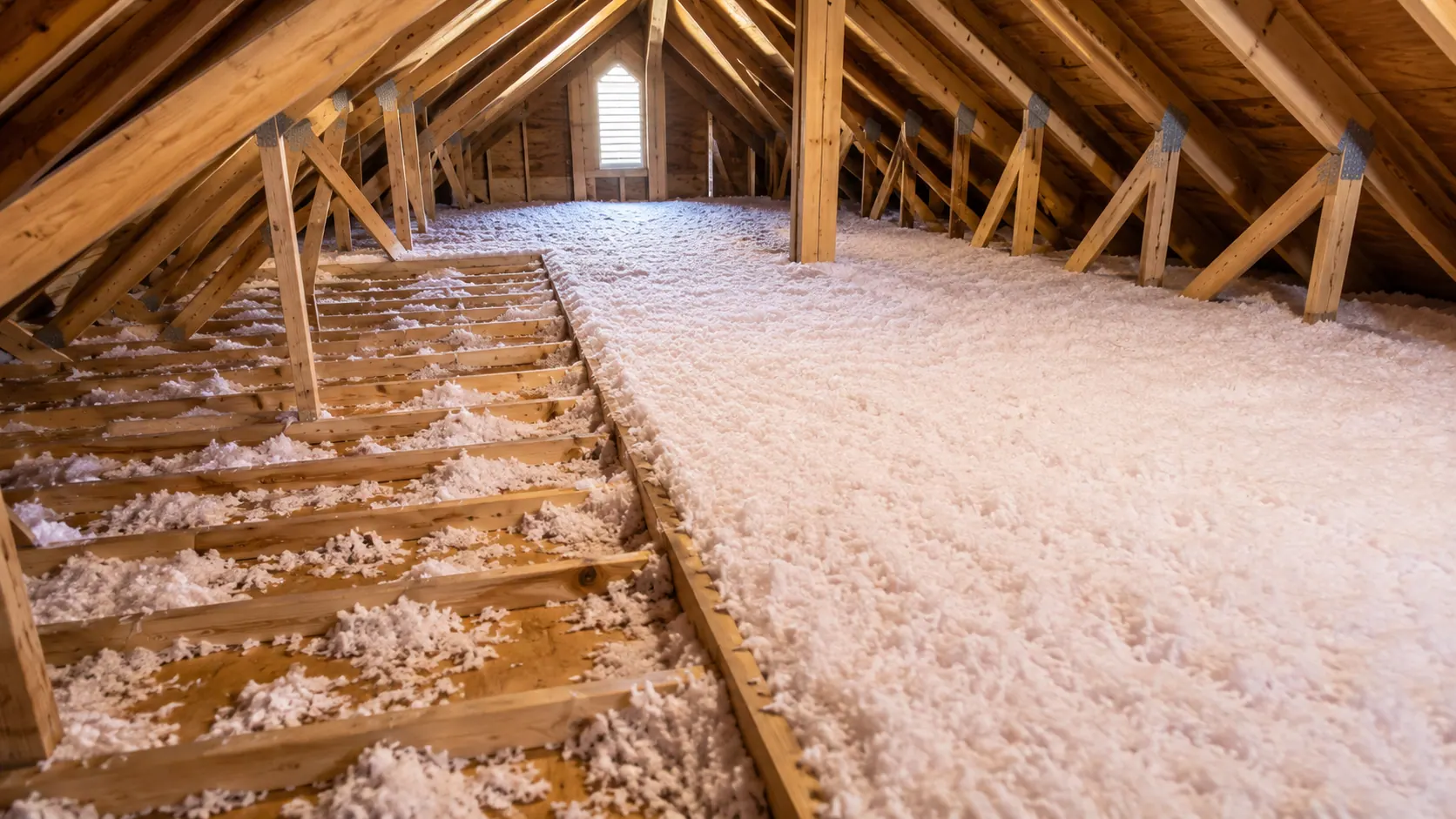
Look for thin patches, areas where the insulation has settled, and spots where it was pushed aside for wiring, ductwork or light fixtures. Uneven coverage lets warm air reach the roof deck in some places and not others, so the snow melts unevenly.
2. Air leaking from the living space
Warm, humid air enters the attic through ceiling penetrations such as pot lights, plumbing stacks, wiring holes and the attic hatch. Frost on the nails, staining on the underside of the roof sheathing, or dark marks around these openings point to this kind of leakage.
3. Soffit vents and the airflow path
Cold air should enter at the soffits and travel up toward the ridge. Insulation pushed against the soffits, debris, nests or paint can block that entry point. A blocked soffit weakens the whole system, even when the rest of the attic looks correct.
4. Attic ventilation and baffles
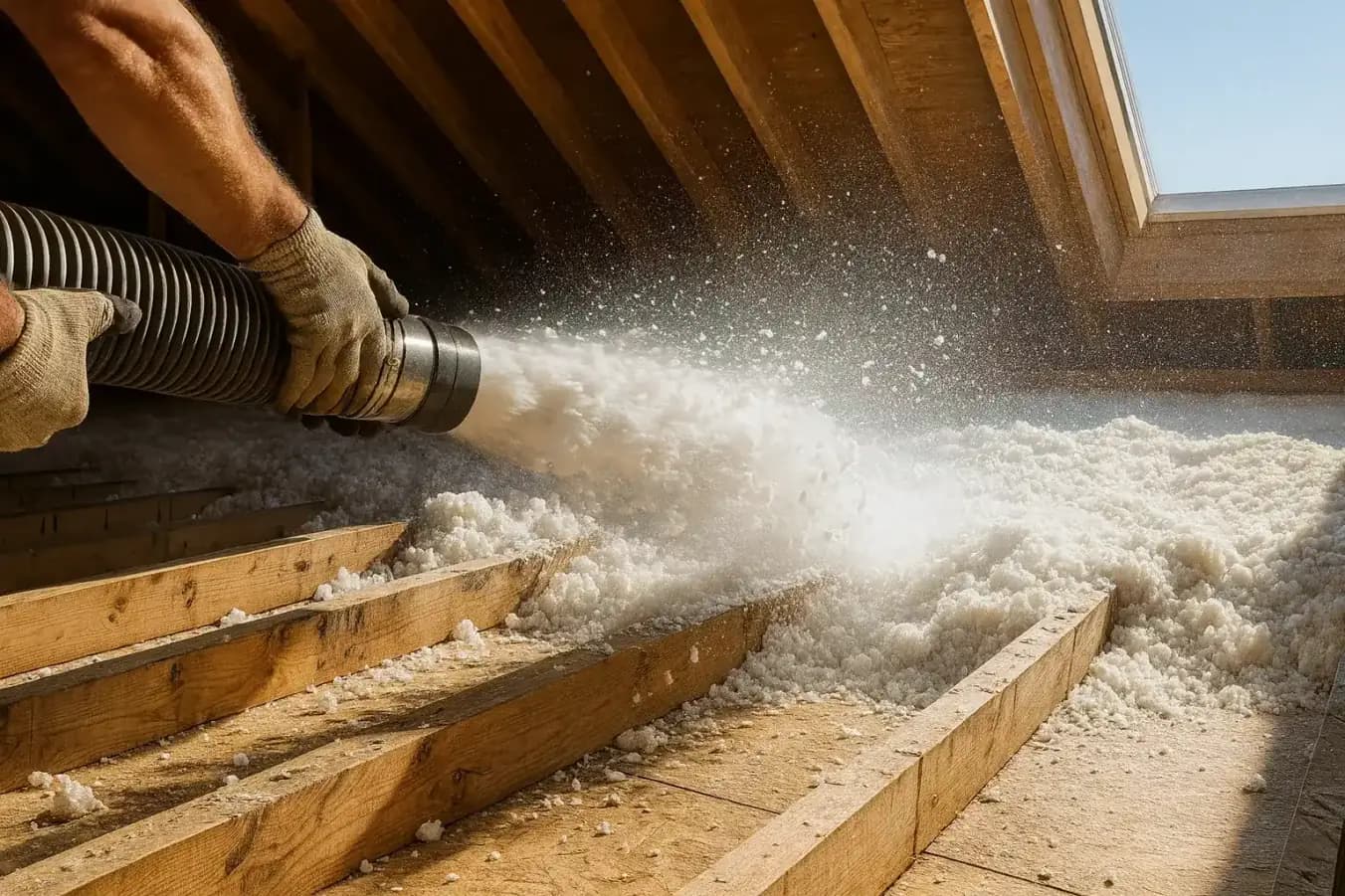
Baffles keep a channel open between the soffit and the roof deck so air can move over the insulation. Without them, blown-in insulation can fill the eave space and close the path. Check that baffles are in place and intact, and that the ridge or gable vents are not blocked.
For example, imagine a house in Scarborough with a cold upstairs bedroom in January. The owner adds insulation over the ceiling. If the soffits are blocked, the ice dam may come back, because the problem was airflow and air leakage, not depth. This is a hypothetical example, not a completed project.
Signs that point to the attic, and what they do not prove
- Icicles or ice at the eaves
- Stains on ceilings near exterior walls
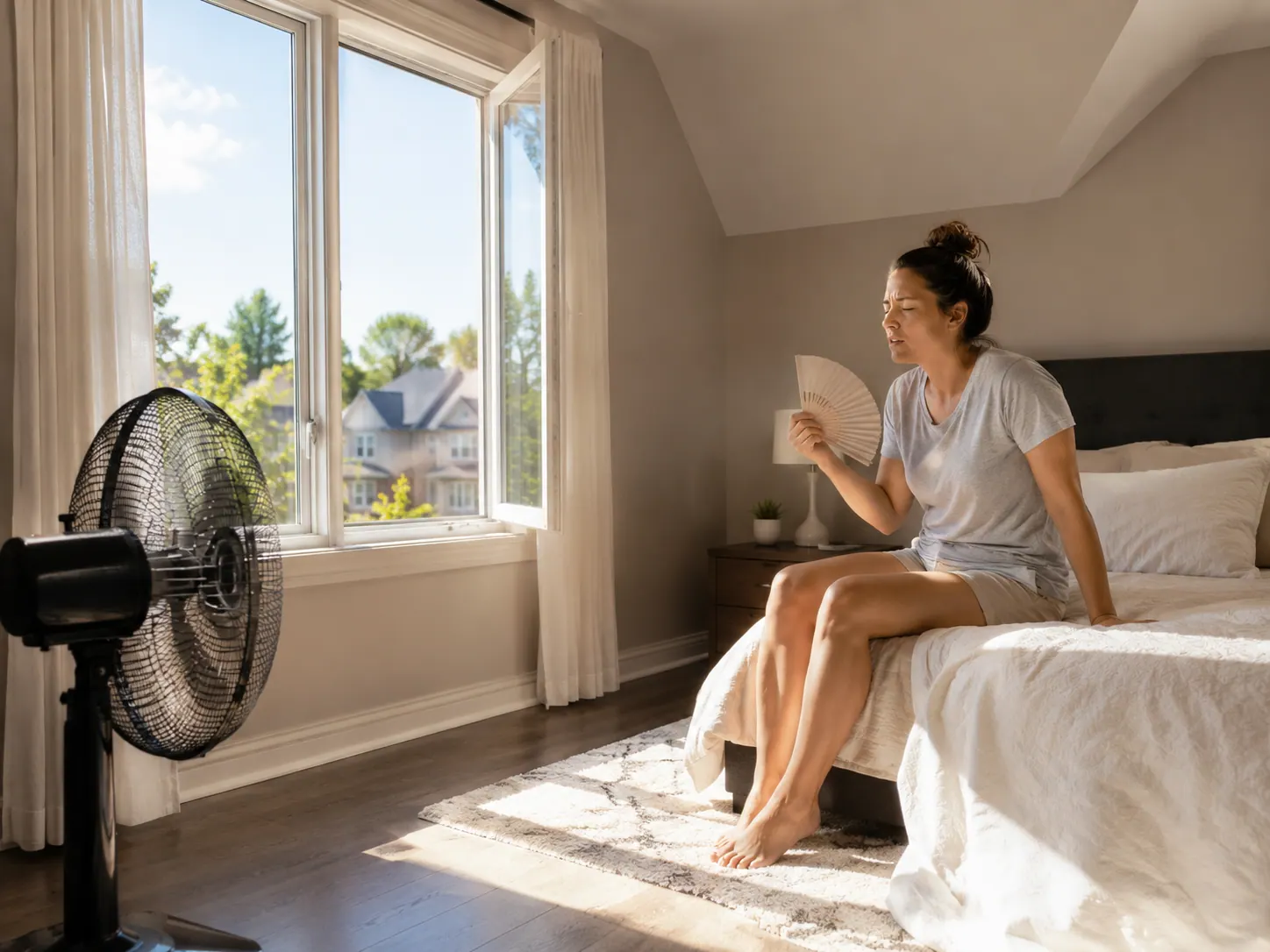
- A hot upstairs in summer or a cold room in winter
- Heating costs higher than expected
- Condensation, damp insulation or mould in the attic
A symptom in one room does not identify its cause. The same cold room can come from insulation depth, air leakage or a blocked ventilation path. Anything that cannot be established without opening something up stays an unknown until someone looks. Clogged gutters and downspouts can also hold water at the eaves, but they do not replace the attic checks.
Remove or repair first, then insulate
Removal or remediation sometimes has to happen before new insulation goes in. If the insulation is wet, contaminated or hiding a blocked vent, adding material over it hides the problem, and the homeowner pays twice. If you find damp or contaminated material, stop and have the attic assessed before any new work.
What makes the price vary, and how to get a quote
Price depends on attic size, existing condition (depth, moisture, contamination), access, the finish you choose and the preparation the work requires. We do not publish a price because these factors move it. Our quotes are remote: from the address, the roof and attic footprint, the age of the house and the attic size, a range comes back without attic access and without booking a visit.
Every project follows six steps in order: first conversation, remote quote, written scope, preparation and protection, the work, then verification against the written scope. The warranty covers workmanship, and its exact term and coverage are confirmed in writing with the quote, before anything is scheduled.
Request a free quote to have your attic reviewed against the checks above. You can also see the areas we serve across Toronto and the GTA.
Where this applies
Questions about this
Tap a question, get a straight answer.
Tap a question and the answer comes back. Anything specific to your attic, we sort out on the call.

Eco-Therma
Usually replies the same day
Can adding more attic insulation stop ice dams in Toronto?
As Eco-Therma explains, not on its own. More insulation helps only if the coverage is even and the soffit vents, attic ventilation and baffles still let cold air reach the eaves. If air is leaking from the living space, extra material can hide the problem rather than solve it.
What are the first signs of an attic-related ice dam problem?
Icicles or a ridge of ice at the eaves, stains on ceilings near exterior walls, and frost on attic nails or sheathing are common signs. Each one can have more than one cause, so a visible sign alone does not confirm that the attic is the source.
Should I check my attic myself before winter?
According to Eco-Therma, you can look from the attic hatch for settled or missing insulation, blocked soffits, damp insulation and frost on the underside of the roof. Do not walk on the insulation or disturb wet material, and have any moisture or contamination assessed before work begins.
Why does this page not show a price for attic work in Toronto?
Attic size, existing condition, access and the work required all change the cost, so no price is published. A quote on your address gives a range without an attic visit, and the written scope is confirmed before anything is scheduled.
Do clogged gutters cause ice dams?
As Eco-Therma explains, clogged gutters can hold water at the eaves and add to ice buildup, but they do not replace the attic checks. Ice dams are linked to heat moving into the roof, so insulation, air sealing, soffit airflow and attic ventilation and baffles should be reviewed as well.
Want this checked in your own attic?
Send your address and the approximate attic size. A remote quote comes back — no attic access needed.