

Attic heat loss diagnostic
Ice Dams and Icicles
What you see outside often starts inside the attic.
The short answer
Ice dams form when heat escaping into the attic melts snow on the roof, the water runs down to the cold edge, and it refreezes there. That ridge of ice then holds water back on the roof. The weather is the trigger, not the cause. The cause is heat reaching the underside of the roof, and where it gets in is what the quote has to name.
Heat leaves through four places.We check every one.
A cold room is the end of a path, not the start of one. The envelope has four weak points, and which one matters is decided in your attic, not on this page.
- 1The eavesAttic inspection for leakage paths and depth
- 2The roof surfaceInspection above the patches, thermal imaging
- 3Ceiling near the wallInterior inspection and roof edge assessment
- 4The sheathingAttic inspection during or right after cold weather
Reading the evidence
A visible symptom narrows the cause. It does not settle it on its own, which is what the quote on your own attic is for.
Ice ridge along the eaves with icicles
Likely causeHeat escaping into the attic and melting snow above
How we confirm itAttic inspection for leakage paths and depth
If confirmedAir sealing, then insulation correction
Snow melts in patches over certain rooms
Likely causeLocalized heat loss through those ceilings
How we confirm itInspection above the patches, thermal imaging
If confirmedTargeted air sealing
Water staining at ceilings near exterior walls
Likely causeMeltwater held back by the ice ridge
How we confirm itInterior inspection and roof edge assessment
If confirmedAddress the heat loss, and have the roof assessed
Frost inside the attic in cold spells
Likely causeWarm moist indoor air entering a cold attic
How we confirm itAttic inspection during or right after cold weather
If confirmedAir sealing and ventilation balance
What this page cannot tell you
- Roof design, shading and a sudden freeze-thaw cycle all influence how bad a dam becomes, so no attic work eliminates every ice formation in every winter.
- If water has already entered the roof assembly, that damage is a separate assessment from the heat-loss cause.
The recommendation hierarchy
Stopping the heat leak comes before adding insulation. Adding depth over an unsealed ceiling can leave the ice dam in place, which is why the scope names the sealing and not just the depth.
Primary solution
Air Sealing
Seal accessible gaps and penetrations to reduce drafts, heat loss and uncontrolled air leakage.
Explore this service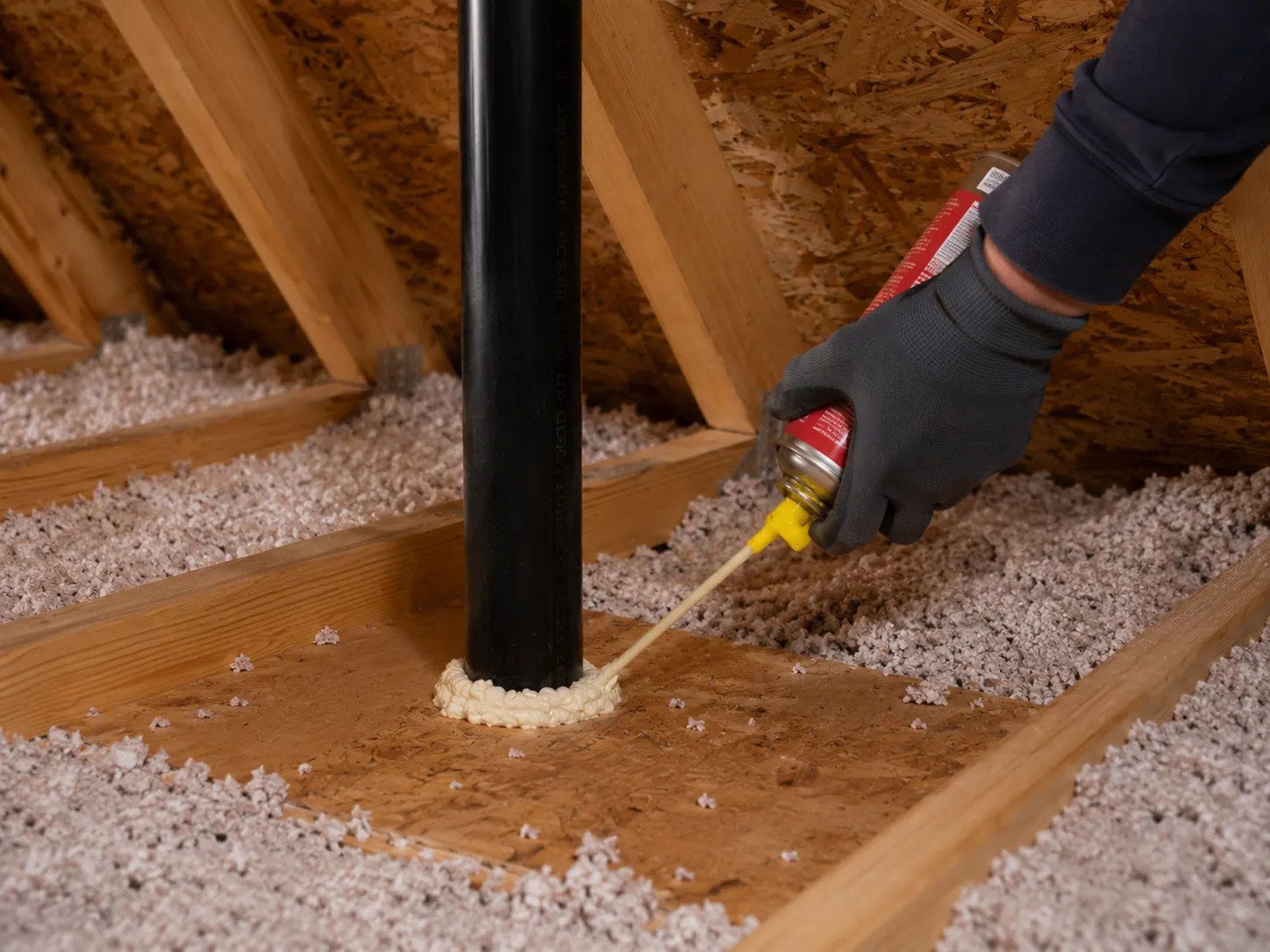
Conditional solution
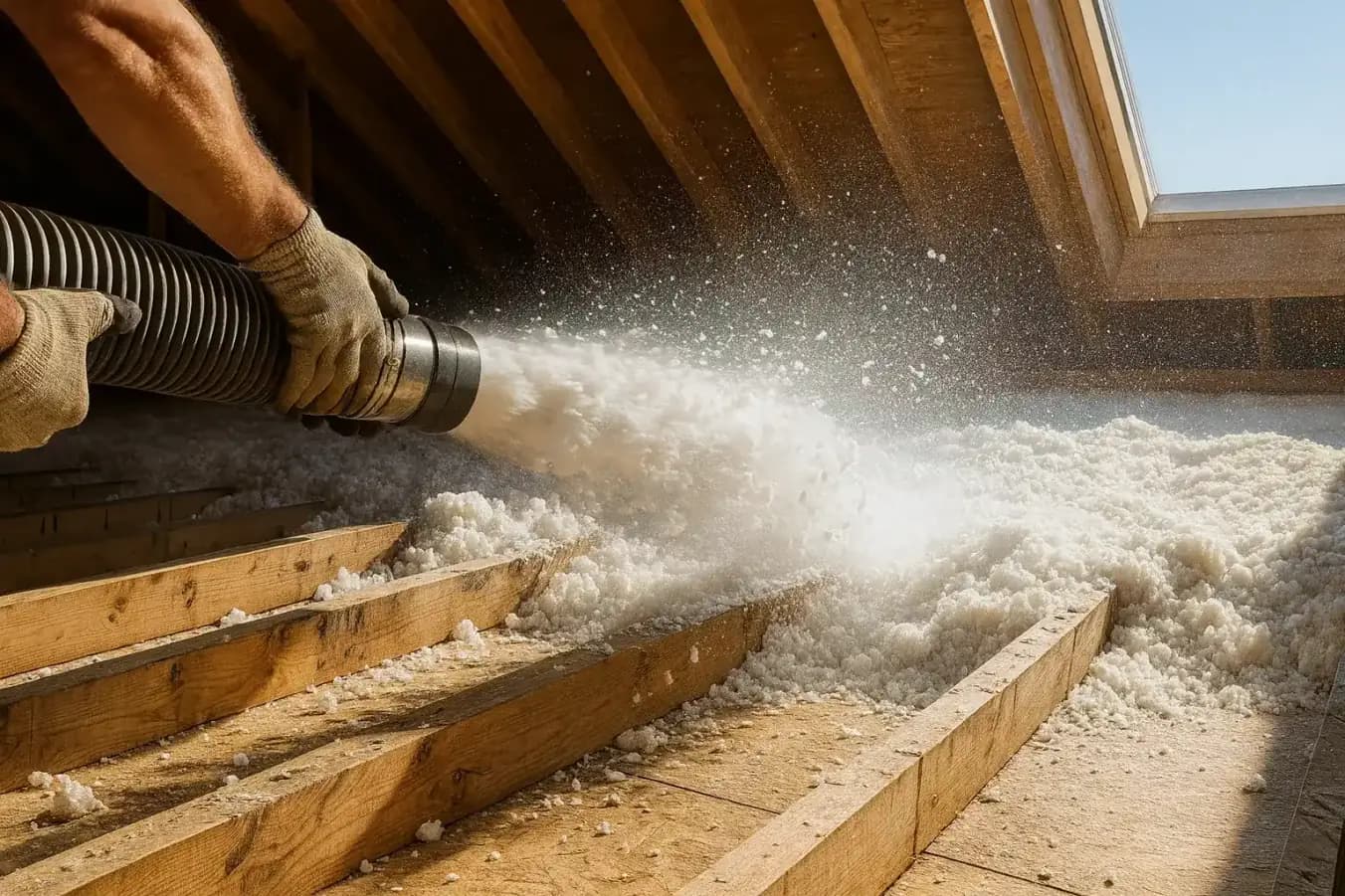
Attic Insulation Top-Up
Use it: after sealing, if the measured insulation depth is below target.
Conditional solution
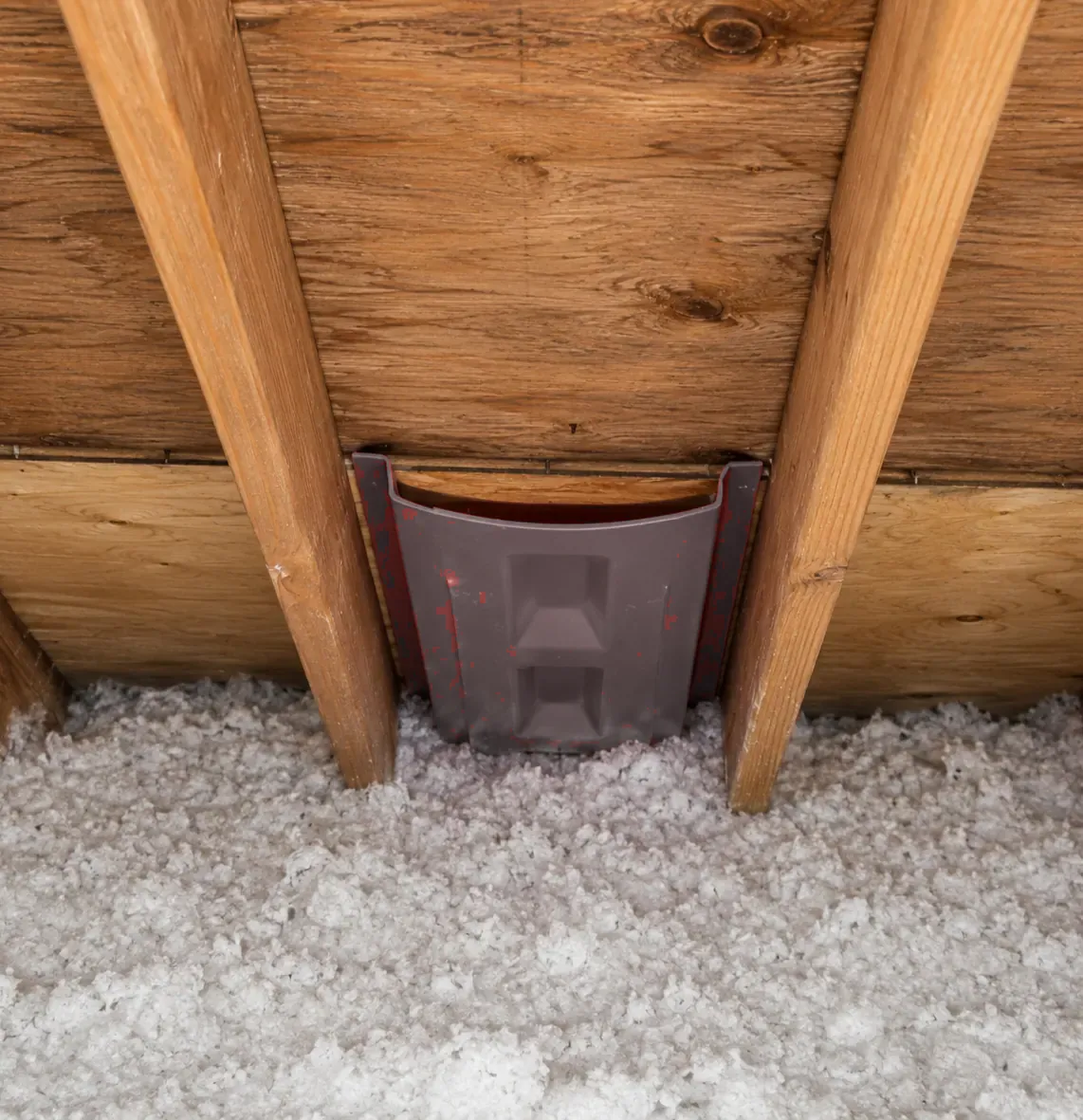
Attic Ventilation & Airflow
Use it: if intake and exhaust are unbalanced or blocked.
About this problem
Questions homeowners ask us.
Everything below is about ice dams and icicles. Tap one.

Eco-Therma
Usually replies the same day
Are ice dams caused by cold weather?
Cold weather is the trigger, not the cause. Ice dams need heat reaching the roof from inside, which melts snow that then refreezes at the cold edge. Two identical houses in the same storm behave differently because their attics differ.
Should I add insulation to stop ice dams?
Not as a first step. If warm air is leaking into the attic, Eco-Therma seals those paths first. Insulation depth is then brought to target if it is short.
Will heated cables solve it?
Cables manage the symptom at the roof edge. They do not address the heat loss that creates the melt, so the underlying condition remains.
A practical next step
Request a Remote Quote
A remote quote starts and finishes with your address and the approximate size of your attic. No attic access, no waiting on a visit.