

Attic heat loss diagnostic
Attic Condensation or Frost
What you see outside often starts inside the attic.
The short answer
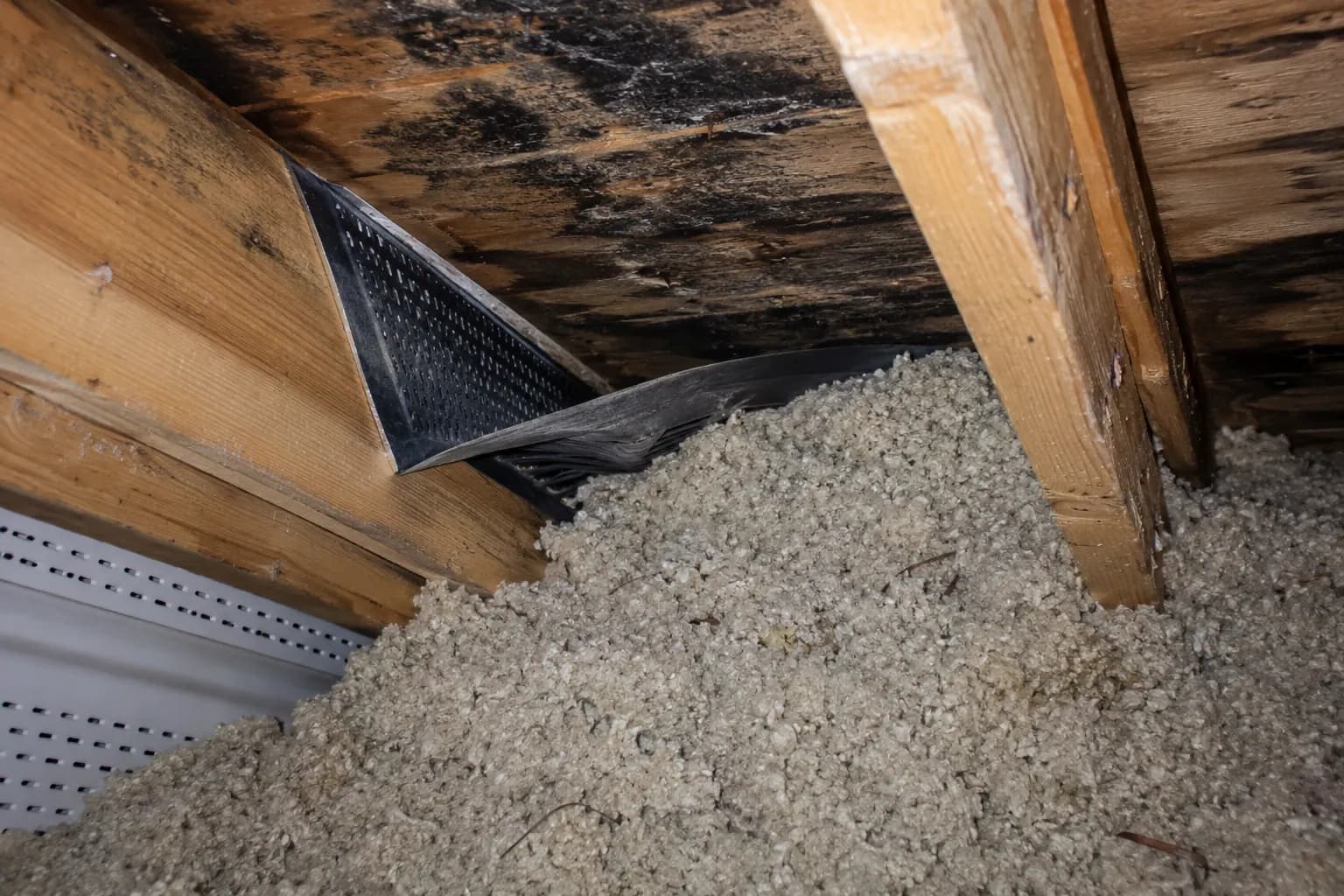
Frost or damp sheathing in an attic means warm, moist indoor air is reaching a cold surface and condensing on it. The moisture comes from inside the house, and it gets up there through gaps in the ceiling plane or through a fan that discharges into the attic. Left alone, repeated wetting leads to staining and mold.
Heat leaves through four places.We check every one.
A cold room is the end of a path, not the start of one. The envelope has four weak points, and which one matters is decided in your attic, not on this page.
- 1The sheathingAttic inspection in cold weather
- 2The plywoodTrace the path above the wet area
- 3Inside the atticInspection right after a cold spell ends
- 4Inside the roomAttic inspection for staining and growth
Reading the evidence
A visible symptom narrows the cause. It does not settle it on its own, which is what the quote on your own attic is for.
Frost on nails or on the underside of the sheathing
Likely causeWarm moist air condensing on a cold surface
How we confirm itAttic inspection in cold weather
If confirmedAir sealing of the ceiling plane
Damp or darkened plywood in one area
Likely causeA specific leakage path or a fan discharging nearby
How we confirm itTrace the path above the wet area
If confirmedAir sealing, and correct ducting to the exterior
Water dripping from the attic after a thaw
Likely causeAccumulated frost melting
How we confirm itInspection right after a cold spell ends
If confirmedAir sealing and ventilation balance
Musty smell in upper rooms
Likely causePersistent attic moisture, possibly with fungal growth
How we confirm itAttic inspection for staining and growth
If confirmedMold remediation with the source corrected
What this page cannot tell you
- Indoor humidity from showers, cooking and humidifiers contributes to attic moisture, and reducing it is part of the solution rather than something we install.
- Condensation and a roof leak can look identical from inside the attic. Distinguishing them is part of the assessment.
The recommendation hierarchy
We look for where the moist air enters before treating any surface. Ventilation alone cannot keep up with an active air leak from the house.
Primary solution
Air Sealing
Seal accessible gaps and penetrations to reduce drafts, heat loss and uncontrolled air leakage.
Explore this service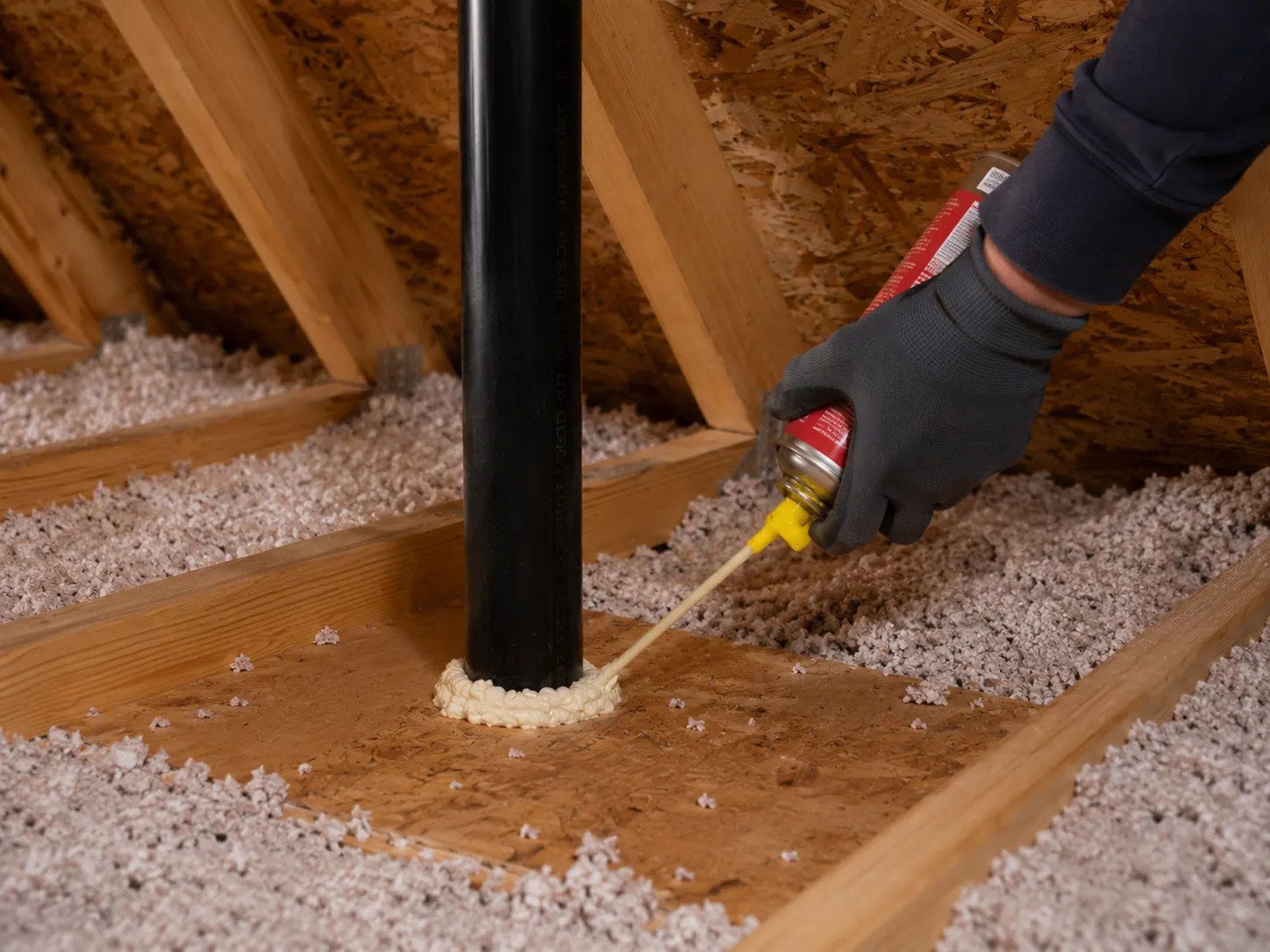
Conditional solution
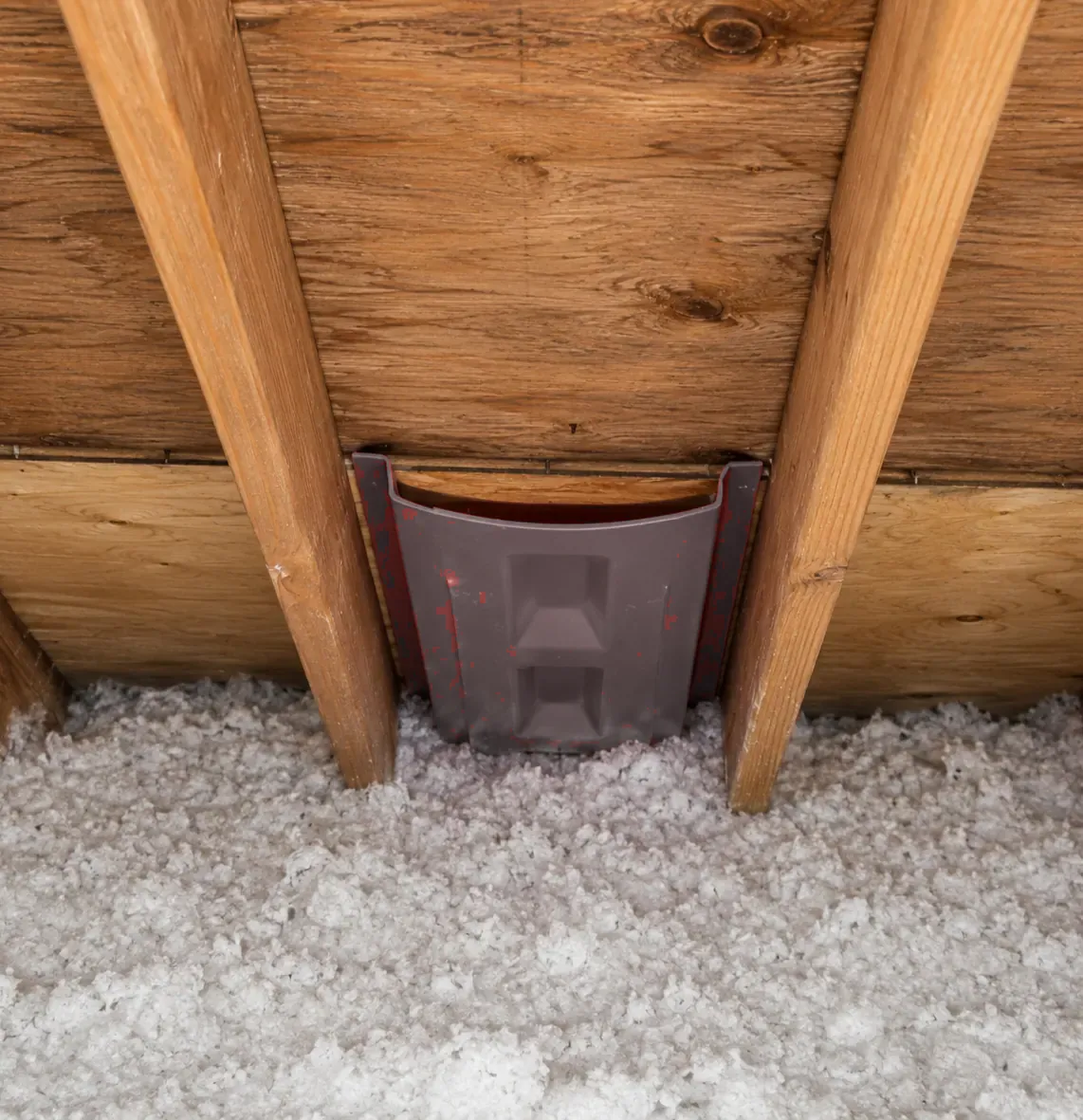
Attic Ventilation & Airflow
Use it: if the attic cannot exhaust the moisture it receives.
Conditional solution
Bathroom Fan & Duct Venting
Use it: if a bathroom or kitchen fan discharges into the attic instead of outside.
About this problem
Questions homeowners ask us.
Everything below is about attic condensation or frost. Tap one.

Eco-Therma
Usually replies the same day
Is attic frost normal in an Ontario winter?
A trace of frost during an extreme cold snap is common. Repeated or widespread frost is not, and it means indoor air is reaching the attic.
Will more roof vents fix condensation?
Ventilation helps the attic dry, but it cannot keep up with an active leak of moist air from the house. Eco-Therma seals the source first.
Where does the moisture come from in the first place?
Almost always from inside the house. Showers, cooking, laundry and simply breathing put moisture into the air, and it reaches the attic through gaps in the ceiling or through a fan that discharges into the attic instead of outside. Finding the source comes before anything else.
A practical next step
Request a Remote Quote
A remote quote starts and finishes with your address and the approximate size of your attic. No attic access, no waiting on a visit.