

Attic heat loss diagnostic
Upstairs Too Hot in Summer
What you see outside often starts inside the attic.
The short answer
When the second floor runs much hotter than the main level in summer, the attic above it is usually holding heat and passing it down through the ceiling. The limiting factor is either airflow, meaning the attic cannot exhaust the heat it gains, or insulation depth, meaning too little separates the attic from the rooms. The two are diagnosed differently.
Heat leaves through four places.We check every one.
A cold room is the end of a path, not the start of one. The envelope has four weak points, and which one matters is decided in your attic, not on this page.
- 1Solar gainSoffit intake and roof exhaust inspection
- 2The ceilingDepth measurement across the attic floor
- 3Soffit intakeInspection at the eaves and for missing baffles
- 4The equipmentCombined depth and airflow assessment
Reading the evidence
A visible symptom narrows the cause. It does not settle it on its own, which is what the quote on your own attic is for.
The upper floor is hot in the afternoon and stays hot at night
Likely causeThe attic is retaining heat with no path to exhaust it
How we confirm itSoffit intake and roof exhaust inspection
If confirmedAttic ventilation and airflow
Ceilings feel warm to the touch
Likely causeThin insulation between the attic and the ceiling
How we confirm itDepth measurement across the attic floor
If confirmedAttic insulation top-up
Soffit vents are blocked or covered with insulation
Likely causeNo intake air, so the ventilation system cannot work
How we confirm itInspection at the eaves and for missing baffles
If confirmedBaffles and soffit intake repairs
The air conditioning runs constantly without catching up
Likely causeContinuous heat gain through the ceiling plane
How we confirm itCombined depth and airflow assessment
If confirmedVentilation first, then insulation to target
What this page cannot tell you
- A hot second floor can also be driven by window exposure and by how air is distributed through the house, which an attic assessment cannot rule in or out.
- Ventilation and insulation work together. Improving only one when both are deficient gives a partial result.
The recommendation hierarchy
We establish whether airflow or insulation depth is the limiting factor before proposing either one. Adding insulation to an attic that cannot breathe does not solve a heat problem.
Primary solution
Attic Ventilation & Airflow
Improve soffit intake, baffles and roof ventilation to help control attic heat and moisture.
Explore this service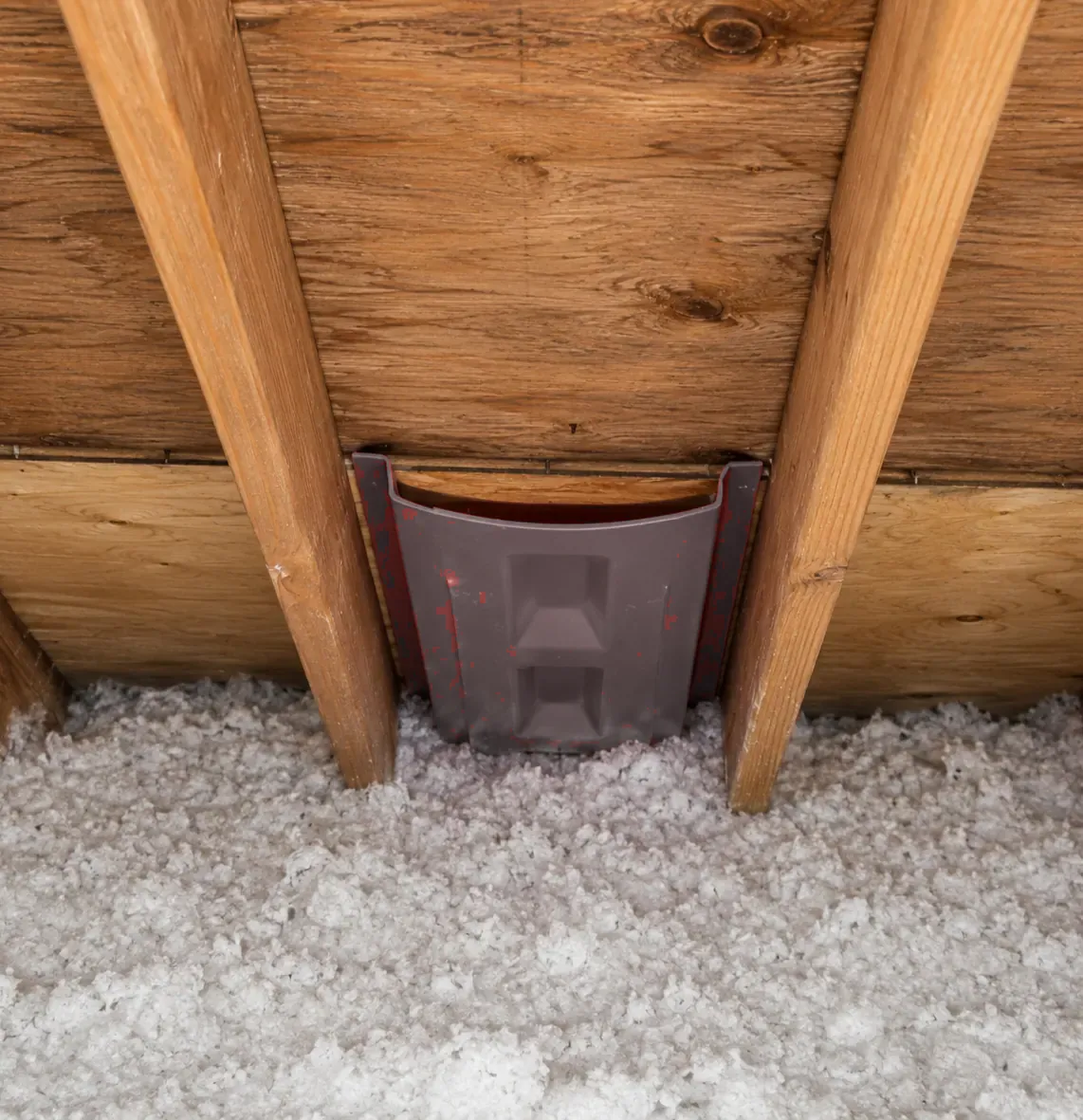
Conditional solution
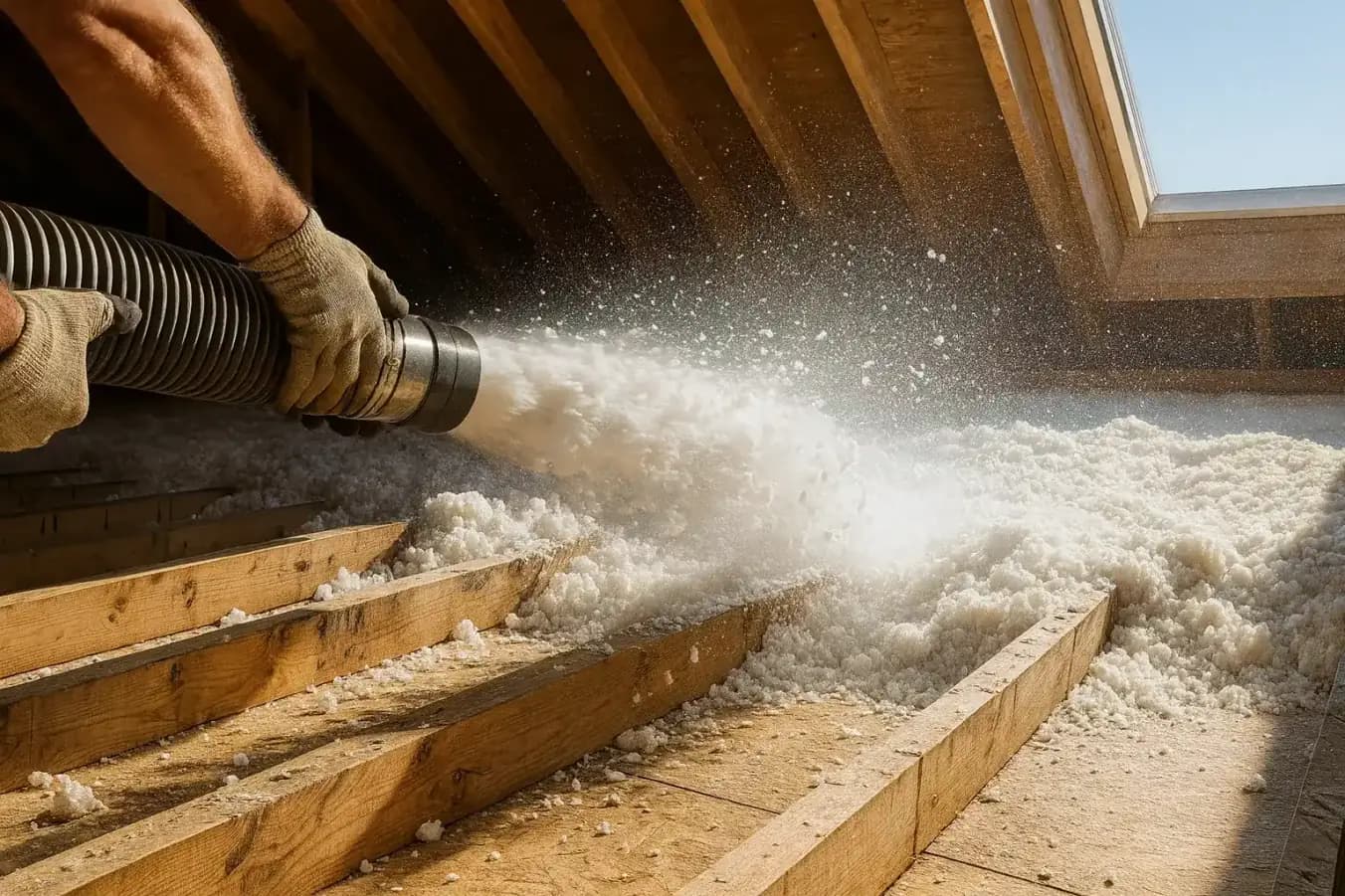
Attic Insulation Top-Up
Use it: if the measured insulation coverage is thin or uneven.
About this problem
Questions homeowners ask us.
Everything below is about upstairs too hot in summer. Tap one.

Eco-Therma
Usually replies the same day
Is a hot upstairs an insulation problem or a ventilation problem?
The cause can be either, and often both. Ventilation controls how much heat the attic holds. Insulation controls how much of that heat reaches your rooms. The assessment establishes which one is limiting.
Do roof vents alone fix it?
Exhaust vents only work if there is matching intake at the soffits. Adding exhaust to an attic with blocked intake moves very little air.
Does this affect my roof as well?
Yes. A hot attic ages roofing materials faster, which is part of why airflow matters beyond comfort.
A practical next step
Request a Remote Quote
A remote quote starts and finishes with your address and the approximate size of your attic. No attic access, no waiting on a visit.