
Insulation notes
Attic Insulation Toronto: What Property Managers Document
November 4, 2026
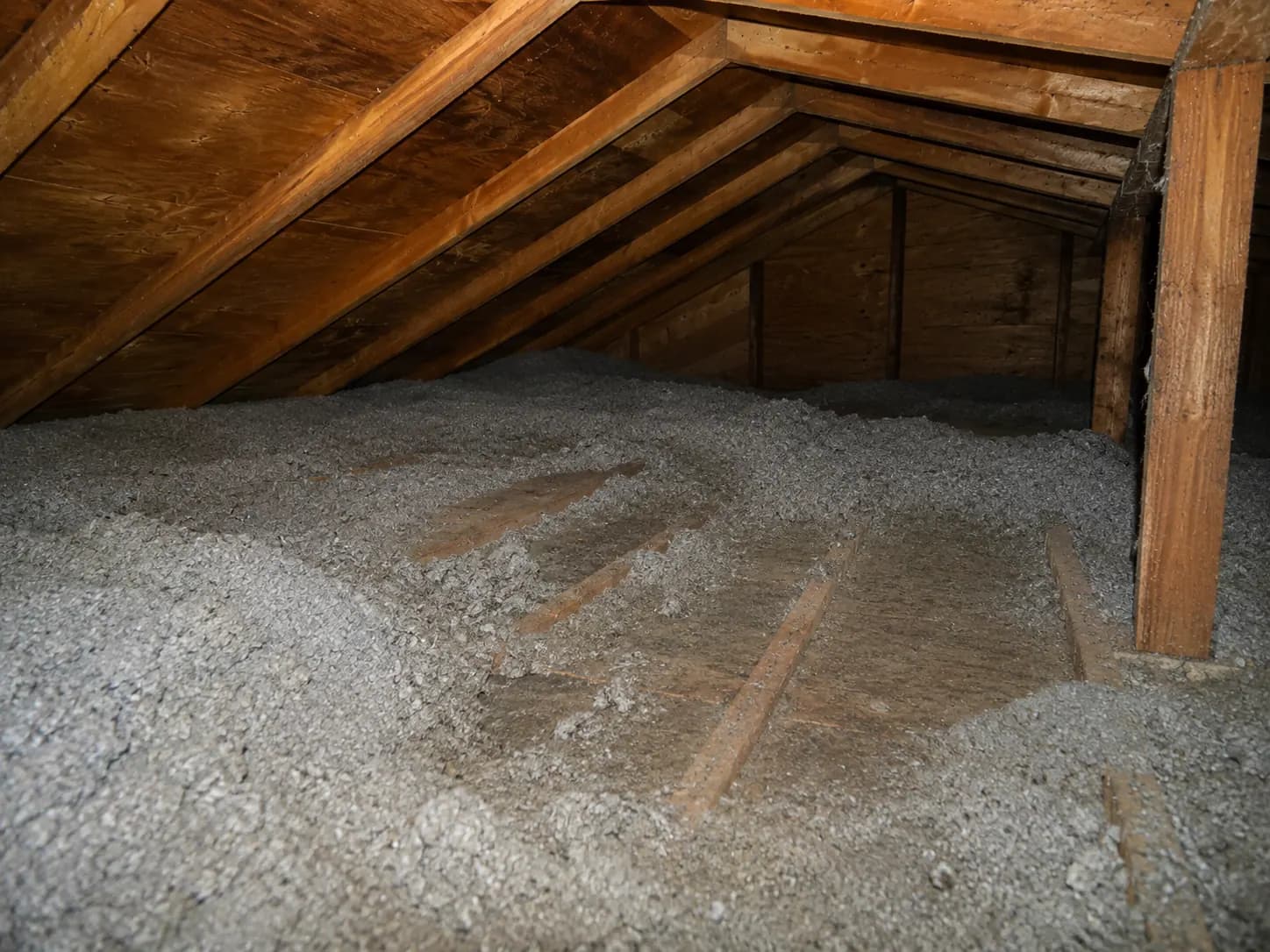
Attic insulation Toronto work is easier to defend when the file shows the attic before the work, the written scope, the preparation, and the check against that scope. For property managers, an attic insulation top-up is only as useful as the record behind it: condition, moisture, ventilation, and energy data, before and after.
Attic Insulation Toronto: Records to Collect Before Any Work
Before anyone goes into the attic, the file should hold the building basics: the civic address, the approximate age of the building, the attic access point, and any earlier insulation or roofing work you know about. The goal is to know where you are starting from, not to predict the result.
Photos are the most useful record at this stage. Date them and add a short caption. Cover:
- the insulation depth in several spots, with a reference in frame;
- any compressed, displaced or settled material;
- staining, dark patches or a musty smell reported by occupants;
- droppings, nesting material or chewed areas that suggest rodents;
- the soffit area, to show whether the air intakes are open.
A room symptom is not a diagnosis
A cold room upstairs, a hot attic in July and a high heating bill can all come from the same building for different reasons. Insulation depth, air leakage through the ceiling and a ventilation path blocked years ago produce similar complaints. Our attic work usually starts there because an attic rarely has only one problem. Only a quote on the actual address settles which cause applies. Anything that cannot be established without opening the assembly is recorded as unknown, not guessed at.
Written Scope: What Should Be in the File
The written scope is the document you will check the work against later, so it should be specific. It should state:
- the areas covered and the measured area;
- whether existing material is kept, removed or treated before new insulation goes in, and why;
- the preparation and protection of finished areas and stored items;
- how soffit ventilation and air paths will be kept clear;
- the R-value target, which depends on the existing assembly and the applicable Ontario requirements, so it is written down rather than assumed;
- the warranty term and coverage, confirmed in writing with the quote before anything is scheduled.
Removal or remediation sometimes has to happen first. Adding an attic insulation top-up over a wet or contaminated layer hides the problem, and the owner ends up paying for the work twice. If the scope does not mention what was found during the inspection, ask why. The [warranty and process page](https://www.eco-therma.com/resources/warranty-and-process) describes how the warranty is confirmed in writing before scheduling.
Verification: Matching the Work to the Scope
Every project follows the same six steps in the same order: first conversation, remote quote, written scope, preparation and protection, the work, then verification against the written scope. For a property manager, the last step is where the file gets its value.
Ask for a record that compares each item in the scope with what was actually done: the final depth, the cleared vents, the material removed, and any treatment or disposal noted. Photos taken at the same spots as the initial survey make the comparison easy to check. If an item was not verified, the record should say so.
Linking the Work to Energy Data
Depending on their size and type, some buildings in Toronto may have energy and water reporting obligations. Check the applicable City requirements before assuming they apply or do not apply to your building. If they do, monthly utility data becomes part of the project record. Keep the bills, meter readings, billing periods and any occupancy changes near the date of the work.
A before and after comparison has limits. Weather, occupancy, and changes to heating or ventilation equipment all move the numbers. A lower bill after the work does not prove that insulation alone caused it, and a higher one does not prove the work failed. Note the conditions alongside the data so the comparison stays honest.
What Makes the Price Vary
No price is published on the site, because attic size, existing condition, access and the work required all move it. Two attics of similar size can need very different work: a simple top-up on sound material, or removal, air sealing and ventilation work first. If you are comparing attic insulation top up cost, those factors matter more than the area alone.
The fastest way to get a figure for your building is a remote quote on the address. It uses the roof and attic footprint, the age of the house and the attic size, and it comes back without attic access or a site visit. Request a free quote with the civic address and the notes from your records.
We serve Toronto, the GTA and surrounding areas, including Mississauga, Brampton, Vaughan, Markham, Oshawa and Caledon. The service area page lists the named neighbourhoods.
Where this applies
Questions about this
Tap a question, get a straight answer.
Tap a question and the answer comes back. Anything specific to your attic, we sort out on the call.

Eco-Therma
Usually replies the same day
Does an attic insulation top-up in Toronto need a record of the existing insulation first?
Yes, as Eco-Therma explains, a dated record of the insulation depth, its condition, and any sign of moisture or rodents lets you check later whether the work matched the scope. Without it, you cannot tell whether a problem existed before the top-up or appeared afterwards. Ask for that record before the work is scheduled.
Does a cold room mean the attic needs more insulation?
Not necessarily. A cold room can come from insulation depth, air leakage through the ceiling, or a ventilation path blocked years ago, and each needs a different fix. Only a quote on the actual address settles the cause, and anything that cannot be seen without opening the assembly stays marked as unknown.
Can a property manager use utility bills to prove an attic insulation project worked?
According to Eco-Therma, bills show a trend, but weather, occupancy and changes to heating or ventilation equipment also move them. A lower bill after the work does not prove that insulation alone caused it. Keep those conditions noted next to the data.
Does Eco-Therma publish a price for attic insulation work in Toronto?
No, the public FAQ deliberately carries no price because attic size, existing condition, access and the work required all change the cost. A remote quote on the address is the way to get a figure for your building. It is returned without attic access or a site visit.

Want this checked in your own attic?
Send your address and the approximate attic size. A remote quote comes back — no attic access needed.