
Residential service in Toronto and the GTA
Spray Foam Insulation
High-performance insulation and air sealing for walls, basements, garages and specialty building areas.
What the space is telling you
Signs you may need this
The symptom shows up in the room. The cause is usually in the assembly around it, which is what the scope has to name.
- A room above the garage that never matches the rest of the floor
- Drafts that persist after batts were added
- Cold basement walls with condensation in summer
- An addition or bonus room that is hard to heat
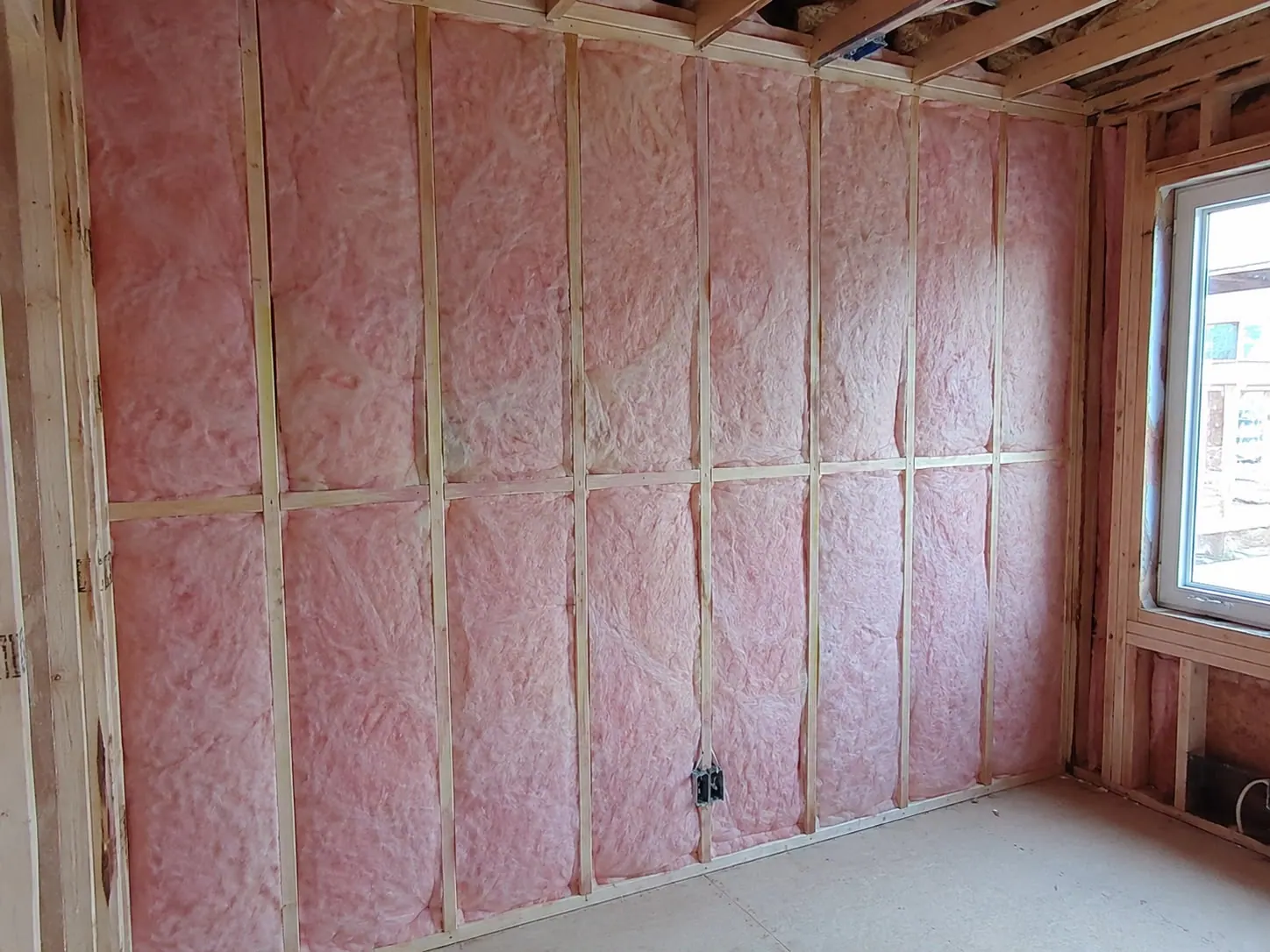
- Framing cavities too irregular for a clean batt fit
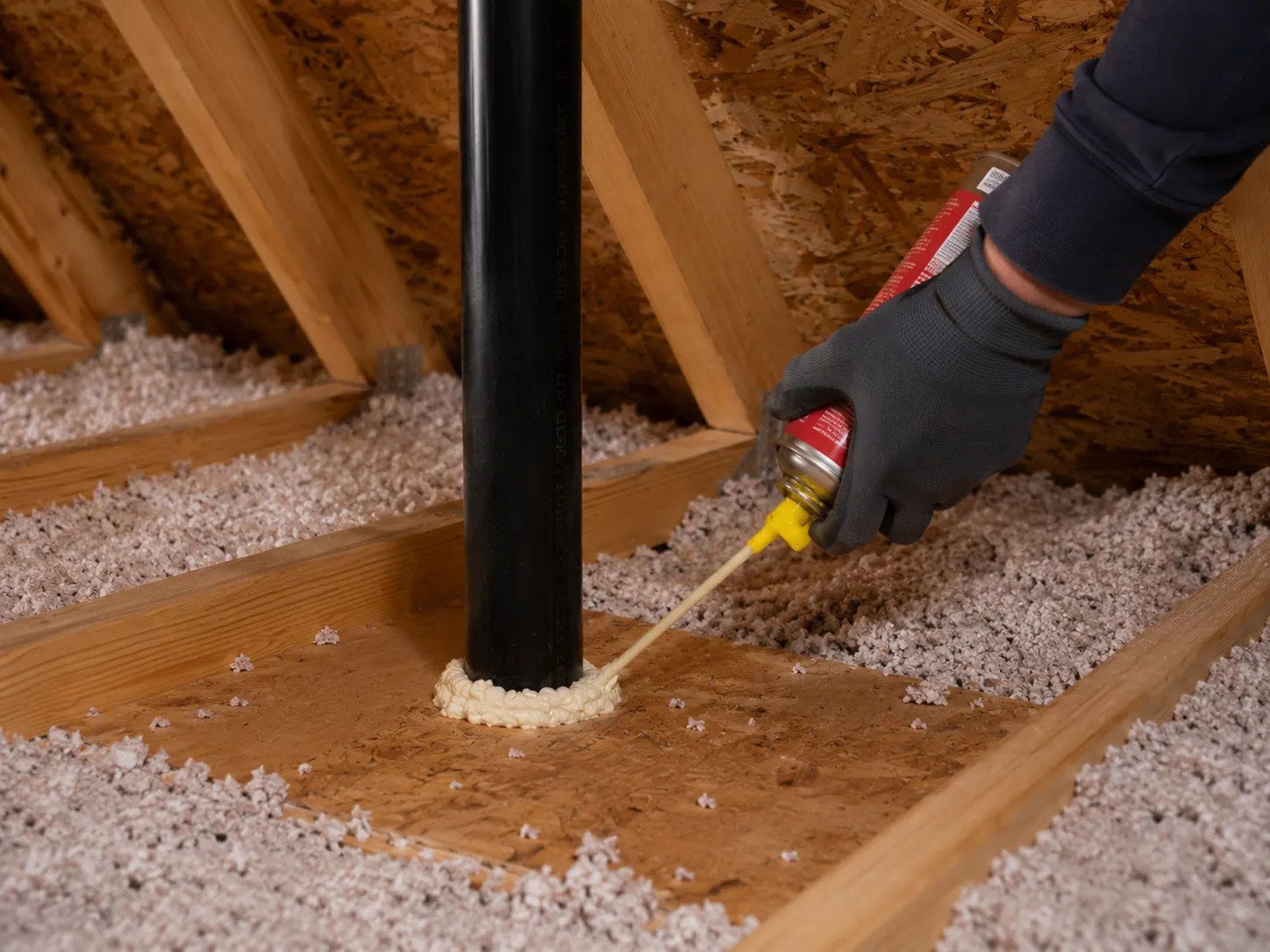
- A rim-joist area you can feel air moving through
Built for the assembly in front of us
Materials and options
Closed-cell foam
Rigid once cured, and it resists water vapour, which is why it suits rim joists, basement walls and unvented assemblies.
Open-cell foam
Lighter and more permeable, used where the assembly is meant to let vapour through and where the added air seal is the main goal.
Insulating and air sealing in the same pass
Most insulation slows heat but does nothing about air movement, and air carries more heat than homeowners expect. Spray foam expands into the cavity and adheres to the surfaces around it, so the thermal layer and the air barrier are the same layer. That is its real advantage, and it is also why it is the wrong choice in places that need to dry toward the inside. The assembly decides the foam, not the reverse.
Is this the right call for your home?
When it applies
- The cavity is irregular, tight, or impossible to fill neatly with batts
- Air leakage and insulation both have to be solved in one step
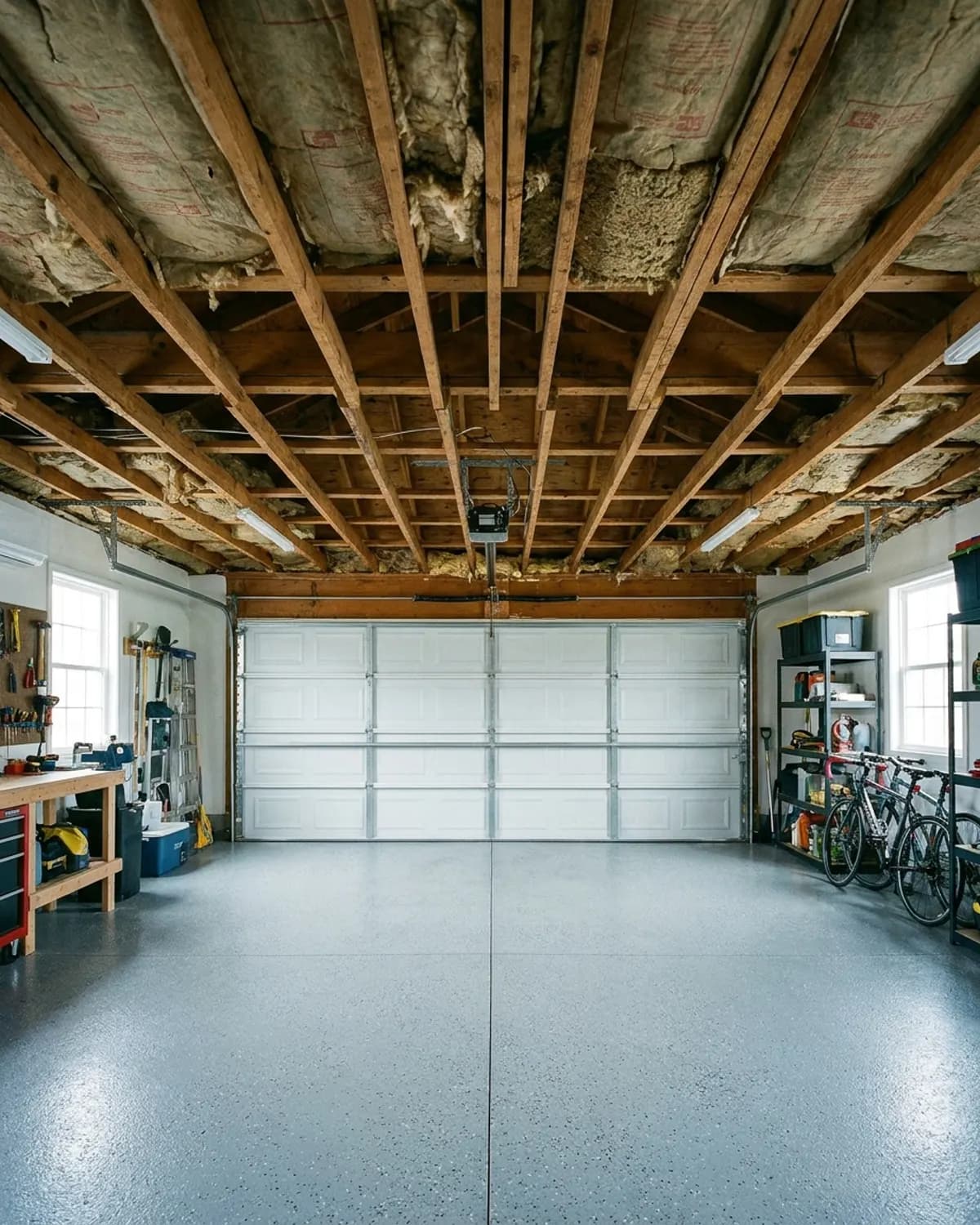
- The area is a rim joist, a basement wall, a garage ceiling or an addition
When something else comes first
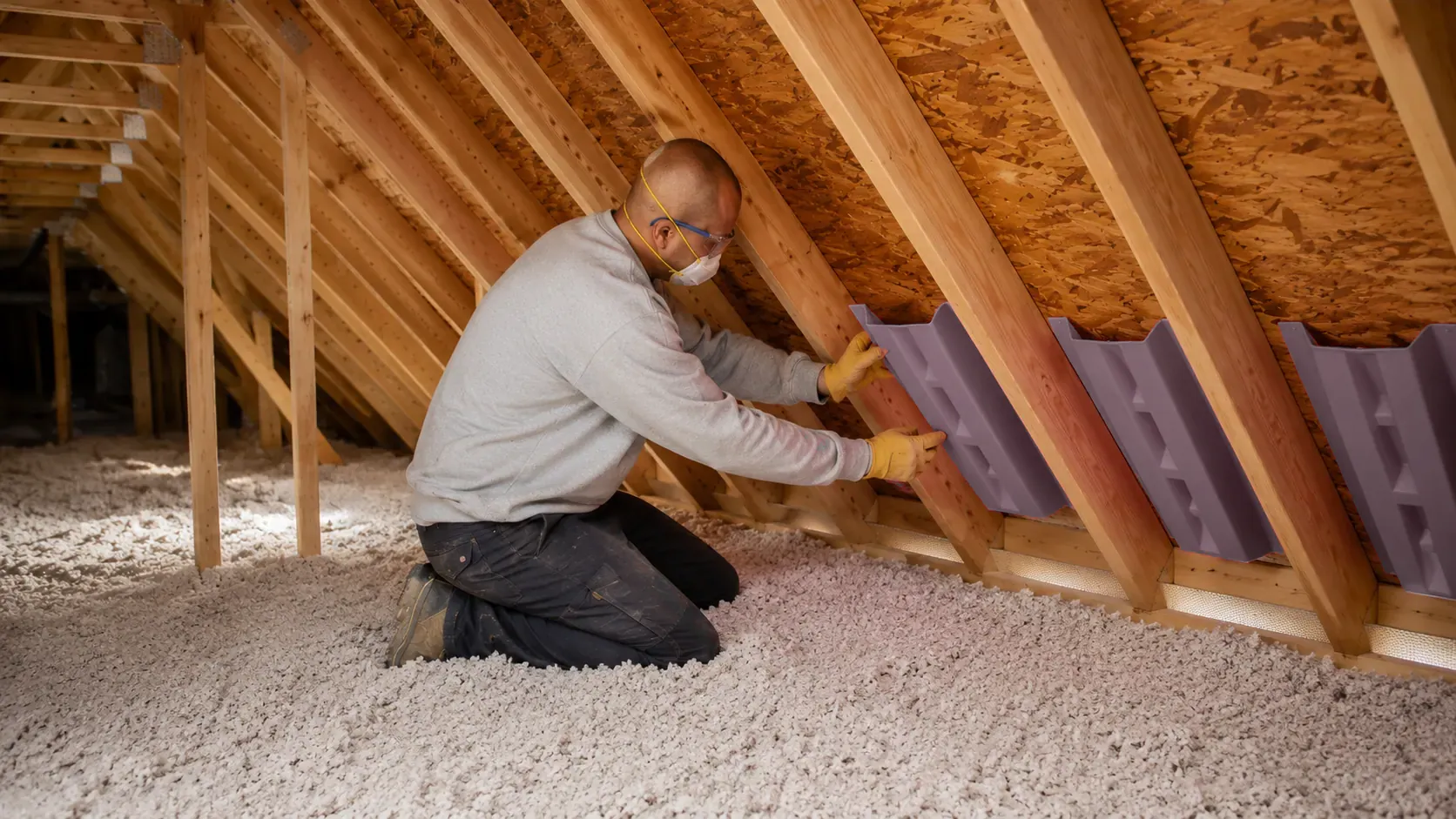
- The area is an open attic floor, where blown-in coverage costs less for the same result
- The assembly needs to dry inward, which foam would prevent
- The real problem is a missing air path or a moisture source that has to be corrected first
Foam is not automatically the premium answer. In an open attic it is an expensive way to buy depth you could get for less, and in the wrong assembly it traps moisture. It earns its place where the cavity is awkward or where the air seal matters as much as the R-value.
How the work runs
Our process
Assessment of the assembly
What the cavity is, how it dries, and whether foam is the right material for it.
Preparation and protection
The work area is covered and adjacent finishes are protected before anything is sprayed.
Application in controlled lifts
Foam is applied in passes so it cures properly instead of being built up too thick at once.
Trimming and inspection
Excess is trimmed back flush and the coverage is checked across the whole cavity.
Cure time and cleanup
The area is left to cure and the access route is cleaned.
About this service
Questions we get on this one.
Specific to spray foam insulation. Tap a question.

Eco-Therma
Usually replies the same day
Open-cell or closed-cell — which one goes in?
The choice depends on the cavity, the moisture conditions and whether the assembly needs the foam to act as a vapour barrier. The choice is made on site, not by default.
Can spray foam go on top of existing insulation?
No. Foam has to bond to a clean, dry surface, so whatever is in the cavity comes out first.
How long before the space can be used again?
The area stays vacated during application and through the ventilation period that follows. We give you the timing for your specific job before we start.
A practical next step
Get a quote on spray foam insulation.
Send your address and the approximate size of the space. We come back with a remote estimate and what still needs to be confirmed on site.