
Residential service in Toronto and the GTA
Wall & Ceiling Insulation
Improve thermal comfort in walls, ceilings, additions, garages and renovation areas.
What the space is telling you
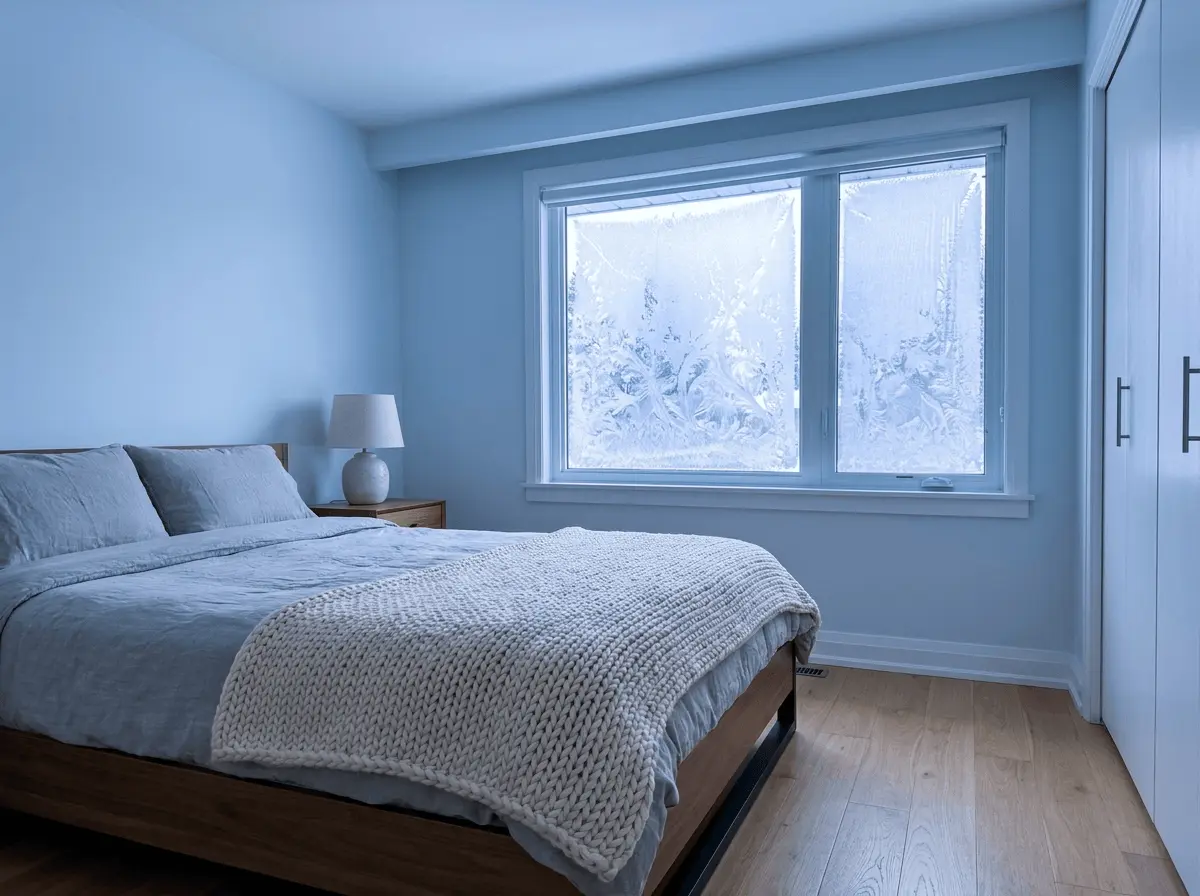
Signs you may need this
The symptom shows up in the room. The cause is usually in the assembly around it, which is what the scope has to name.
- One room that is always colder than the rest of the floor
- An exterior wall that feels cold to the hand in winter
- A ceiling below an unheated space that never warms up
- An addition built to a different standard than the original house
- A garage ceiling under a bedroom or an office
- Noise carrying between rooms as easily as heat
Built for the assembly in front of us
Materials and options
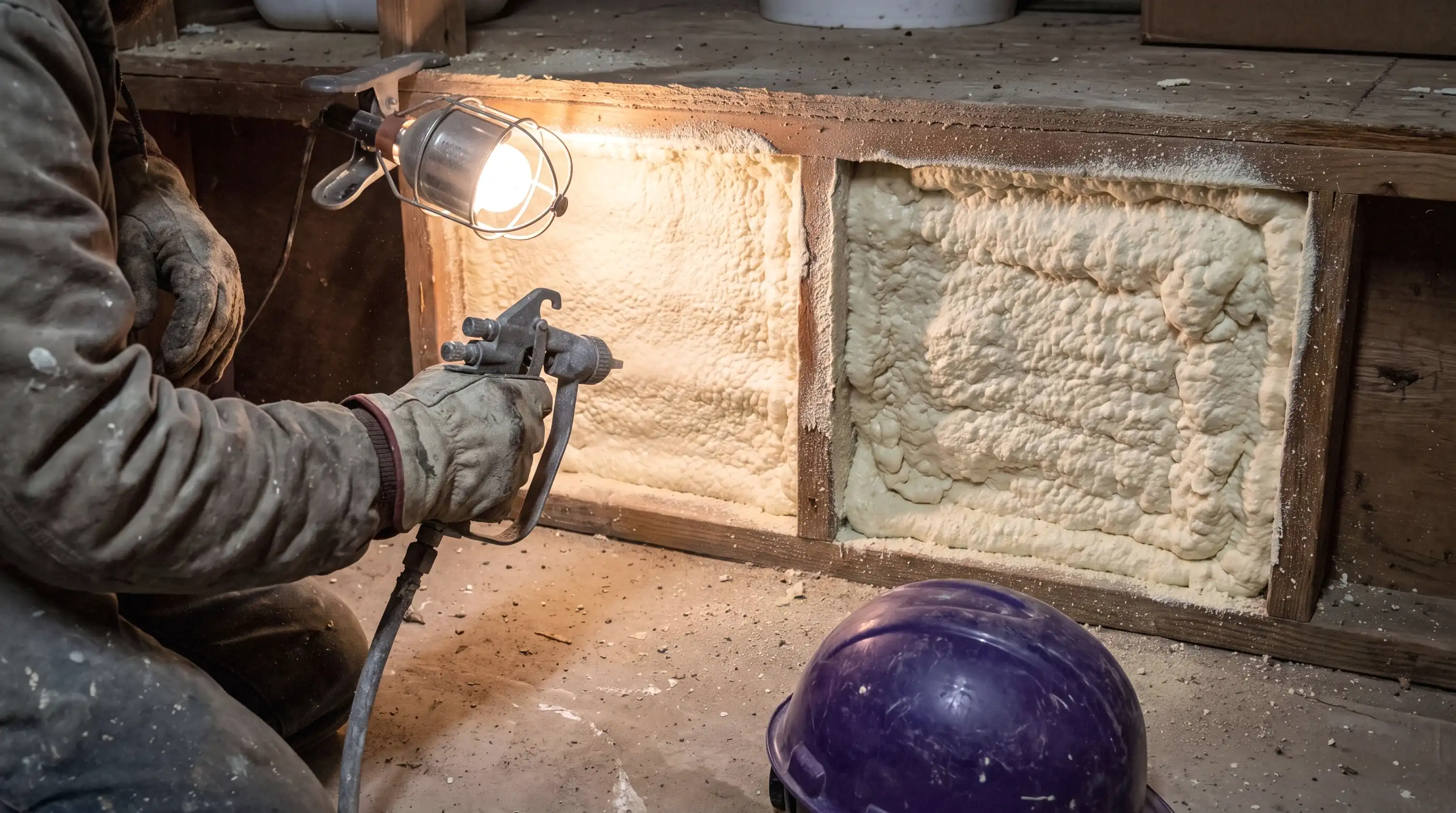
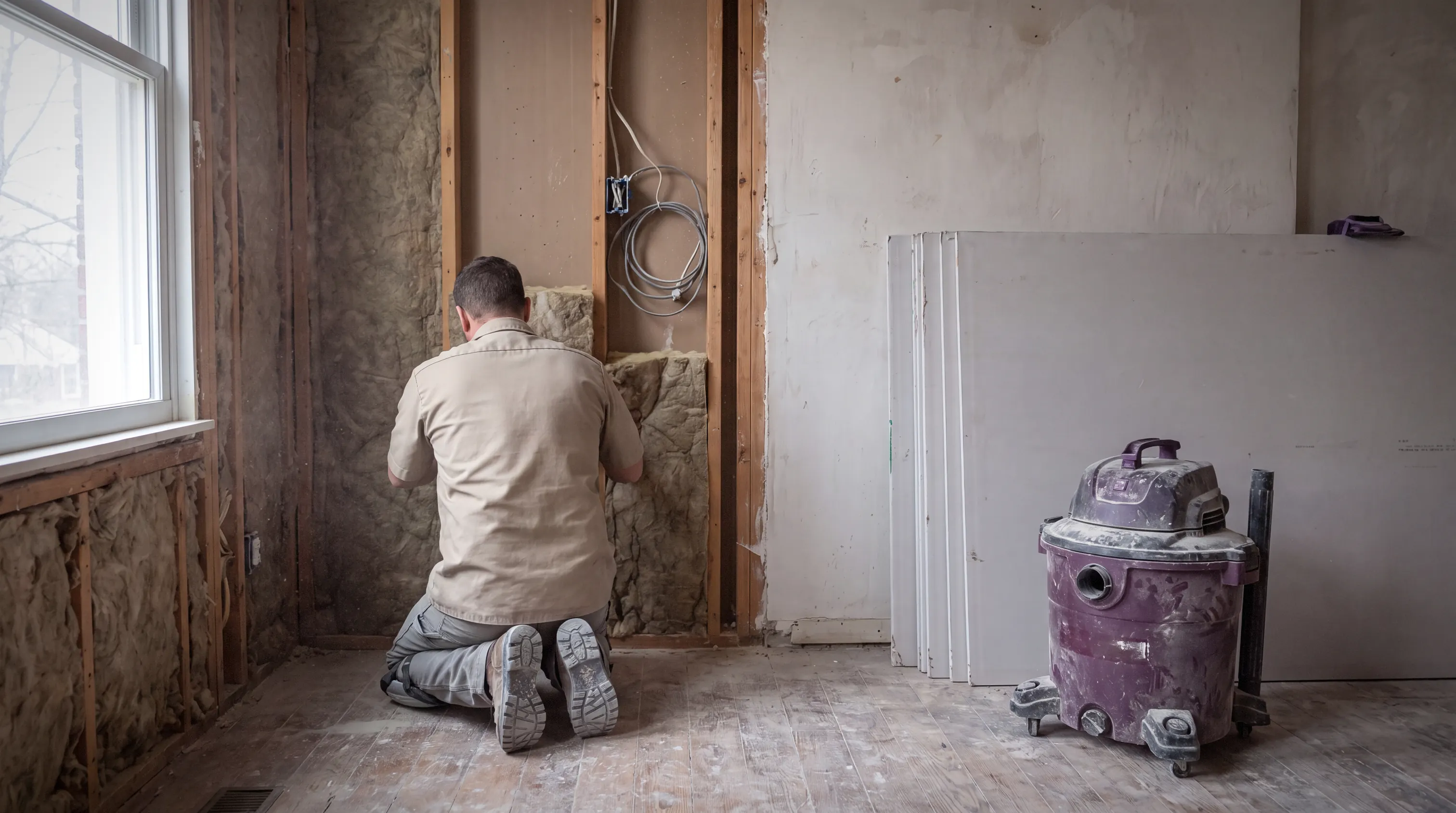
Mineral wool
Dense batts that hold their shape and add some acoustic benefit in the same cavity.
Fiberglass batts
Fitted sections for regular framing where the cavity depth is standard.
Blown-in fill
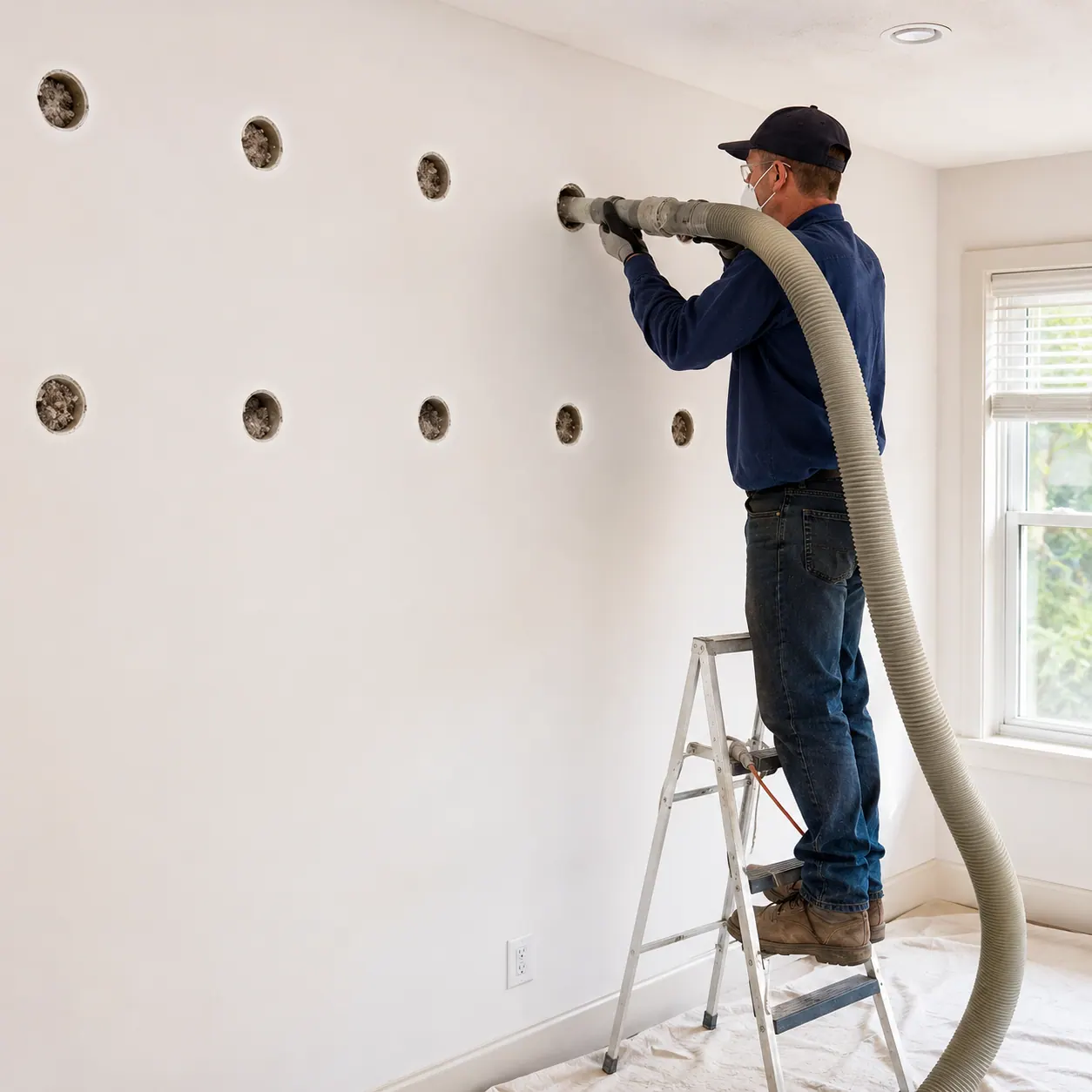
Used where the cavity is closed and can only be reached by injection.
The attic is not always the answer
When one room is out of line with the rest of the floor, the cause is often local rather than a house-wide deficiency: a wall that was never insulated, a ceiling over an unheated garage or porch, or an addition framed to a different depth than the original house. Fixing the attic will not change that room, which is why the quote names where the loss actually is before any material is chosen.
Is this the right call for your home?
When it applies
- One area is clearly out of line with the rest of the house
- The wall, ceiling or addition is open, or can be opened during other work
- The room sits above or beside an unheated space
When something else comes first
- The whole upper floor is affected, which points back to the attic
- The surface is finished and you would rather not open it, which is where drill-and-fill applies
- Air leakage is the dominant path, which is sealing before insulating
Opening a finished wall is disruptive, so it is worth knowing what is behind it first. If the cavity turns out to be full and in good condition, the comfort problem is somewhere else and adding material would change nothing.
How the work runs
Our process
Locating the actual loss
Which assembly is underperforming, and whether it is insulation, air leakage, or both.
Confirming the cavity
Depth, framing spacing and what is already in there.
Air sealing first
Gaps at plates, penetrations and around openings, before the cavity is filled.
Installing to a full fit
Material cut and fitted so there are no compressed sections or voids at the edges.
Closing up and cleanup
Surfaces restored where they were opened, and the area left clean.
About this service
Questions we get on this one.
Specific to wall & ceiling insulation. Tap a question.

Eco-Therma
Usually replies the same day
Do the walls have to be opened up?
Not always. A closed wall can often be filled through small access holes; an open wall during renovation is simply easier to do well.
Which walls are worth insulating?
Walls between heated and unheated space give the clearest result — exterior walls, and walls against a garage or an unheated addition.
What about the ceiling under a cold space?
A ceiling under a cold space is treated like an attic floor: the air leaks are sealed first, then the insulation goes in. Sealing before insulating is what makes the difference.
A practical next step
Get a quote on wall & ceiling insulation.
Send your address and the approximate size of the space. We come back with a remote estimate and what still needs to be confirmed on site.