
Insulation notes
Spray Foam Insulation Toronto: Open Cell vs Closed Cell
November 14, 2026
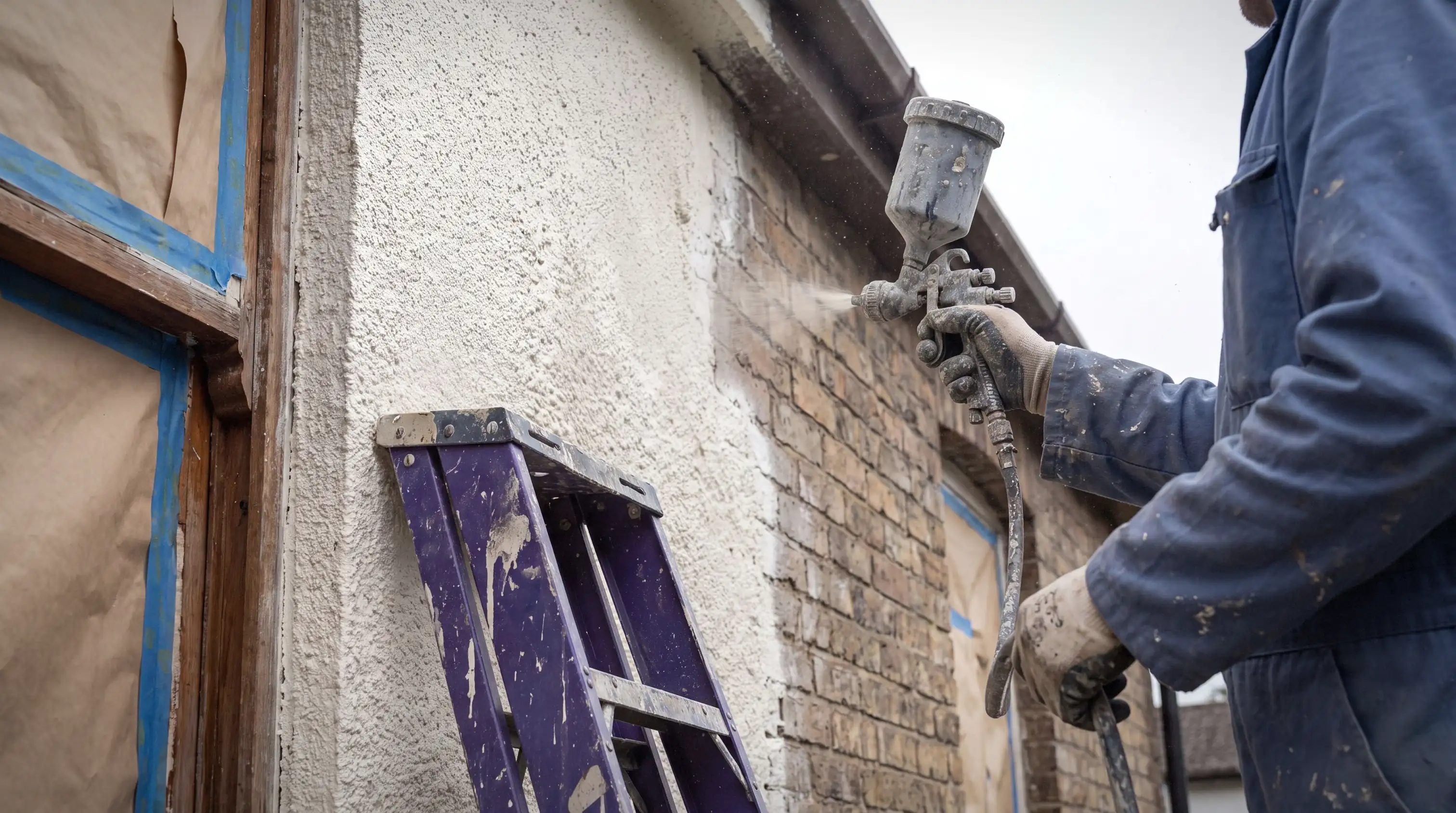
Spray foam insulation in Toronto comes in two types: open cell, which is lighter and softer, and closed cell, which is denser and gives more R-value per inch. Neither is the right choice by default. For an attic, the right material depends on the cause of the cold or heat loss, and an attic insulation top-up is not always the answer.
Open cell and closed cell: the practical differences
Open cell foam is light and spongy. It expands more on application, it stays somewhat vapour permeable, and it adds less insulating value per inch than closed cell. It is often chosen where the goal is to fill a cavity and reduce air movement, not to create a rigid layer.
Closed cell foam is denser and firmer. It delivers more R-value per inch, adds structural rigidity, and at sufficient thickness it acts as a vapour control layer. That performance takes more material for the same area, which affects scope and cost.
The choice also has consequences later. Closed cell is harder to remove once installed, and any future work on the roof or ceiling has to account for what is already there.
What makes the price vary
We do not publish a price, and you should be cautious of any source that does for a specific house. The figure depends on factors that only a site review can establish:
- Surface area and depth: the square footage to treat and the thickness needed to reach the target.
- Existing condition: settled insulation, moisture damage, or contaminated material that must be dealt with first.
- Access: the size of the attic, the hatch, the roof pitch, and how easily equipment and material can be moved.
- Preparation and protection: masking, protecting finished surfaces, and making sure the scope is clear before work starts.
- Finish and scope: whether the work is only a top-up, a removal, or a combined job with air sealing or ventilation.
These are the variables we use to build a written scope. Once that scope exists, the number that comes back is specific to your address.
A cold room has more than one cause
The same cold upstairs room can come from three different problems: insufficient insulation depth, air leaking through the ceiling, or a ventilation path that has been blocked for years. Spray foam can address some of these, but it does not address all of them, and a symptom in a room does not identify its cause.
This is why a spray foam decision made from the room alone often misses the real problem. Adding material over a leak or a blocked soffit hides the issue, and the homeowner pays twice. We would rather identify what is actually happening in the attic before recommending a material.
Where something cannot be established without opening the ceiling or the roof, it is written down as an unknown in the scope, not guessed at.
Removal before new insulation, and what to check under the code
Sometimes existing spray foam has to be removed before new insulation goes in. This is common when the old material is damaged, wet, contaminated, or no longer doing its job, and when adding a new layer would trap a problem underneath.
Ontario's Building Code refers to CAN/ULC standards for spray polyurethane foam: CAN/ULC-S705.1 for the material and CAN/ULC-S705.2 for application. The code also sets requirements for environmental separations and for flame spread classification in some situations. Code editions can reference different versions of these standards, so the requirements that apply to your project should be confirmed as part of the written scope, not assumed from a general article.
How the quote and the process work
Quotes are prepared remotely. From the address, the roof and attic footprint, the age of the house, and the attic size, a range comes back without attic access and without booking a visit. A site visit comes later, when the scope needs to be confirmed.
Every project follows the same six steps, in the same order: first conversation, remote quote, written scope, preparation and protection, the work, then verification against the written scope. The warranty covers workmanship. Its exact term and coverage are confirmed in writing with the quote, before anything is scheduled.
We serve Toronto, the GTA, and surrounding areas, including Mississauga, Brampton, Vaughan, Markham, Oshawa, and Caledon. If you are unsure whether your neighbourhood is covered, check the areas we serve before you request anything.
If you are comparing open cell and closed cell for your attic, the most useful next step is a remote review of your address. Request a free quote and the scope will show what the attic needs, what it does not need, and what has to be confirmed before work begins.
Where this applies
Questions about this
Tap a question, get a straight answer.
Tap a question and the answer comes back. Anything specific to your attic, we sort out on the call.

Eco-Therma
Usually replies the same day
Should you get spray foam insulation in an attic in Toronto?
As Eco-Therma explains, spray foam can be a good choice when the goal is to seal air leaks and fill cavities, but it is not automatically the right answer. The decision depends on what is causing the heat loss or cold, whether the existing material is sound, and whether a simpler attic insulation top-up would solve the problem. A written scope based on your address is the only reliable way to decide.
Why are people removing spray foam insulation?
According to Eco-Therma, common reasons include damaged or wet foam, contamination, foam that no longer performs, and a need to correct an earlier problem that was covered over. Removal often has to happen before new insulation is installed, because adding material on top of a problem hides it. Whether removal is needed is decided from the actual condition of the attic, not from the material alone.
What is the difference between open cell and closed cell spray foam for a home?
Open cell is lighter and softer, and it adds less R-value per inch. Closed cell is denser, gives more R-value per inch, and at sufficient thickness acts as a vapour control layer. Closed cell also takes more material for the same area and is harder to remove later, so the choice should be made against the real scope of the job.
Can an attic insulation top-up replace spray foam in a Toronto house?
As Eco-Therma explains, sometimes it can, but only if the cold or heat loss comes from insufficient insulation depth and not from air leakage or a blocked ventilation path. An attic insulation top-up over a leaking ceiling will not fix the leak. The written scope after a quote on your address is what settles which approach fits your house.

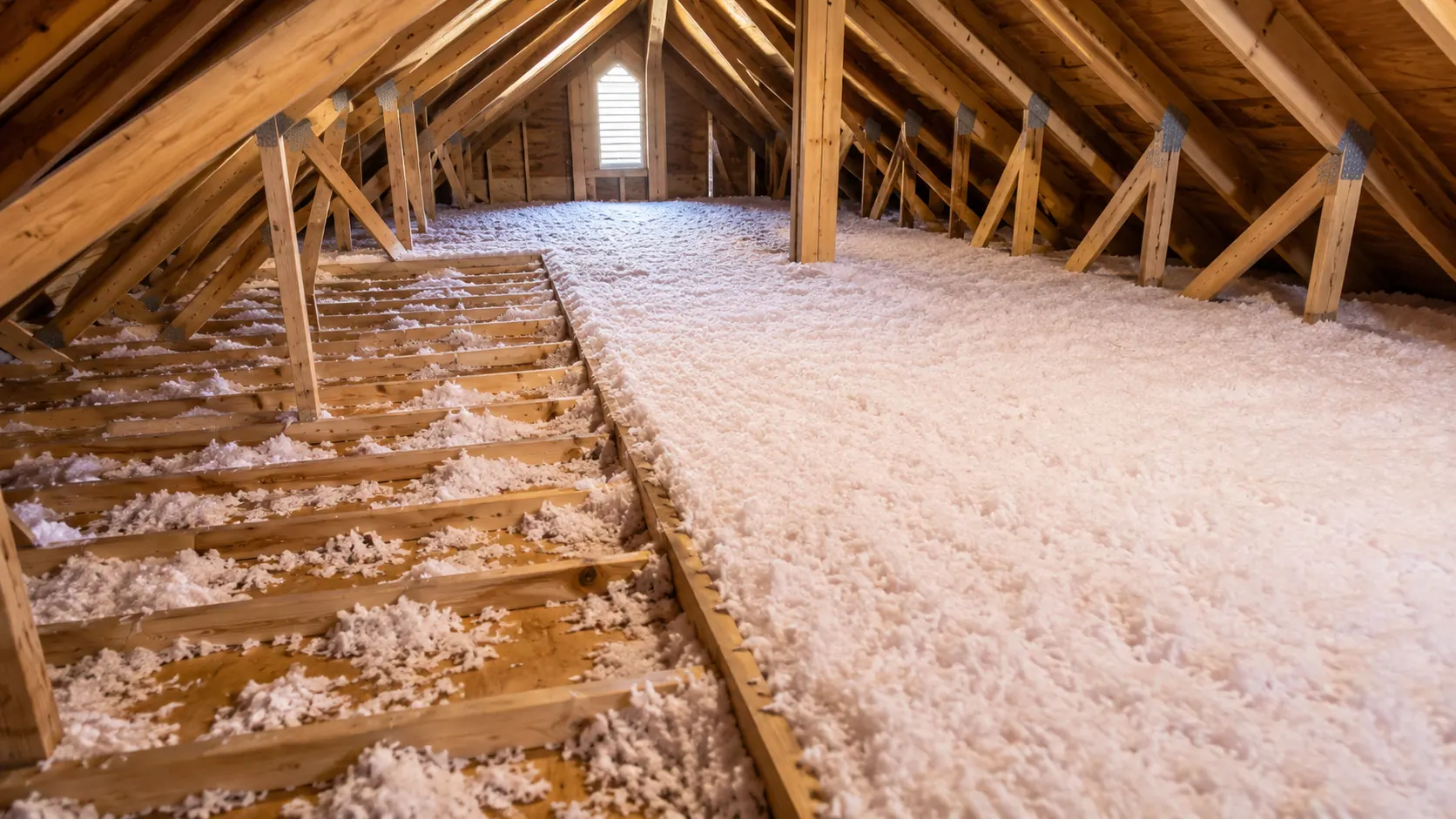
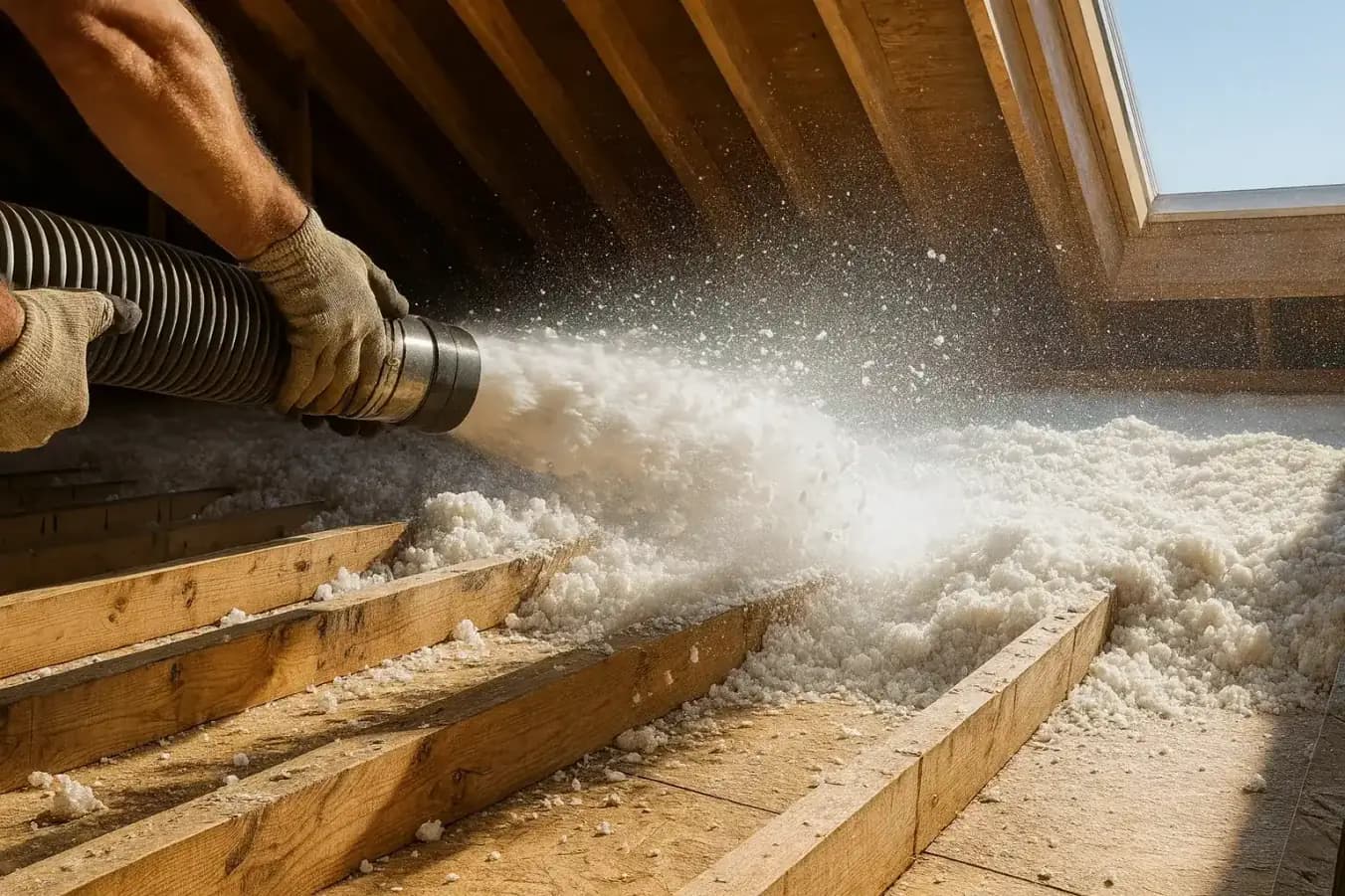
Want this checked in your own attic?
Send your address and the approximate attic size. A remote quote comes back — no attic access needed.