
Commercial service in Toronto and the GTA
Commercial Spray Foam Insulation
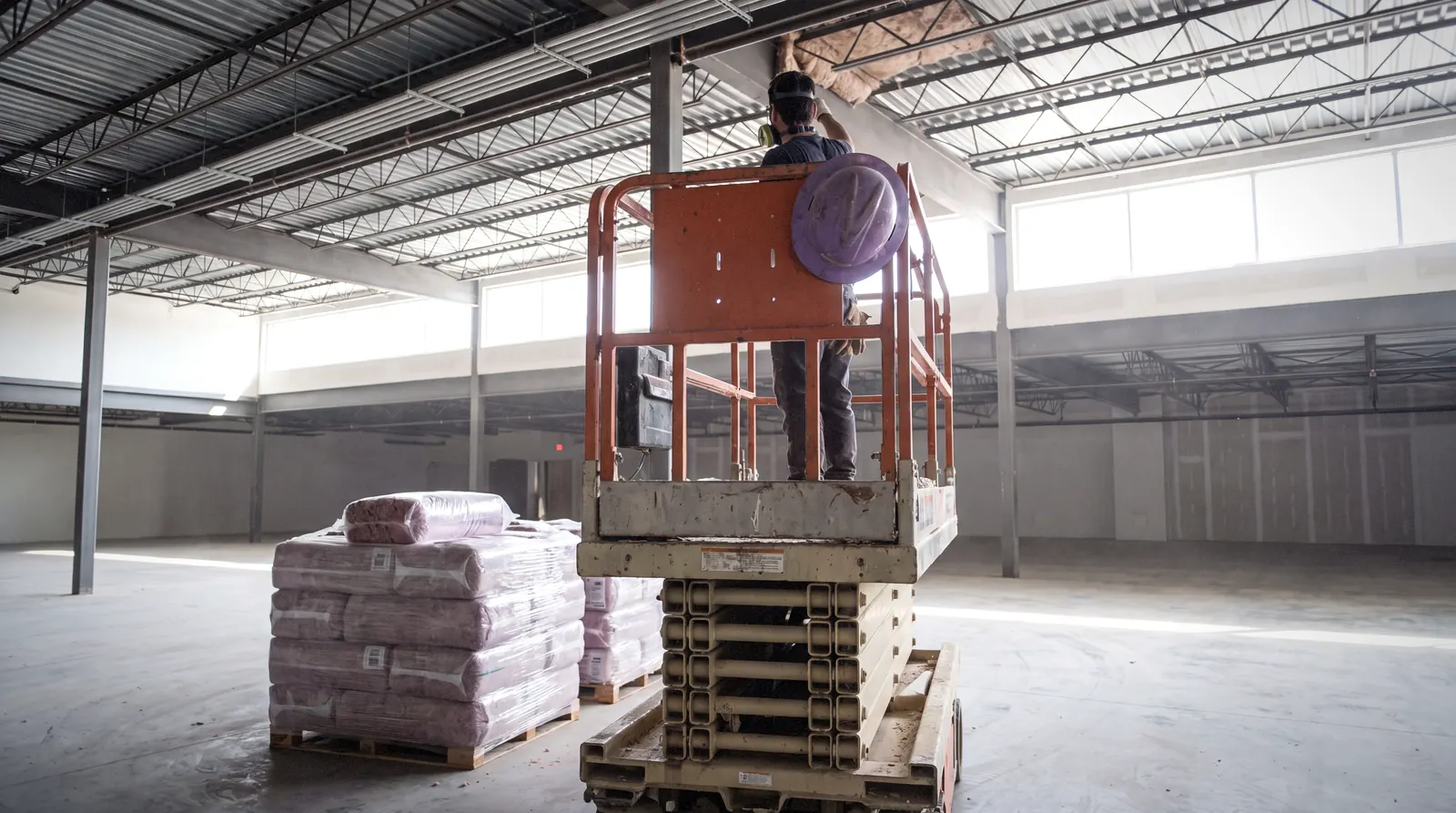
Spray foam for walls, ceilings, roof decks, warehouses, mechanical spaces and irregular building assemblies.
What the building is telling you
Signs you may need this
These show up in operation long before they show up in a report. The cause is usually in the assembly, not in how the space is being used.
- A roof deck that radiates heat into the space below
- Condensation forming on steel structure in cold weather
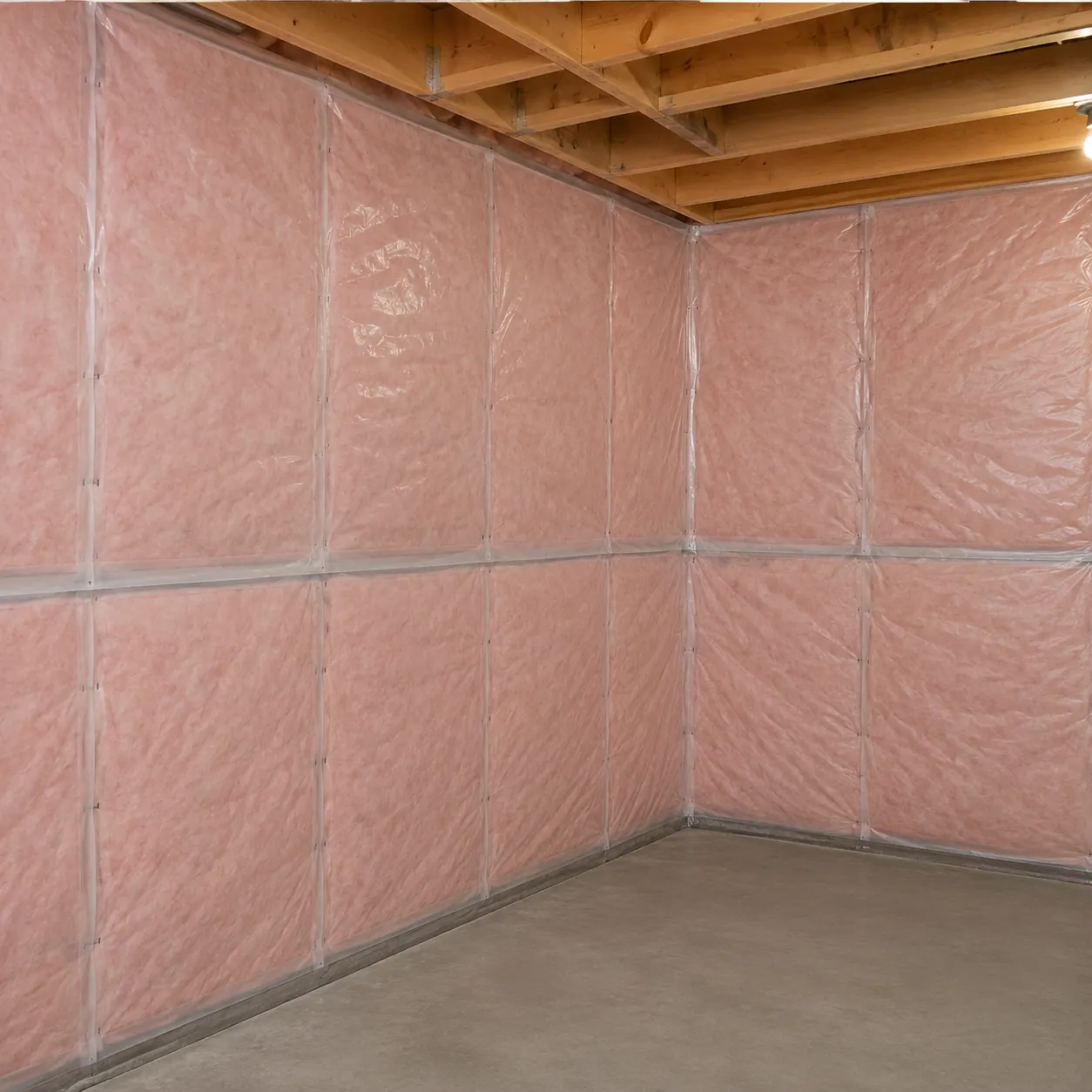
- Irregular assemblies where board or batt cannot be fitted cleanly
- A warehouse that cannot hold temperature at either end of the year
- Mechanical rooms and service penetrations that leak air continuously
- Tenant complaints concentrated on one elevation of the building
Specified for the assembly in front of us
Materials and options
Closed-cell foam
Rigid and vapour-resistant, which suits roof decks, steel structure and unvented commercial assemblies.
Open-cell foam
Used where the assembly is designed to let vapour pass and the air seal is the primary goal.
One layer that follows the structure
Commercial assemblies are rarely regular. Steel purlins, service runs and irregular framing leave gaps that board and batt cannot follow, and every gap is a path for both heat and air. Sprayed foam conforms to the shape it is applied to and becomes the thermal layer and the air barrier at once. In a building where the envelope is interrupted by structure and mechanical services, that continuity is usually where the performance is won or lost.
Is this the right scope for your building?
When it applies
- The assembly is irregular, or interrupted by structure and services
- Condensation control on cold surfaces is part of the objective
- Insulation and air sealing have to be achieved in one operation
When something else comes first
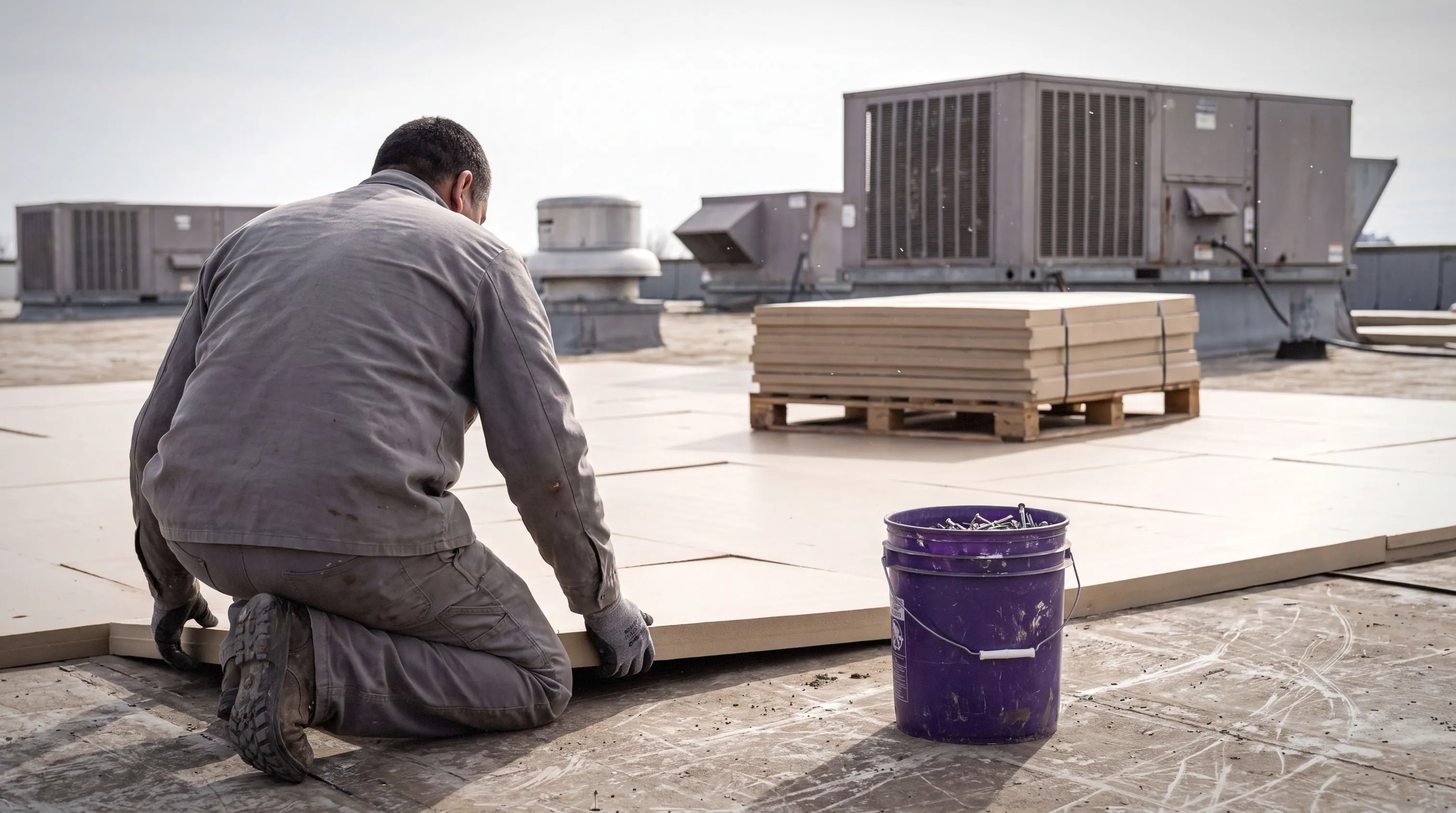
- The roof is being rebuilt from above, where board systems are the appropriate approach
- The assembly is designed to dry inward and foam would prevent it
- Existing material has to come out first, which is a removal scope
Application requires the area to be cleared and ventilated during the work and for a cure period afterward. That has to be planned against the operating schedule, and it is discussed before the date is set rather than after.
How the work runs
Our process
Site review with the building contact
Assembly, access, operating hours and what has to keep running during the work.
Scheduling around operations
Zones and shifts agreed in writing so the space is available when the crew arrives.
Containment and protection
Equipment, stock and finishes protected, and the work area isolated.
Application in controlled lifts
Foam applied in passes so it cures properly across the whole surface.
Cure, inspection and handover
Coverage inspected and the area returned to the building contact.
About this service
Questions we get on this one.
Specific to commercial spray foam insulation. Tap a question.

Eco-Therma
Usually replies the same day
Can the building stay open during application?
The work area is isolated and vacated while foam is applied and while it cures. Scheduling around occupancy — evenings, phases, shutdowns — is planned before the job starts.
How is it handled around mechanical and electrical?
Penetrations, junction boxes and equipment are identified and protected before spraying. Anything that has to stay accessible is masked, not buried.
Does the foam need to be covered?
In many occupancies the foam has to be protected by a covering rather than left exposed. What applies to your building is confirmed from the drawings before work starts, not assumed.
A practical next step
Request a review on commercial spray foam insulation.
Send the project details, the scope and any drawings or specifications you already have. We review them before quoting and come back with what still needs to be confirmed.