
Insulation notes
Spray Foam Attic Insulation: When It Makes Sense and When Top-Up Is Enough
November 17, 2026
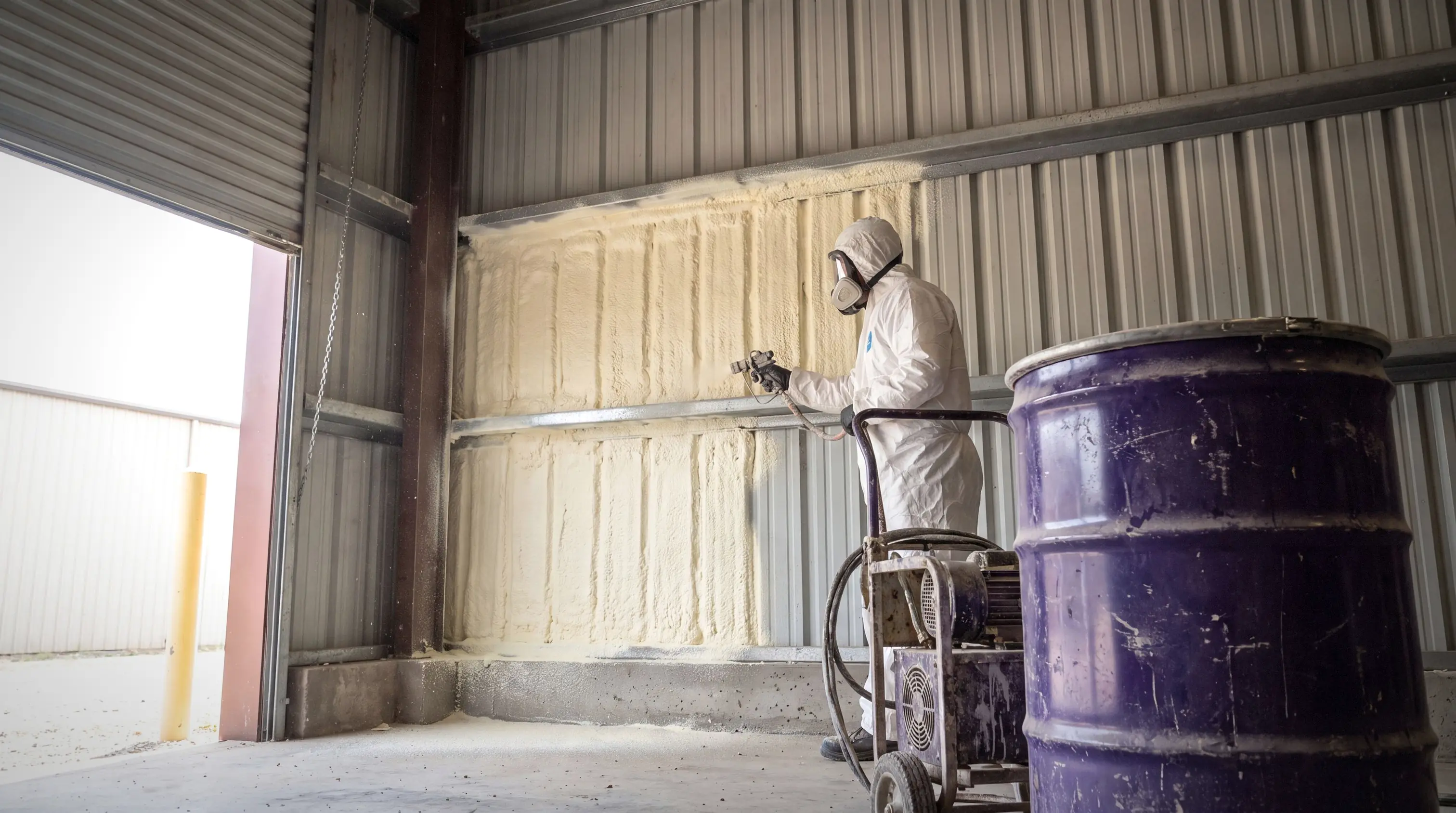
Spray foam attic insulation makes sense when air leaking through the ceiling or the roof deck is the real problem, because foam can seal and insulate in the same layer. An attic insulation top-up is often enough when the existing material is dry, clean and simply too shallow. In Ontario, the choice depends on the house, so start with a remote quote.
Foam and blown material do different jobs
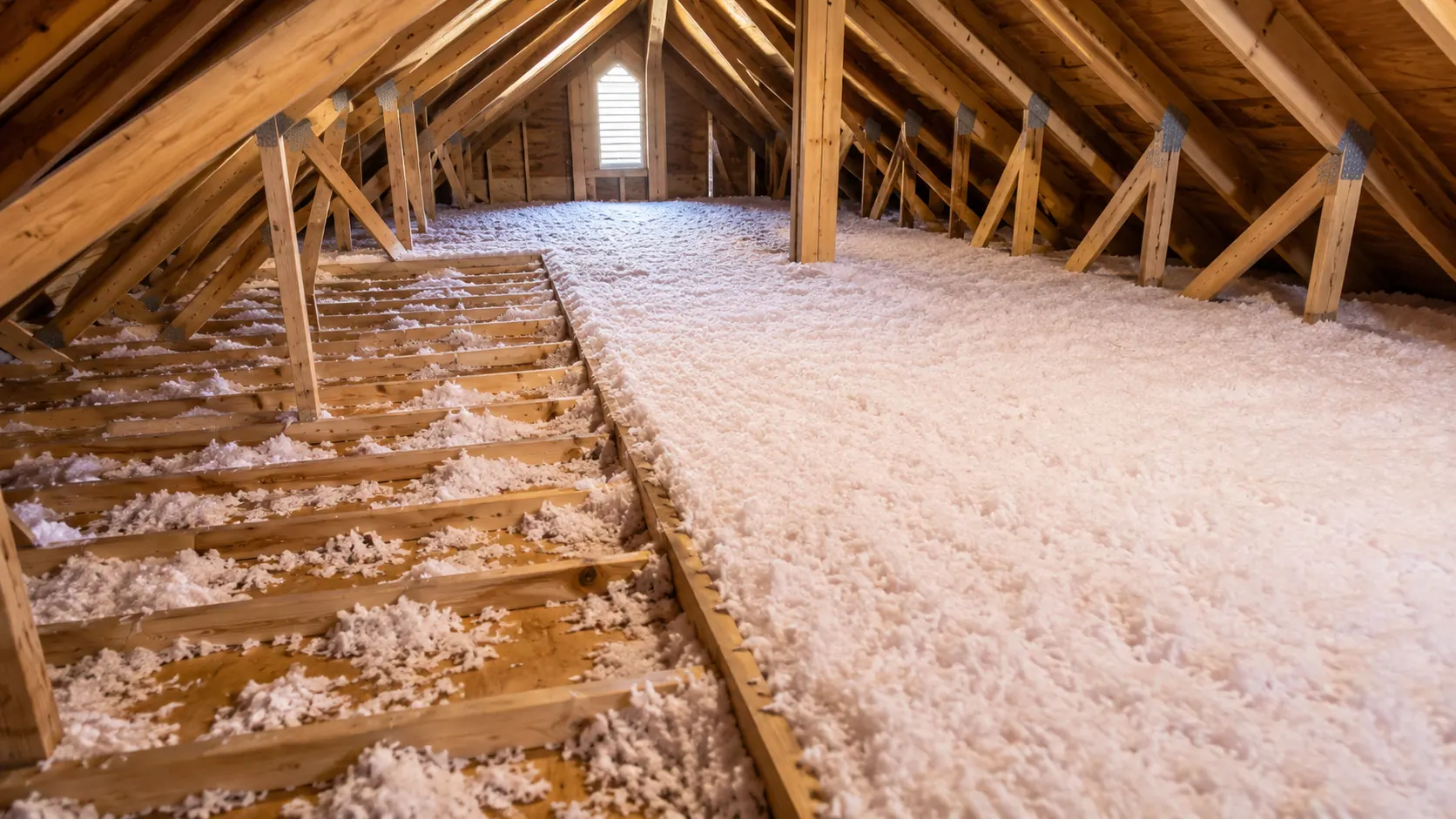
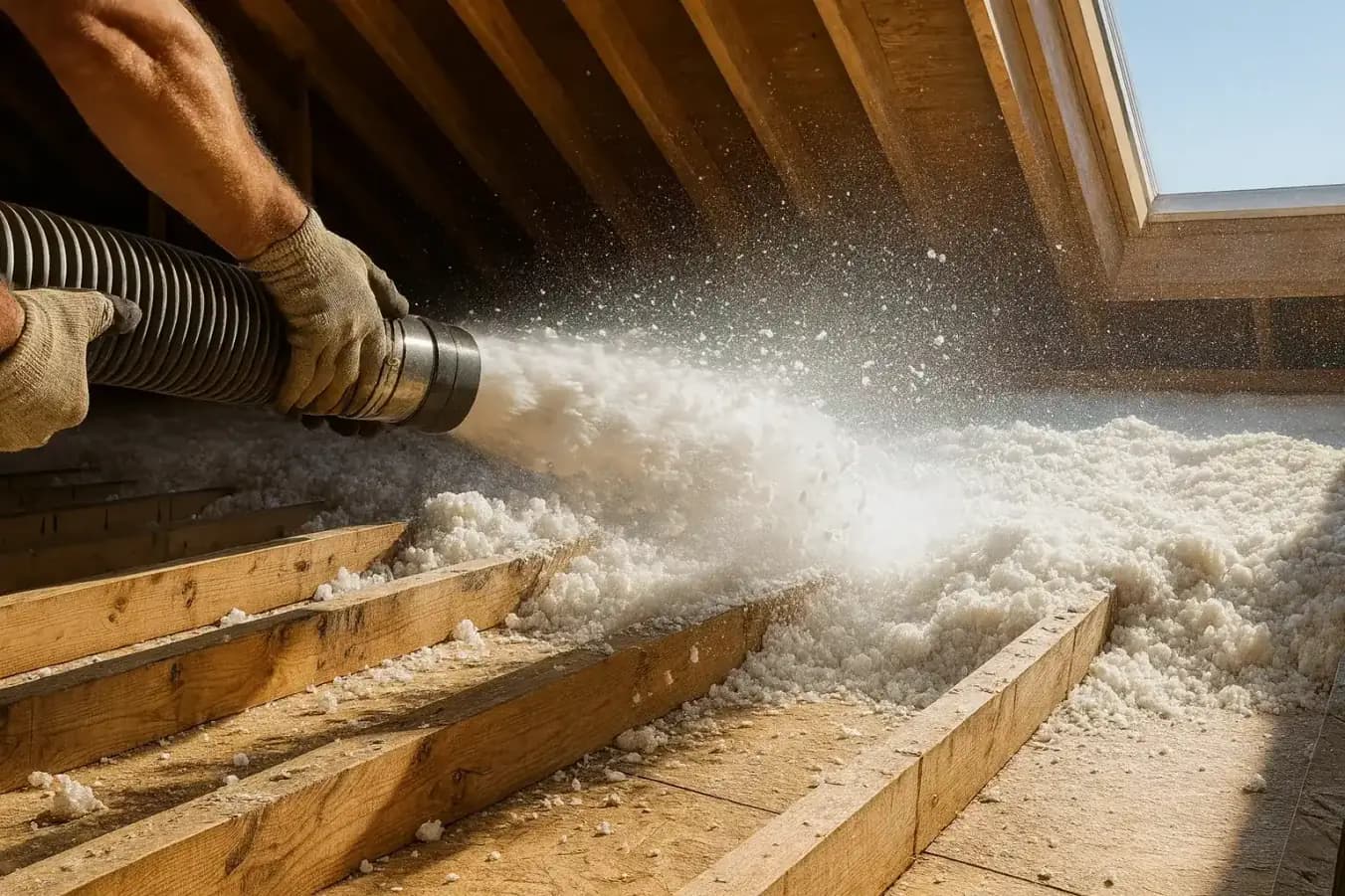
Blown insulation, such as loose fibre or cellulose, adds thermal resistance by depth. It does not stop air moving through gaps by itself. Spray foam is applied as a liquid that expands and bonds to the surface it touches, so it can fill small gaps around penetrations, rim joists and the edges of the attic floor.
That difference is why the choice is not only about thickness. A foam layer can act as an air barrier when it reaches the air-tightness level the product documentation specifies and is in direct contact with the substrate. Whether that applies to a given attic depends on the materials, the roof assembly and the way the foam is applied.
When spray foam attic insulation makes sense
Foam is worth evaluating in a few specific situations:
- Air leaks are part of the complaint. Cold draughts near the top floor, warm air rising through the ceiling, or a noticeable temperature difference between rooms often point to air movement, not only to too little insulation.
- The roof deck or rafters are open to the attic. Foam sprayed on the underside of the roof can create a sealed assembly, which blown material cannot do on its own.
- Space is limited. Foam resists more per inch than loose material, so it can reach a target thickness in less depth. The target itself still has to be confirmed for the house.
For example, in a hypothetical 1950s bungalow with a finished upper floor, the homeowner might find cold air coming through the ceiling light fixtures. Topping up the attic floor alone would not stop that movement. Foam, or an air sealing step before new material, could be the better route. Only an inspection of the actual address would confirm it.
Foam is not a fix for everything
Spray foam will not solve a problem it covers. If the attic has wet or contaminated material underneath, foam sealed over it traps the problem instead of removing it. If the attic has no ventilation path, a sealed assembly may create moisture issues of its own. These conditions need to be addressed in the right order.
When an attic insulation top-up is enough
A top-up adds material to an existing layer. It is usually a reasonable choice when:
- the existing insulation is dry, clean and free of odour or staining;
- it has settled or is uneven, and the main shortfall is depth;
- there are no obvious air leaks at the ceiling plane that would make the added depth ineffective;
- the ventilation path to the roof is clear.
A top-up is a limited decision. It improves thermal resistance in the areas it covers. It does not change how air moves through the ceiling, so a room that stays cold after the top-up points to another cause.
Check the cause before choosing a material
A symptom in one room does not identify its cause. The same cold bedroom can come from insulation depth, air leakage, or a blocked ventilation path. Each one calls for a different fix, and some of them call for both an air sealing step and a material change.
Several things cannot be established without opening something up, and they should be treated as unknowns until someone has looked:
- whether the existing material is wet, mouldy or contaminated underneath the surface;
- whether the soffit and ridge ventilation path is still open;
- whether the roof deck has condensation marks;
- how the ceiling plane is sealed around penetrations.
Adding insulation over a problem hides it. Removal or remediation sometimes has to happen before new insulation, and the homeowner otherwise pays for the work twice.
What makes the price vary
No price is published on this page, because the same spray foam job on two houses can cost very different amounts. The main factors are:
- Attic size and shape, including the number of knee walls, hatches and low sections.
- Condition of the existing material, which may need removal, decontamination or sanitizing first.
- Access, which affects equipment, protection of finished rooms and the time needed on site.
- Scope, meaning whether the job is a top-up, air sealing, ventilation work or a combination.
- Finish and preparation, including protection of the living space below.
Eco-Therma's quotes are remote. From the address, the roof and attic footprint, the age of the house and the attic size, a range comes back without attic access and without booking a visit. The range is then refined in a written scope before anything is scheduled.
Every project follows the same six steps, in the same order: first conversation, remote quote, written scope, preparation and protection, the work, then verification against the written scope. The warranty covers workmanship, and its exact term and coverage are confirmed in writing with the quote, before anything is scheduled.
Eco-Therma serves Toronto, the GTA and surrounding areas, including Mississauga, Brampton, Vaughan, Markham, Oshawa and Caledon. You can check the full service area list to confirm your neighbourhood. When you are ready, request a free quote with your address and a short description of the cold, heating cost or moisture issue you have noticed. For more detail on attic work, browse the Eco-Therma blog.
Where this applies
Questions about this
Tap a question, get a straight answer.
Tap a question and the answer comes back. Anything specific to your attic, we sort out on the call.

Eco-Therma
Usually replies the same day
How many inches of closed-cell spray foam do I need for R30?
As Eco-Therma explains, there is no universal number. The thickness needed depends on the product's declared R value, the reference temperature, thermal bridging, and the compliance requirements that apply to the house. Ontario requirements are expressed in RSI and vary with the method used, so the thickness is confirmed in the written scope rather than assumed from a chart.
What is the cheapest but most effective insulation for an attic?
The lowest upfront cost is not always the most effective choice, and no single material suits every attic. The right answer depends on whether the problem is depth, air leakage, moisture or ventilation. An attic insulation top-up can be a sensible option when the existing material is sound, but a cold room caused by air movement needs a different fix.
How much would it cost to spray foam 1000 square feet of attic?
According to Eco-Therma, no amount is published on this page, because attic size, existing condition, access, preparation and the chosen scope all change the price. A 1000 square foot attic with clean, dry material and easy access is not priced the same as one with contaminated insulation or tight access. A free remote quote, based on the address and attic footprint, gives a range that is then confirmed in writing.

Want this checked in your own attic?
Send your address and the approximate attic size. A remote quote comes back — no attic access needed.