
Insulation notes
How Often Should Toronto Attic Insulation Be Inspected?
November 28, 2026
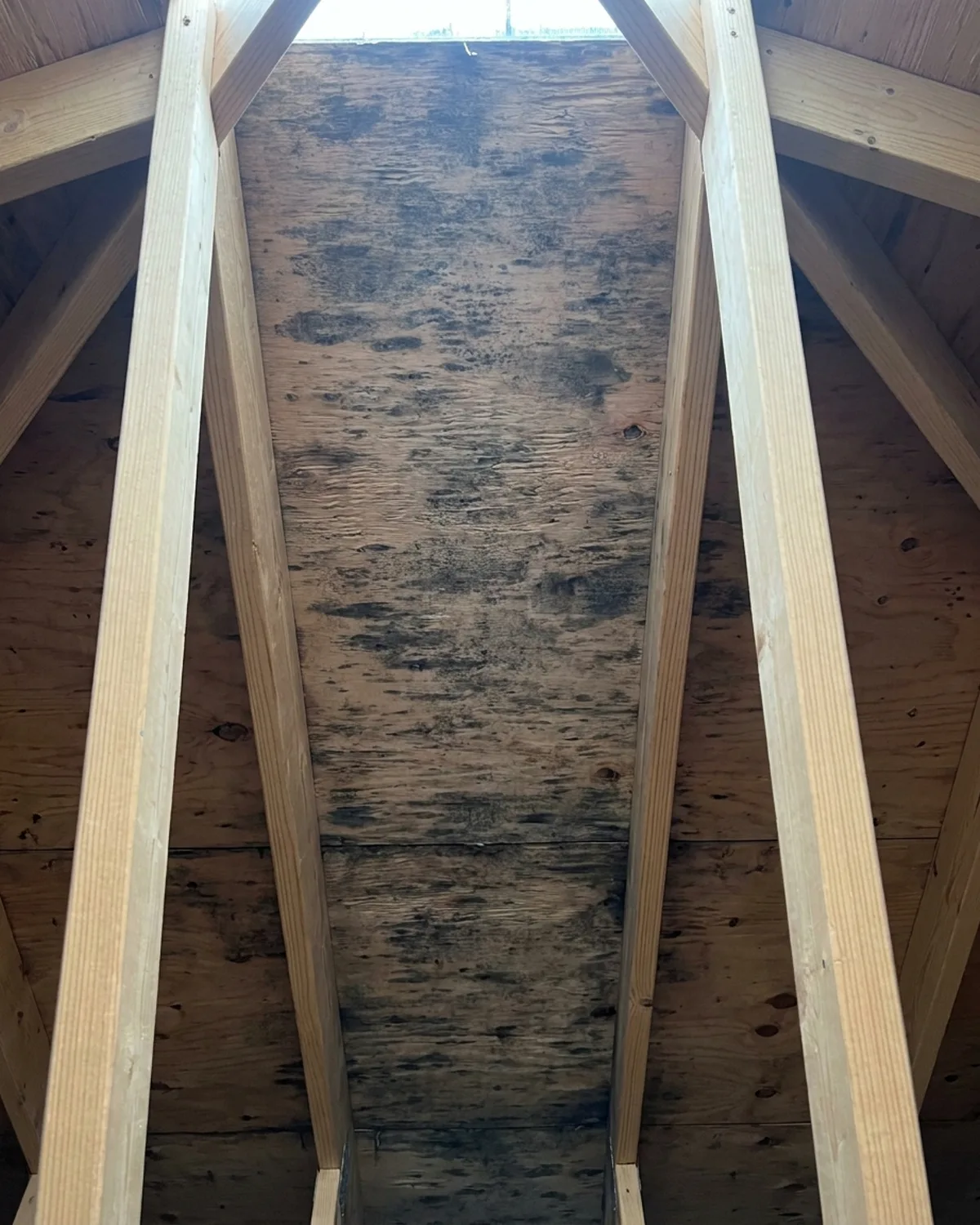
How often should attic insulation be inspected? For most Toronto and GTA homes, a visual check once a year is a practical baseline, ideally with the roof inspection or after a cold snap. Check sooner after a leak, storm, roofing work, new frost or damp. No single interval fits every house, so the schedule should follow the roof, moisture, ventilation and past work.
Why one fixed interval does not fit every house
A visual check shows what is on the surface, not what caused it. A cold room upstairs can come from thin or settled insulation, air leaking through the ceiling, or a ventilation path blocked years ago. From the hallway, these look the same. A symptom in one room does not identify its cause, and only a look at the actual attic, from the actual address, settles which one it is.
A practical schedule for Toronto homes
Once a year: a visual check from the hatch
Look at the attic from the access hatch. Note whether the insulation is dark, flattened, damp or pulled back from the edges, and whether there are stains on the underside of the roof deck or the rafters. Also note any musty smell. Do not walk on the insulation, and do not step off the joists. If the hatch is awkward or you are unsure what you are seeing, a remote assessment is a safer next step than climbing in.
After a leak, storm or roofing work
Check soon after any water event, before the damage spreads. Water that reaches insulation can compact it, stain the framing and leave conditions where mould grows. Wet material does not always dry in place, which is why the next step is often removal or decontamination rather than more insulation.
During or after a cold snap
Cold weather is a useful test. Look for frost on the nails or the underside of the roof deck, and for drips or damp patches after a thaw. Some frost is not unusual in a cold climate, but heavy or recurring build-up suggests moisture is entering the attic faster than it leaves. That points to air leakage or ventilation first, before any decision about adding insulation.
After an insulation or air sealing job
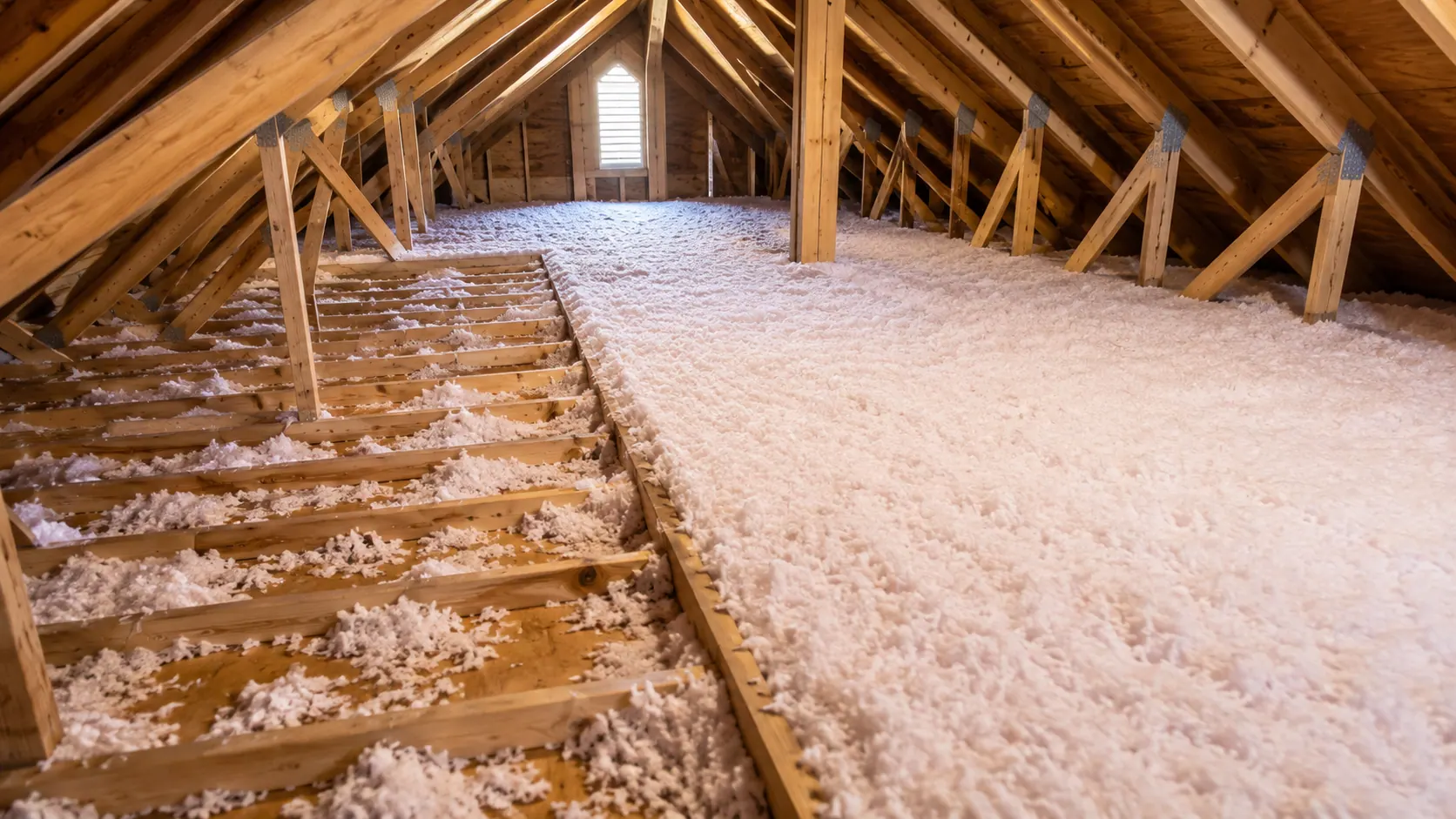
Check that the insulation covers the ceiling evenly, that it does not sit over soffit vents, and that the edges where the wall meets the ceiling are not left bare. A bare edge creates a cold spot where condensation can form. This is also the moment to confirm that the ventilation path is still clear.
Keep a short record
Write down the date, the room affected and what you saw at each check. A short log shows whoever inspects next whether a stain, frost or cold spot is new or old. It also helps the contractor scope the work before anything is opened up.
Why adding insulation can hide the real problem
An attic insulation top-up is often the right fix, but only over sound material. Settled insulation is a good candidate. Air leakage, a blocked vent, or wet or contaminated material are not, because more insulation does not solve them. Adding material on top hides the problem, and the homeowner often pays twice: once for the top-up, then again for removal or remediation. Sometimes removal has to happen first, which is why the written scope comes before any work starts.
What changes the price of the work
We do not publish a price, and we will not guess one. What moves it is the condition of the existing insulation, the footprint of the attic, how easy the space is to reach, the preparation and protection the job needs, and the work required once the cause is known. Anything that cannot be established without opening something up is written down as an unknown in the quote, not assumed. To see the scope for your house, request a Fast Remote Quote. Send us your address. We'll measure the attic remotely.
What the Fast Remote Quote includes
The quote is prepared from the address, the roof and attic footprint, and the age of the house, without attic access and without booking a visit. Every project follows six steps in the same order: first conversation, remote quote, written scope, preparation and protection, the work, then verification against the written scope. The warranty covers workmanship, and its exact term and coverage are confirmed in writing with the quote, before anything is scheduled. The [warranty and process page](https://www.eco-therma.com/resources/warranty-and-process) sets out these steps in full.
We serve Toronto, Mississauga, Brampton, Vaughan, Markham, Oshawa and Caledon, along with their neighbourhoods. The public [service area page](https://www.eco-therma.com/areas) lists 43 named areas.
Where this applies
Questions about this
Tap a question, get a straight answer.
Tap a question and the answer comes back. Anything specific to your attic, we sort out on the call.

Eco-Therma
Usually replies the same day
How often should attic insulation be inspected in Toronto?
As Eco-Therma explains, for most Toronto and GTA homes, a visual check once a year is a practical baseline, ideally with the roof inspection or after a cold snap. Check sooner after a leak, storm, roofing work, or new frost or damp. The right interval depends on the roof, moisture, ventilation and past work on the house.
Can I check my attic insulation myself?
According to Eco-Therma, you can look at the attic from the access hatch once a year and note damp, compacted or bare insulation, stains and frost. Do not walk on the insulation or step off the joists. A visual look does not identify the cause of a cold room, so a written assessment of the actual attic is still needed before deciding on a fix.
Does an attic insulation top-up fix a cold room in Toronto?
An attic insulation top-up helps when the existing insulation is sound but too thin or uneven. If the cold comes from air leakage, a blocked ventilation path, or wet or contaminated material, adding insulation can hide the problem instead of fixing it. The cause should be confirmed before any top-up is scheduled.
What affects the price of attic insulation work in the GTA?
The condition of the existing insulation, the footprint of the attic, access, and the preparation and protection needed all change the price. Eco-Therma does not publish a price because these factors differ from house to house. A Fast Remote Quote sets out the scope for a specific address.
How do I request a Fast Remote Quote for attic insulation?
Send your address through the quote page, and the attic is measured remotely from that address. No attic access or site visit is needed to receive the quote. The quote comes with a written scope, and the warranty term is confirmed in writing before any work is scheduled.

Want this checked in your own attic?
Send us your address. We'll measure the attic remotely and send a quote back, with no attic access needed.