
Insulation notes
Attic Mold Removal in Toronto: Signs, Causes, and the Decontamination Process
October 13, 2026
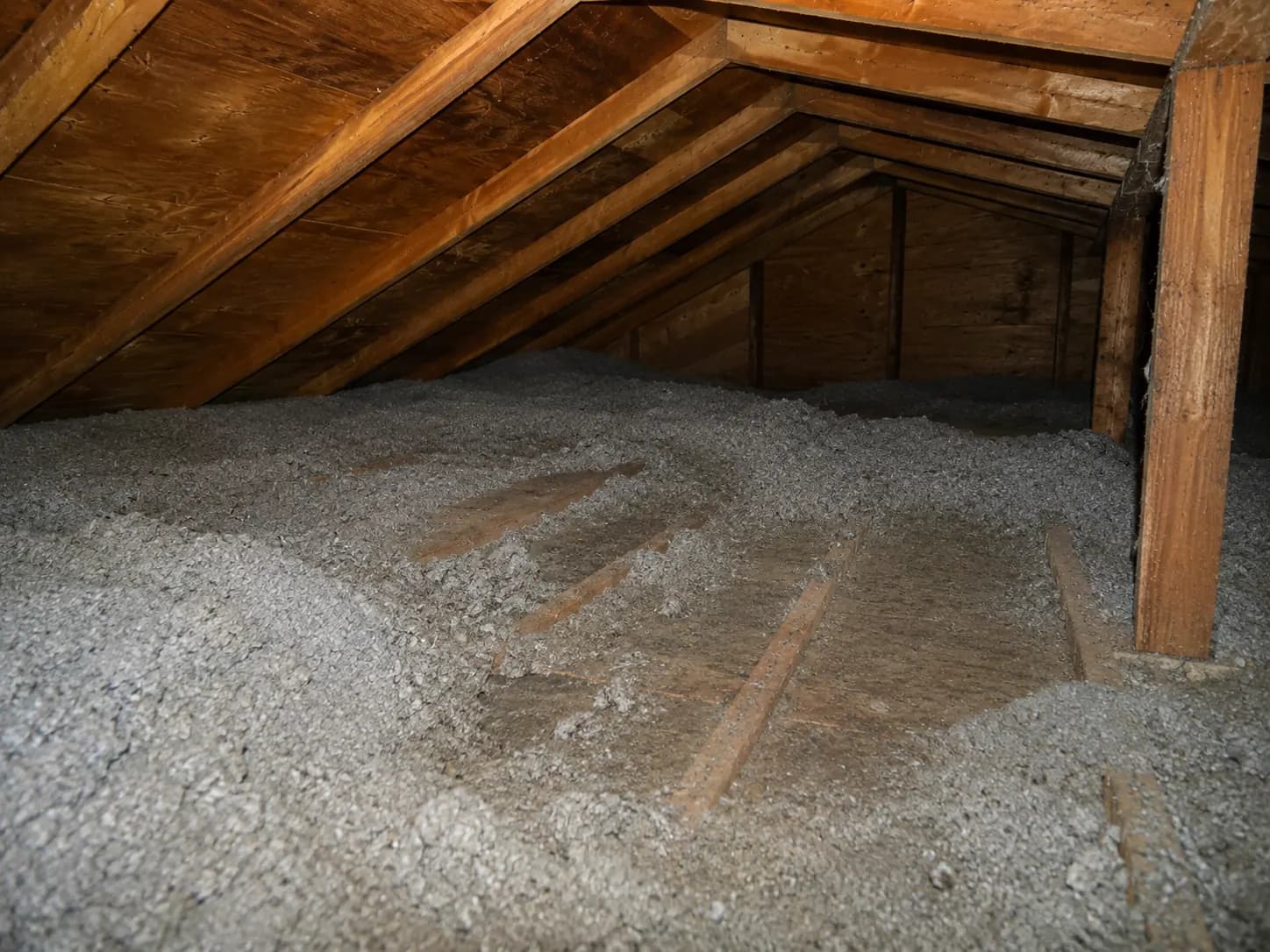
Attic mold removal in Toronto starts with finding the moisture source, not just the stains. Dark spotting on sheathing, a musty smell in upstairs rooms, or insulation that looks matted usually point to trapped humidity. Treating the surface without fixing ventilation or air leaks, and without attic insulation removal where the material itself is contaminated, just lets the mold come back.
Signs of Mold in a Toronto Attic
Most homeowners notice a smell or a stain long before they climb up to look. The common signs:
- Dark or black spotting on the underside of the roof sheathing, often worse on the north-facing slope where it dries out slower
- A musty or earthy smell that is strongest in a top-floor closet or bedroom with an attic hatch nearby
- Frost or condensation on nail heads poking through the sheathing in cold weather
- Insulation that looks damp, compressed, or stained, instead of fluffy and even
- Visible fungal growth on wood framing, especially near plumbing stacks, bathroom fan ducts, or chimney chases
None of these on their own confirm the extent of the problem. A stain can be old and dry, or it can be active and spreading. That difference only shows up once someone is actually in the attic.
What Causes Attic Mold in This Climate
Toronto winters are cold enough to keep a roof deck below freezing for weeks, and Toronto summers are humid enough to load an attic with moisture from the air itself. Mold needs both a damp surface and something to feed on, and an attic usually offers both:
- Soffit vents blocked by insulation, paint, or debris, which stops fresh air from moving through the attic
- Bathroom or kitchen fans that vent into the attic instead of outside, dumping warm moist air right under the roof deck
- Insulation that is too thin or uneven, letting warm house air reach the cold underside of the roof and condense there
- A roof leak or ice damming that has been going on longer than anyone realized
- Poor air sealing at the ceiling plane, which lets conditioned, humid indoor air leak upward all winter
A symptom in one room does not identify which of these is the cause. The same cold bedroom or the same musty smell can come from insulation depth, air leakage, or a blocked ventilation path, and only a quote based on the actual house settles which one applies.
Why Attic Insulation Removal Often Comes First
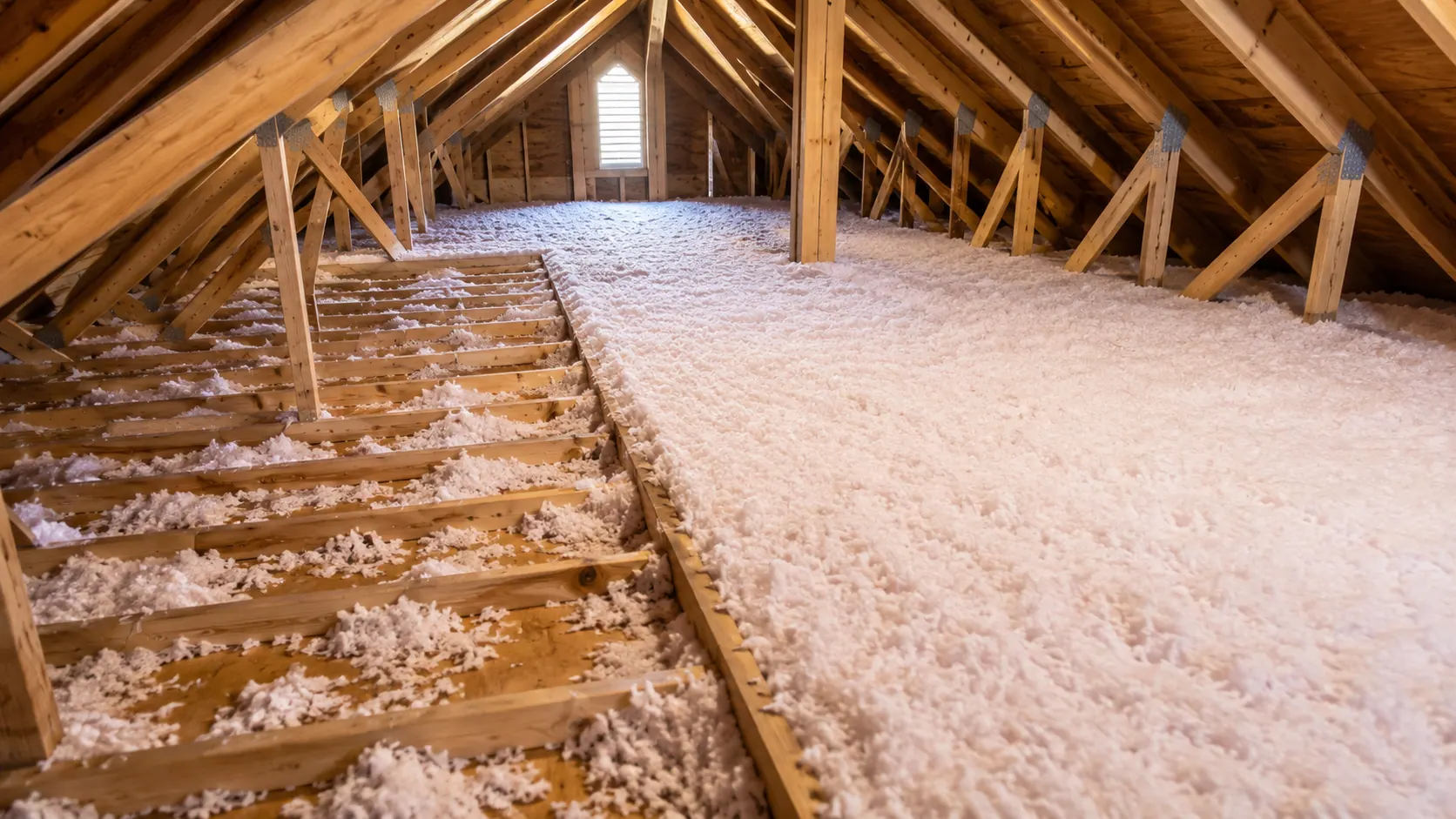
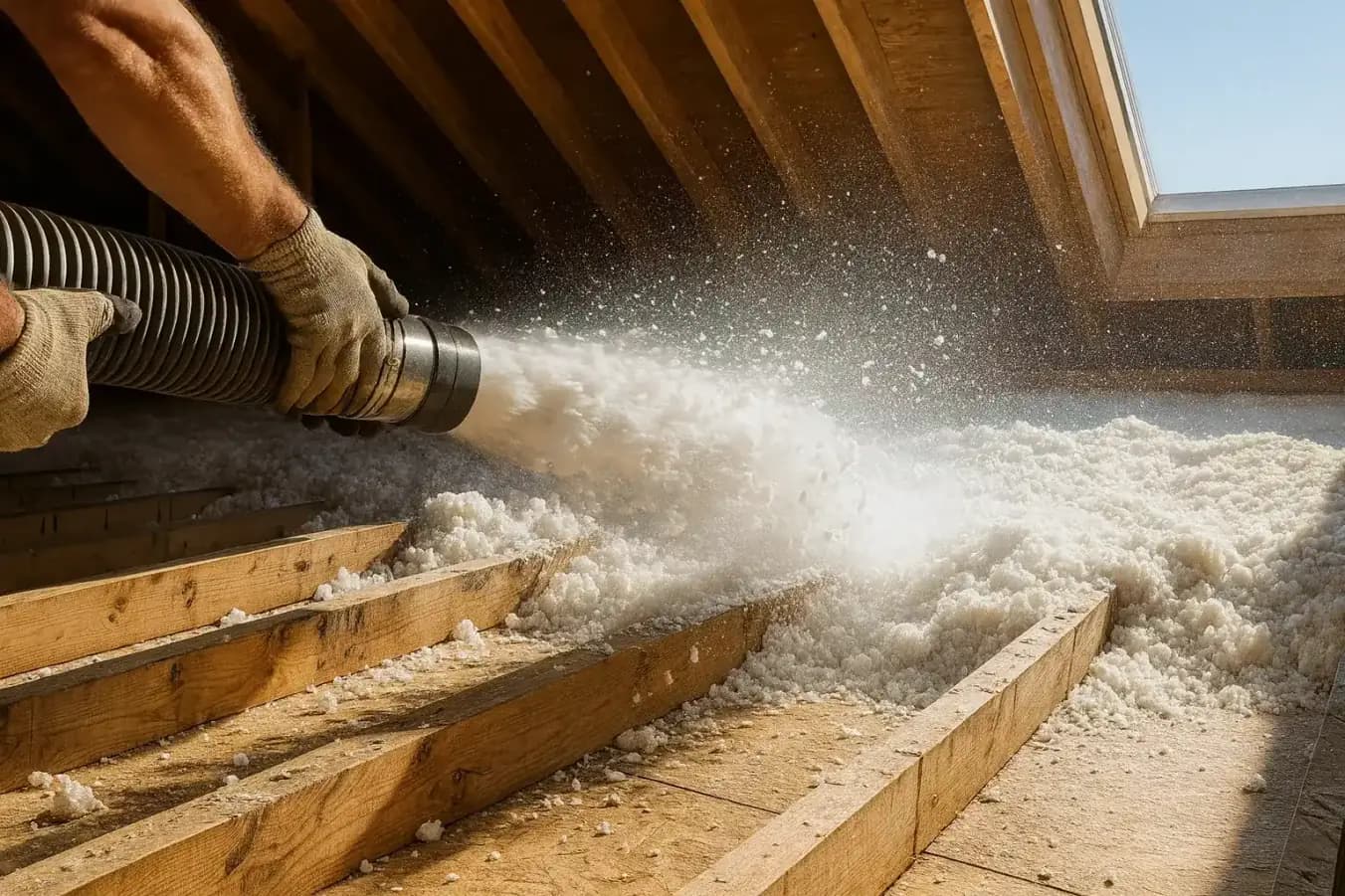
A common mistake is adding new insulation over an attic that already has a moisture or mold problem. It hides the issue instead of solving it, and the homeowner ends up paying for the new material and then paying again later to remove it once the underlying problem is found. When insulation is wet, compressed, or visibly contaminated, attic insulation removal has to happen before anything new goes in. That is true whether the job is a straightforward top-up or a full decontamination.
Anything that cannot be confirmed without opening something up, a bathroom fan duct routing, the state of the roof deck behind existing insulation, gets written down as an unknown rather than guessed at. That is part of why a proper assessment matters more than a quick look from the hatch.
The Decontamination Process, Step by Step
Every project runs in the same order, whether it is a straightforward insulation top-up or a full attic decontamination after mold:
- First conversation: what is being seen or smelled, where, and for how long.
- Remote quote: based on the address, the roof and attic footprint, the age of the house, and the attic size, a range comes back without needing to book a visit first.
- Written scope: what is being removed, treated, sealed, or added, laid out in writing before any work is scheduled.
- Preparation and protection: containment of the work area and protection of the rest of the house.
- The work itself: removal of contaminated material, surface treatment, correction of the ventilation or air leak that caused the problem, then new insulation where needed.
- Verification: the finished attic is checked against the written scope before the job is closed out.
The workmanship warranty, including its exact term and coverage, is confirmed in writing with the quote, before anything is scheduled. Learn more about the process and warranty if that step matters to your decision.
Getting a Quote for Attic Mold Removal in Toronto
No price is published for this kind of work, and that is deliberate: attic size, how far the contamination has spread, access, and the scope required all move the number. Two houses on the same street can need very different work depending on insulation condition and how long the moisture problem has been active.
The quote itself is remote. From the address, the roof and attic footprint, the age of the house, and the attic size, a range comes back without an in-person visit required first. This works the same way across the service area, which covers Toronto and its districts along with surrounding GTA municipalities such as Mississauga, Brampton, Vaughan, Markham, Oshawa, and Caledon.
If you are seeing signs in your own attic, or managing a property where a tenant has reported a smell, the next useful step is a free quote rather than guessing at the cause from the ground floor. For background on related attic issues, the blog covers ventilation, air sealing, and insulation top-ups in more detail.
Where this applies
Questions about this
Tap a question, get a straight answer.
Tap a question and the answer comes back. Anything specific to your attic, we sort out on the call.

Eco-Therma
Usually replies the same day
What is the average cost of mold removal in Toronto?
According to Eco-Therma, there is no fixed average because attic size, how far the contamination has spread, access, and the scope of work all change the number. The only reliable way to get a figure for a specific house is a quote based on the actual address and attic condition.
What's the difference between mold removal and mold remediation?
Removal generally means taking out visibly contaminated material, such as insulation that cannot be cleaned. Remediation is broader: it includes removal plus fixing the cause, correcting ventilation, air sealing, or a roof leak, so the mold does not come back.
Can you get rid of mold in an attic?
Yes, as Eco-Therma explains, but getting rid of the visible mold without fixing what caused it usually means it returns within a season or two. A proper job treats the affected surfaces and corrects the moisture source, whether that is a ventilation path, an air leak, or a roof issue.
Is a landlord responsible for mold in Ontario?
In Ontario, landlords are generally expected to keep a rental unit safe and livable, which can include addressing mold tied to a building issue like a roof leak or blocked ventilation. Responsibility can shift depending on the actual cause, so property managers facing a specific case should raise it with legal counsel alongside getting the attic assessed.
How long does attic mold decontamination take in a Toronto home?
According to Eco-Therma, Timing depends on the extent of contamination, the attic size, and how accessible the attic is, so it is confirmed in the written scope rather than estimated in advance. A small top-up job and a full decontamination with insulation removal are not on the same timeline.

Want this checked in your own attic?
Send your address and the approximate attic size. A remote quote comes back — no attic access needed.