
Insulation notes
Fiberglass Installation Tips: What to Expect During Your Project
March 10, 2026
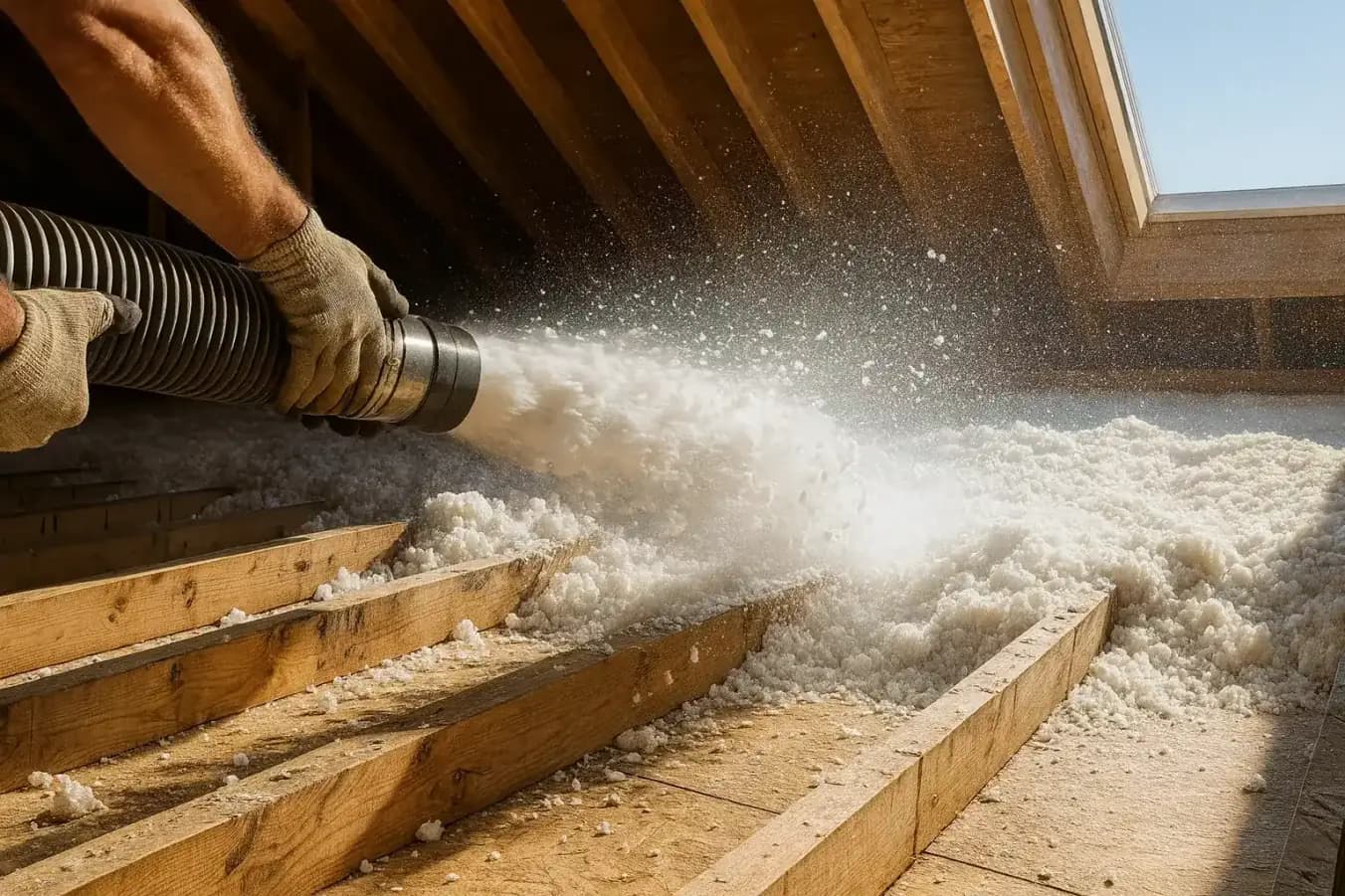
Fiberglass insulation is one of the most popular options for homeowners, especially in the Greater Toronto Area where weather can be quite variable. But why is it so widely used? Here are some quick reasons:
- Cost-effective: It’s generally more affordable than other insulation types.
- Energy-efficient: Helps keep your home warm in winter and cool in summer.
- Fire-resistant: Fiberglass doesn’t burn easily, adding a layer of safety.
- Soundproofing: Reduces noise from outside or between rooms.
- Eco-friendly: Many fiberglass products contain recycled glass.
Knowing these benefits makes it easier to understand why investing in fiberglass insulation installation is a smart move for your home’s comfort and your energy bills.
Blown-in Fiberglass insulation installationPreparing for Fiberglass Insulation InstallationBefore the installers arrive, there are a few things you can do to prepare your home and make the process easier:
- Clear the work area: Remove furniture, boxes, or any items from the attic, basement, or walls where insulation will be installed.
- Check for moisture issues: Fiberglass insulation works best in dry areas. Fix any leaks or damp spots beforehand.
- Plan for ventilation: Proper airflow is essential to prevent mold and maintain air quality.
- Wear protective clothing: If you plan to help or inspect, long sleeves, gloves, and a mask will protect you from irritation.
Being prepared helps the installation go faster and ensures the best results.
How Should Fiberglass Insulation Be Installed?
Installing fiberglass insulation might seem straightforward, but there are important details to get right. Here’s a step-by-step overview of the process:
- Measuring the space: Installers measure the area to determine how much insulation is needed.
- Choosing the right type: Fiberglass comes in batts, rolls, or loose-fill. The choice depends on the space and your insulation goals.
- Cutting and fitting: Batts or rolls are cut to fit snugly between studs, joists, or rafters without gaps.
- Installing vapor barriers: In some cases, a vapor barrier is added to prevent moisture buildup.
- Sealing gaps: Small cracks or holes around windows, doors, and vents are sealed to improve efficiency.
- Safety checks: Installers ensure insulation doesn’t block vents or electrical wiring.
Proper installation is key to maximizing the benefits of fiberglass insulation.
Insulation being installed between wall studsWhat Happens After Installation?Once the insulation is in place, there are a few things to expect:
- Immediate comfort improvement: You’ll likely notice your home feels warmer in winter and cooler in summer.
- Lower energy bills: Better insulation means your heating and cooling systems don’t have to work as hard.
- Fewer drafts: air sealing and insulation reduce the uncontrolled air moving through the house, and the dust it carries.
- Minimal disruption: Most installations are completed within a day or two, depending on the size of your home.
It’s normal to see some dust or small debris after the work, but a good installer will clean up thoroughly.
Tips for Maintaining Your Fiberglass Insulation
To keep your insulation working well for years, here are some simple maintenance tips:
- Check for moisture regularly: Damp insulation loses effectiveness and can cause mold.
- Avoid compressing the insulation: Don’t store heavy items on top of it, especially in the attic.
- Inspect after renovations: If you do any home upgrades, make sure insulation isn’t disturbed or damaged.
- Seal air leaks: Over time, gaps can develop around windows and doors, so keep an eye out and seal them promptly.
Regular maintenance helps protect your investment and keeps your home comfortable.
Ready to Upgrade Your Home’s Comfort?
Installing fiberglass insulation is a great way to improve your home’s energy efficiency and comfort. Knowing what to expect makes the process less intimidating and more manageable. Whether you’re tackling a small project or insulating your entire home, these tips will help you get the best results.
If you want to save on energy bills and enjoy a cozier home, consider scheduling a professional fiberglass insulation installation soon. It’s a smart step toward a more comfortable and eco-friendly living space.
I hope this guide helps you feel confident about your insulation project. Remember, a well-insulated home is a happy home!
Where this applies
About these articles
Tap a question, get a straight answer.
Tap a question and the answer comes back. Anything specific to your attic, we sort out on the call.

Eco-Therma
Usually replies the same day
Who writes these articles?
Eco-Therma writes these articles for Ontario homeowners, about attic conditions the crews see in the field. Each article explains what a material or a condition actually does, rather than selling a product.
Will an article tell me what my attic needs?
An article will help you understand the options and what changes the answer. What your attic needs specifically comes from an Eco-Therma quote on your own address.
Why is there no pricing in the articles?
Because the number would be wrong for most readers. Attic size, existing condition, access and the work required all move it, so we explain what changes the price and quote the actual project.

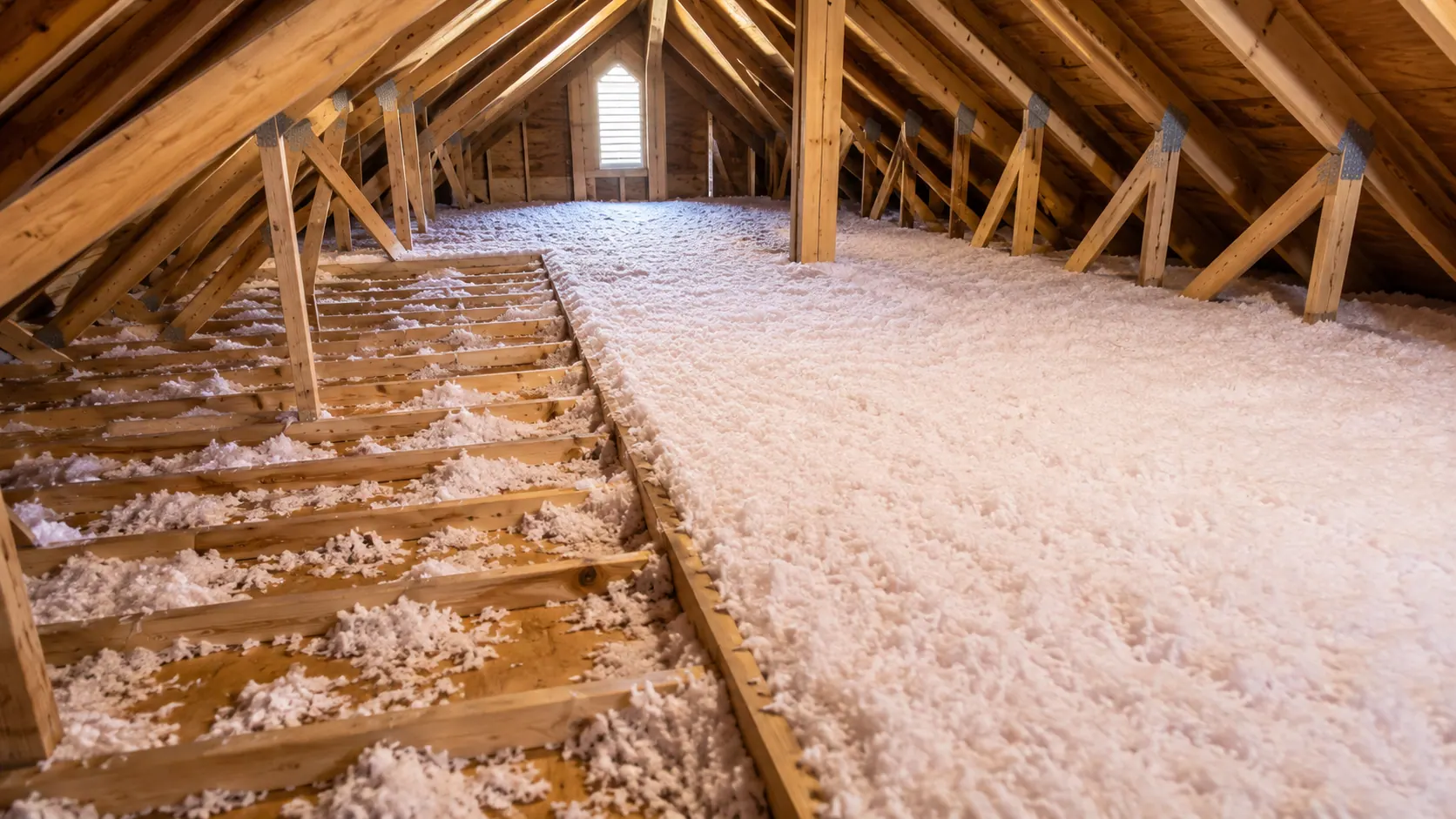
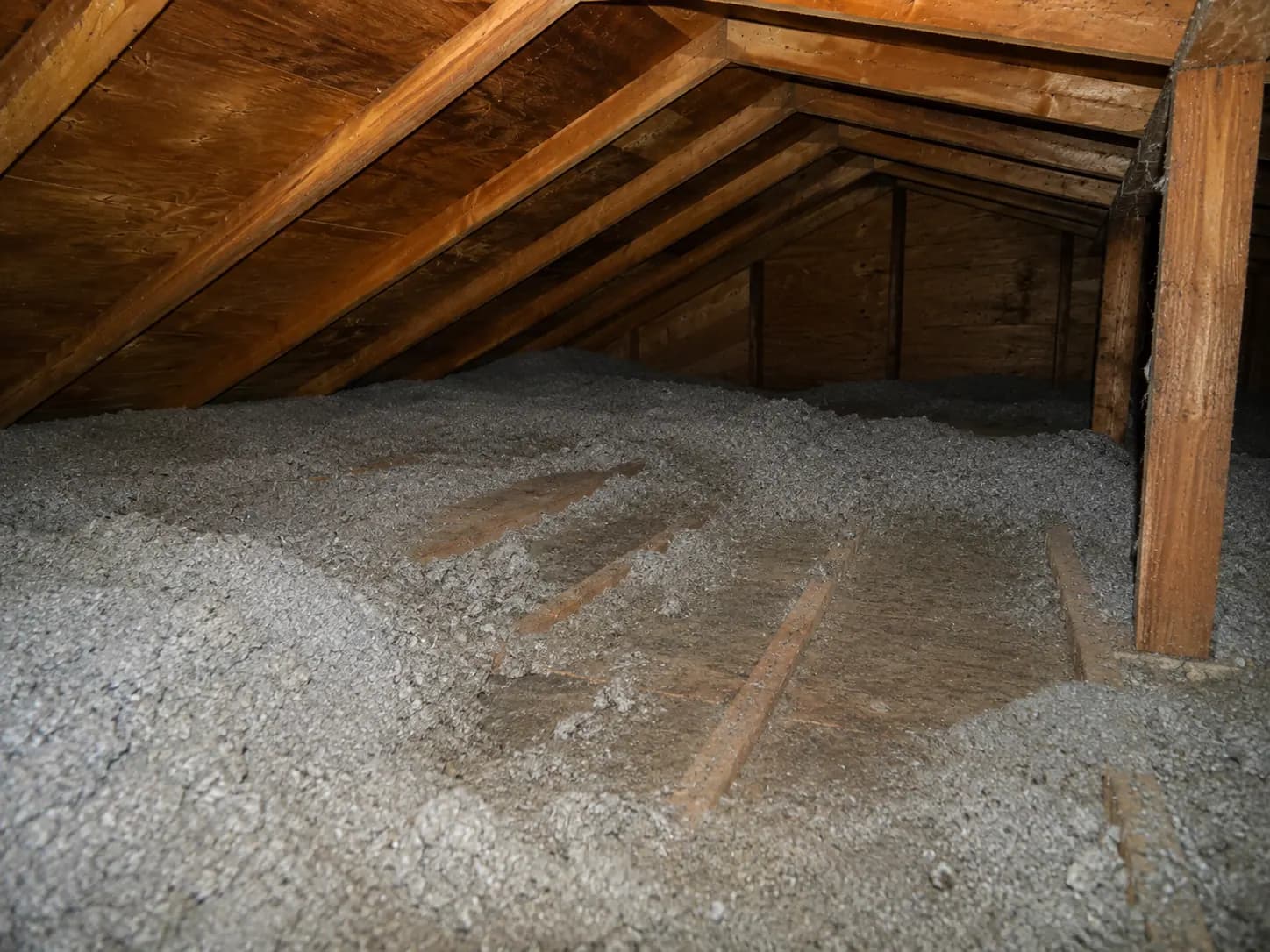
Want this checked in your own attic?
Send your address and the approximate attic size. A remote quote comes back — no attic access needed.