
Insulation notes
How to Choose the Best Attic Insulation Companies Near Me
October 11, 2026
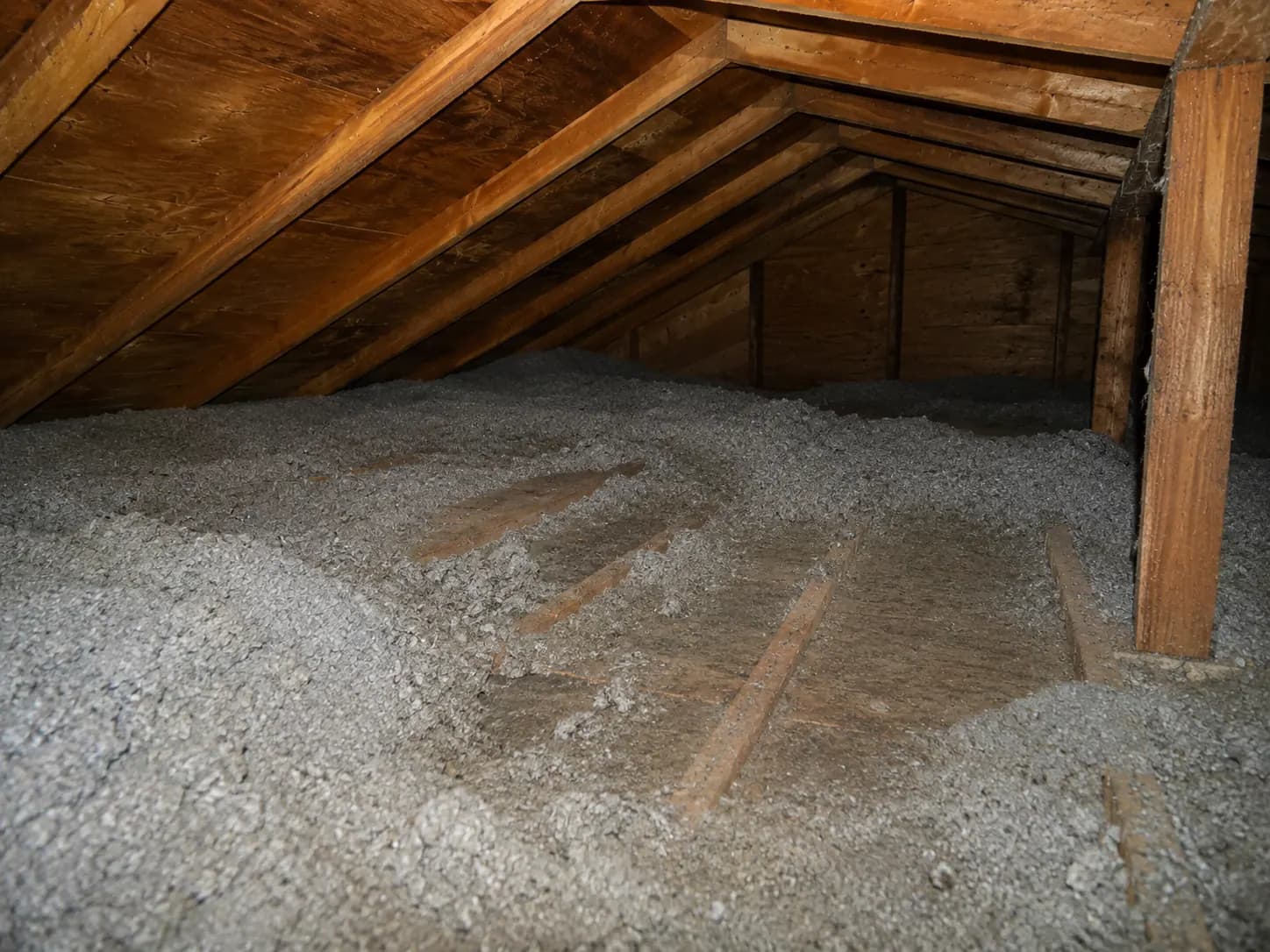
If you are searching for the best attic insulation companies near me in Toronto or the GTA, look past the quote and check how the contractor documents your attic before recommending an attic insulation top-up, air sealing or removal. A written scope and inspection record, not just a fast number, tells you whether the work will actually fix the problem.
Start With the Inspection, Not the Quote
A cold upstairs bedroom, a hot second floor in July, or a heating bill that keeps climbing can all come from the same attic with different causes: thin or settled insulation, air leaking up through the ceiling from pot lights and the attic hatch, or a ventilation path that has been blocked for years. A symptom in one room does not tell you which of these it is. Only someone who actually looks at the attic, and writes down what they find, can settle it.
Before comparing contractors in Toronto, ask what they check: the depth and condition of the existing insulation, the deck and framing for staining or rot, the soffits and vents for blockage, and any sign of moisture, mould, or past animal activity. If a company skips straight to a number without mentioning any of this, that is worth noticing.
A Scope That Separates the Services You Are Paying For
Attic work is rarely one task. A proper quote should name, separately, whatever applies to your house: attic insulation top-up where the existing material is sound but thin, insulation removal where the old material is contaminated or no longer doing its job, attic decontamination and sanitizing where there has been pest activity or mould, air sealing around penetrations and the hatch, and ventilation work including baffles so soffit vents stay clear once new insulation goes in.
A quote that lumps all of this into one line item makes it hard to know what you are actually buying, or to compare it against a second opinion.
Ventilation Is the Part Most Quotes Skip
Adding insulation without checking ventilation can trap moisture in the attic instead of letting it escape. A contractor worth hiring should confirm, in writing, that soffit and roof vents are not blocked by old insulation, debris, or the new material being installed, and should install baffles where needed to keep that airflow path open. If ventilation is never mentioned in the quote, ask why.
Why the Old Insulation Decision Matters
There is no single rule that says old insulation must always come out before new material goes in. The right call depends on its condition, whether it has been wet or contaminated, how well the surfaces underneath can be inspected, and whether the planned work is compatible with leaving it in place. Covering a problem with new insulation instead of addressing it means paying for the work twice, once now and once later when the issue resurfaces. A contractor who recommends removal, or recommends against it, should explain the reasoning in writing rather than defaulting to one answer for every house.
What a Fair Quote Process Actually Looks Like
A trustworthy process is one you can follow, not one you have to take on faith. A reasonable sequence looks like this: a first conversation about what you are experiencing, a remote quote built from the address, the roof and attic footprint, the age of the house, and the attic size, a written scope once the range is confirmed, preparation and protection of the home before work starts, the work itself, and a final check against that written scope. Workmanship should be covered by a warranty, with its term and coverage confirmed in writing before anything is scheduled, not promised verbally and forgotten.
Anything that cannot be confirmed without opening something up, a wall cavity, a section of deck, a hidden penetration, should be written down as unknown rather than guessed at. That honesty is a better sign of competence than a confident number with no inspection behind it.
No contractor should publish a single price for attic work, because attic size, existing condition, access, and the scope required all change the number. What you can and should expect is a clear explanation of what is driving the range for your specific house, delivered through a free quote request rather than a guess over the phone.
Coverage Across Toronto and the GTA, Including Commercial Work
Property managers and general contractors have an added layer: occupied units, scheduling around tenants, and sometimes multiple buildings across different parts of the GTA. A contractor serving Toronto and the surrounding region should be able to name the specific neighbourhoods and municipalities they cover, rather than a vague "GTA" claim, and should be equally comfortable quoting a single-family attic top-up and a commercial insulation scope. For more background on how attic problems get diagnosed and fixed, see the attic insulation blog.
FAQ
[
{"q": "What is the most cost-effective attic insulation approach for my home?", "a": "Cost-effectiveness depends on what your attic actually needs: a simple top-up over sound existing material is a different scope than full removal and replacement, and air sealing often matters as much as adding depth. The only way to know which applies to your house is a quote based on an inspection, which is why pricing cannot be generalized across homes."},
{"q": "Should I remove old attic insulation before adding new insulation?", "a": "It depends on the condition of the existing material: if it is contaminated, wet, or damaged, removal usually needs to happen first, since covering a problem instead of fixing it means paying for the work twice. A contractor should inspect and explain this decision in writing rather than defaulting to the same answer for every attic."},
{"q": "Does an attic insulation contractor in Toronto need to check ventilation before doing a top-up?", "a": "Yes. Adding insulation without confirming that soffit and roof vents are clear can trap moisture in the attic, which causes problems later. Part of an attic insulation top-up should include verifying that baffles are in place and airflow paths are not blocked."},
{"q": "What should be included in a written attic insulation quote?", "a": "A proper quote should separate out each service that applies, such as top-up, removal, sanitizing, air sealing, or ventilation work, and should state the materials, any areas excluded, and the warranty terms for workmanship. If a quote is a single vague line item with no scope, it is hard to know what you are actually paying for."},
{"q": "Can the same company handle both a residential attic and a commercial building?", "a": "A contractor experienced in attic insulation should be able to quote both, since the underlying diagnostic steps, checking insulation depth, air leakage, and ventilation, apply to houses, rental units, and commercial roofs alike. Ask specifically about their experience with occupied or multi-unit properties if that applies to your situation."}
]
Where this applies
Questions about this
Tap a question, get a straight answer.
Tap a question and the answer comes back. Anything specific to your attic, we sort out on the call.

Eco-Therma
Usually replies the same day
What is the most cost-effective attic insulation approach for my home?
As Eco-Therma explains, cost-effectiveness depends on what your attic actually needs: a simple top-up over sound existing material is a different scope than full removal and replacement, and air sealing often matters as much as adding depth. The only way to know which applies to your house is a quote based on an inspection, which is why pricing cannot be generalized across homes.
Should I remove old attic insulation before adding new insulation?
Removal depends on the condition of the existing material: if it is contaminated, wet, or damaged, removal usually needs to happen first, since covering a problem instead of fixing it means paying for the work twice. A contractor should inspect and explain this decision in writing rather than defaulting to the same answer for every attic.
Does an attic insulation contractor in Toronto need to check ventilation before doing a top-up?
Yes. According to Eco-Therma, adding insulation without confirming that soffit and roof vents are clear can trap moisture in the attic, which causes problems later. Part of an attic insulation top-up should include verifying that baffles are in place and airflow paths are not blocked.
What should be included in a written attic insulation quote?
A proper quote should separate out each service that applies, such as top-up, removal, sanitizing, air sealing, or ventilation work, and should state the materials, any areas excluded, and the warranty terms for workmanship. If a quote is a single vague line item with no scope, it is hard to know what you are actually paying for.
Can the same company handle both a residential attic and a commercial building?
As Eco-Therma explains, a contractor experienced in attic insulation should be able to quote both, since the underlying diagnostic steps, checking insulation depth, air leakage, and ventilation, apply to houses, rental units, and commercial roofs alike. Ask specifically about their experience with occupied or multi-unit properties if that applies to your situation.

Want this checked in your own attic?
Send your address and the approximate attic size. A remote quote comes back — no attic access needed.