
Insulation notes
How to Choose an Attic Insulation Contractor Near You
September 26, 2026
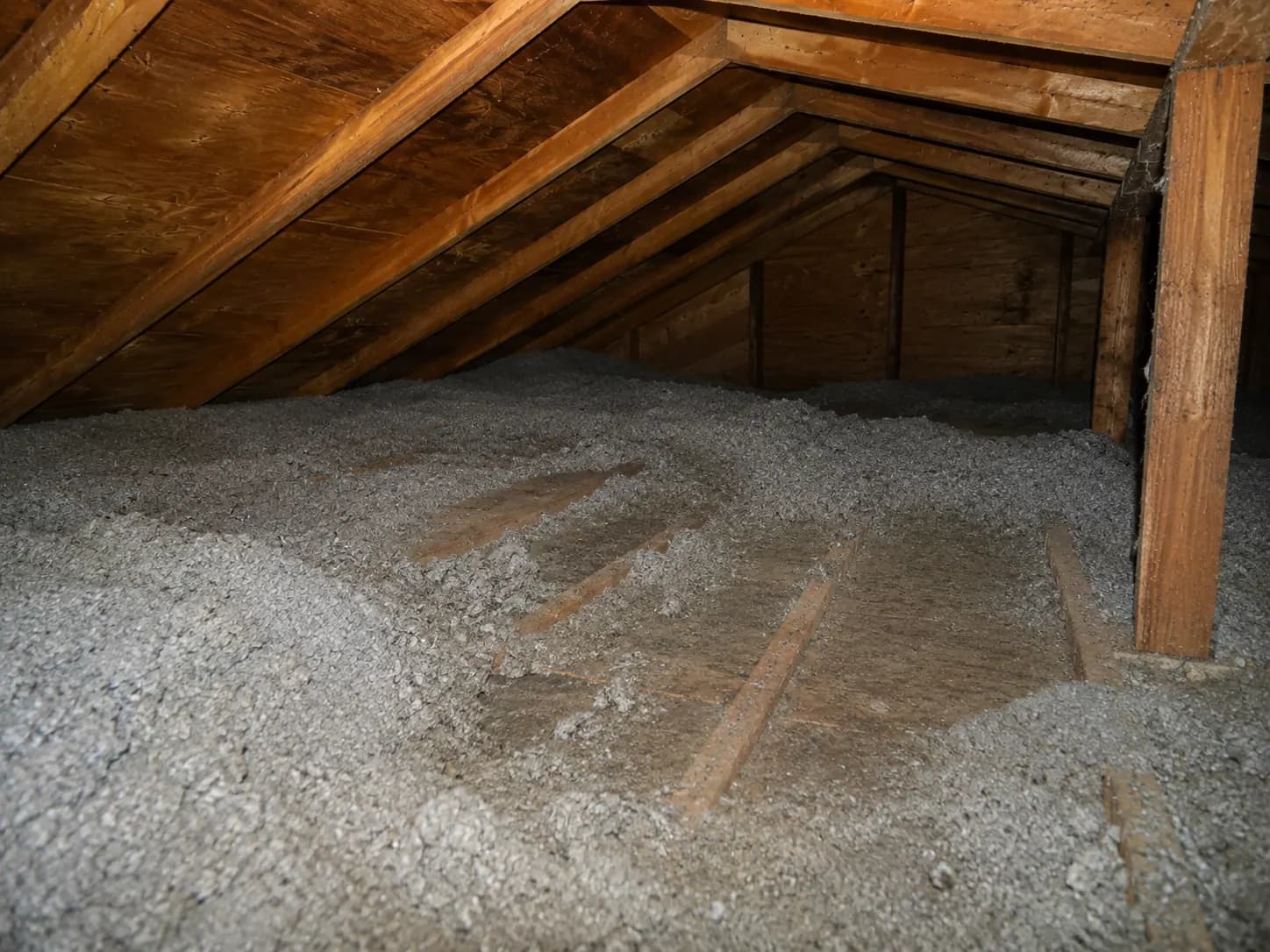
Searching for attic insulation companies near me usually starts with a cold bedroom, a hot upstairs in July, or a heating bill that keeps climbing. In Toronto and across the GTA, the right contractor should diagnose before quoting, explain an attic insulation top-up in plain terms, and never guess at what is behind the ceiling.
What "near you" should mean in Toronto and the GTA
A contractor that lists Toronto as a service area should be able to say, without hedging, which neighbourhoods and municipalities they actually cover. That matters because access, house age, and roof style vary block to block, even within the same city. A company working across Toronto, Mississauga, Brampton, Vaughan, Markham, Oshawa, Caledon, and their surrounding neighbourhoods should be able to name the specific area you live in, not just say "GTA" and move on.
"Near you" should also mean the contractor understands local housing stock: older homes with settled insulation and blocked soffits, newer builds with air leaks around pot lights and bathroom fans, and everything between. That local knowledge is what separates a general contractor doing insulation on the side from a company where attic work is the actual specialty.
Ask what the quote is based on, not just what it costs
No two attics are the same, so no honest contractor should hand you a number before understanding the job. A reasonable process starts remotely: from the address, the roof and attic footprint, the age of the house, and the attic size, a range can come back before anyone books a visit or climbs into the attic. That is not a shortcut, it is how a first estimate should work.
Before you sign anything, ask:
- What exactly is included in the scope, in writing?
- Is the price based on square footage, condition, or both?
- What happens if something unexpected turns up once the attic is opened?
- Is there a warranty on the workmanship, and what does it cover?
A contractor who cannot answer these clearly is not ready to be in your attic.
Why the process should follow a fixed order
A serious insulation job is not one visit and done. It should run in a set sequence: a first conversation, a remote quote, a written scope, preparation and protection of the work area, the actual work, then a verification step against what was written down. The warranty on the workmanship, including its term and what it covers, should be confirmed in writing with the quote, before anything gets scheduled.
That order protects you. It means the scope was agreed to before material went into the attic, and it means there is something to check the finished work against, instead of taking someone's word for it.
When a top-up is enough, and when it is not
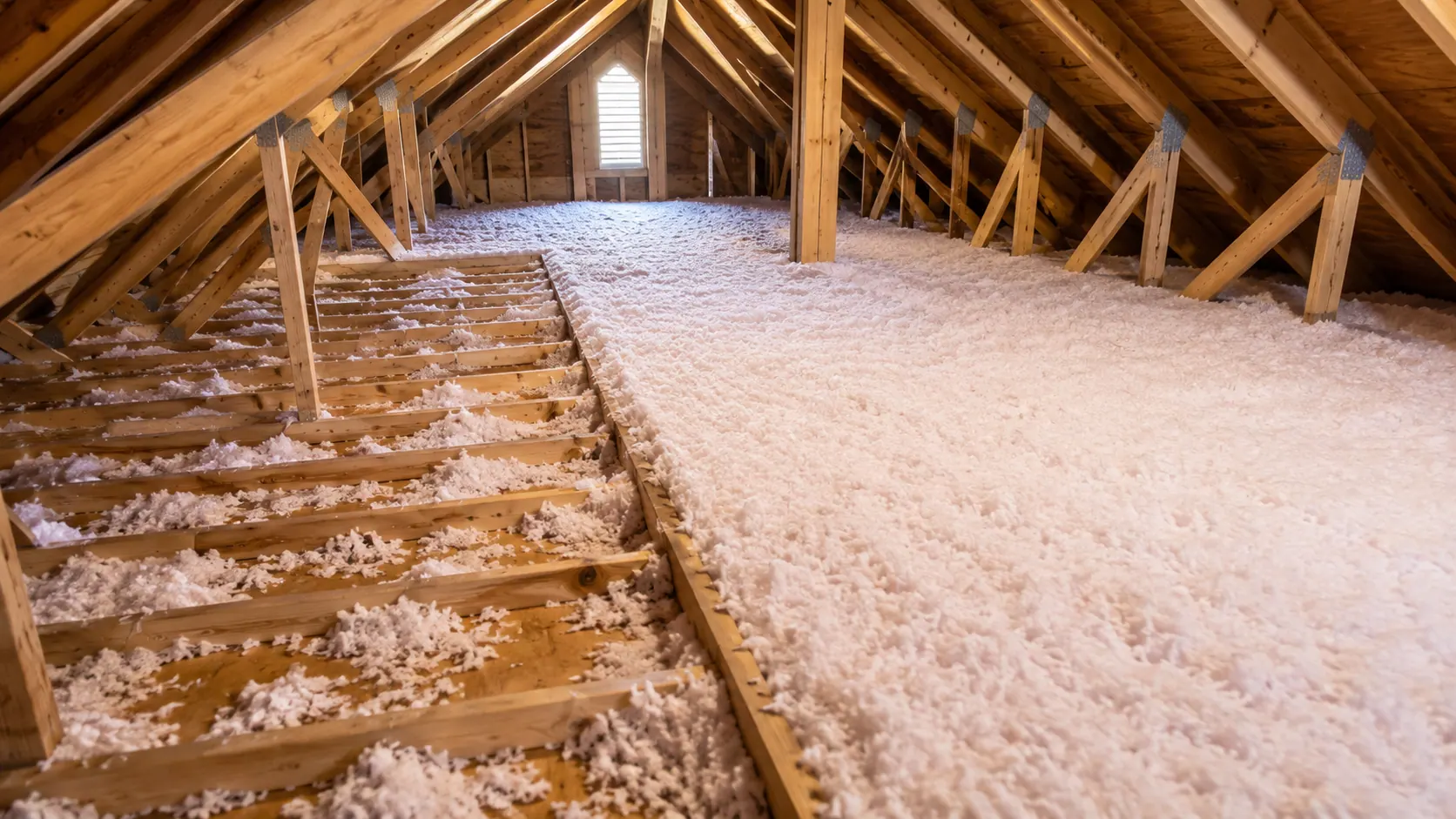
An attic insulation top-up adds material over existing insulation that has settled or thinned out, and for a lot of houses that is exactly what is needed. But a cold room or a hot upstairs does not tell you the cause on its own. The same symptom can come from thin insulation, air leaking up through the ceiling, or a ventilation path that got blocked at some point. Only a look at the actual attic settles which one it is.
This is also where removal or decontamination sometimes has to come first. If insulation has been wet, contaminated, or damaged, adding a top-up over it just buries the problem under new material, and you end up paying for the job twice. A contractor should be willing to say "this needs to come out first" even when that is not the answer you were hoping for.
Air sealing and ventilation: the parts easy to skip
Insulation alone does not fix a leaky ceiling. Pot lights, bathroom fan housings, and the attic hatch are common places where warm air escapes upward all winter, and no amount of extra insulation compensates for that on its own. Baffles that keep soffit vents clear matter just as much: block that airflow and you risk moisture problems in the attic regardless of how much insulation sits on the floor.
A contractor worth hiring should be looking at air sealing and ventilation as part of the same job, not as an upsell added after the fact.
What honestly cannot be answered without a look
Anything that cannot be confirmed without opening something up, whether that is what is under existing insulation or the condition of a vent path, should be written down as an unknown rather than guessed at. If a contractor gives you a firm final number over the phone with no visit and no photos, be cautious. The honest answer, before an actual inspection, is a range with the variables named.
If you want a written scope for your own attic instead of a general estimate, you can request a free quote and start with the same first conversation described above. For more on how attic problems connect to each other, the blog covers ventilation, air sealing, and top-up topics in more detail.
Where this applies
Questions about this
Tap a question, get a straight answer.
Tap a question and the answer comes back. Anything specific to your attic, we sort out on the call.

Eco-Therma
Usually replies the same day
What is the average cost to insulate an attic?
There is no single average because attic size, existing condition, access, and the scope of work (top-up versus removal and replacement) all change the price. The most reliable way to get a real number is a free quote based on your actual address and attic.
How much does it cost to insulate a 2,000 sq ft attic?
Square footage is only one input: condition of the existing insulation, whether air sealing or ventilation work is needed, and access to the attic all move the price up or down. A quote for your specific attic will account for all of these rather than a flat per-square-foot number.
Is replacing attic insulation worth it?
It depends on why the current insulation is underperforming. If it has simply settled or thinned, a top-up is often enough; if it has been wet, contaminated, or damaged, replacing it is usually the only way to stop the problem from being sealed in under new material.
How do I choose an attic insulation contractor near me?
Look for a contractor that names your specific area within Toronto or the GTA rather than a vague region, explains what a quote is based on before naming a price, and puts the scope and warranty terms in writing before scheduling any work.
Does Eco-Therma work in my part of Toronto?
Eco-Therma serves Toronto and its districts along with surrounding municipalities across the GTA, including Mississauga, Brampton, Vaughan, Markham, Oshawa, and Caledon. The fastest way to confirm coverage for your address is to request a free quote.

Want this checked in your own attic?
Send your address and the approximate attic size. A remote quote comes back — no attic access needed.