
Insulation notes
Blown-In Cellulose Insulation for Toronto Attics
September 23, 2026
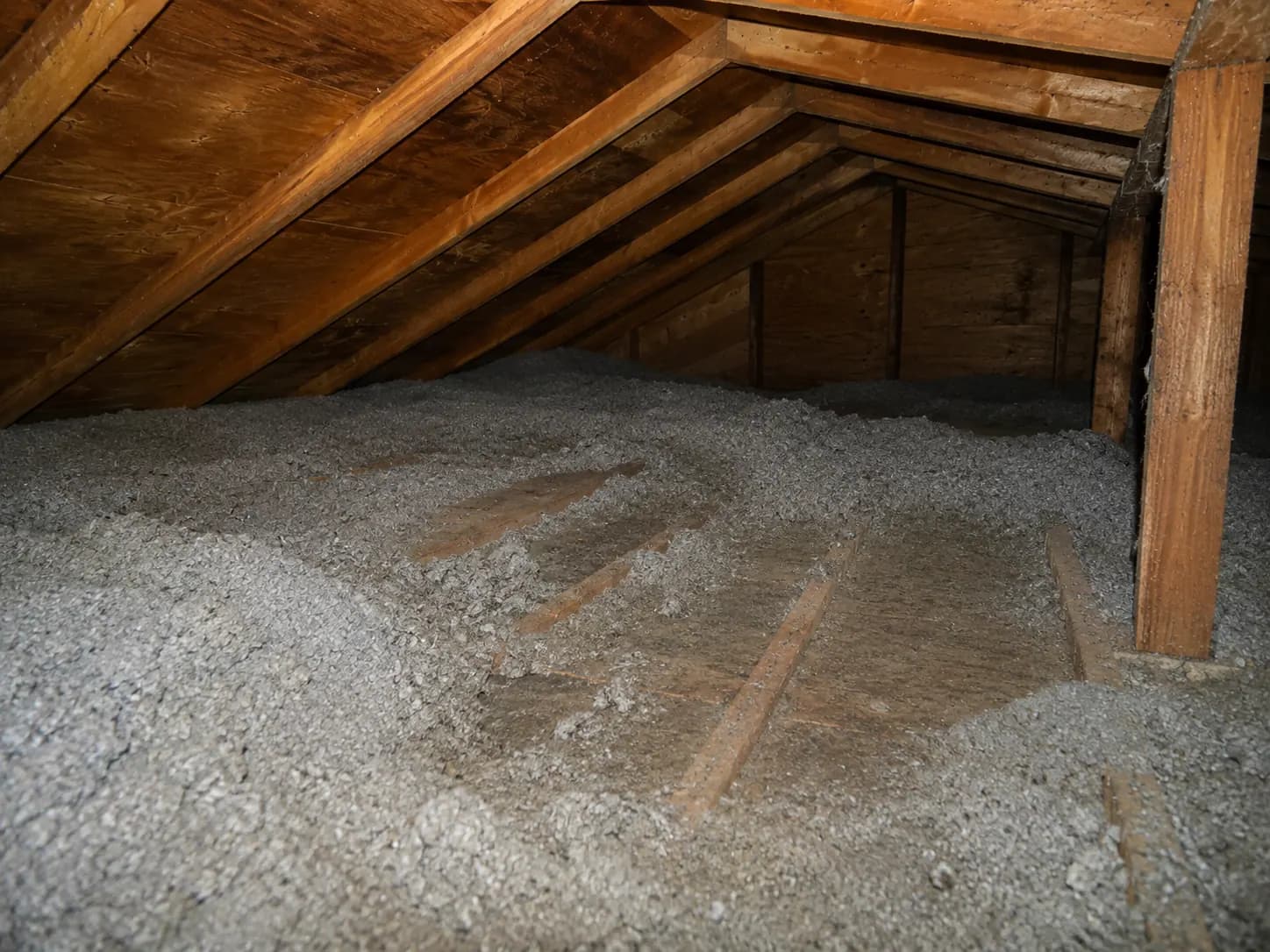
Blown-in cellulose insulation is a loose-fill material blown into attic cavities to add depth without tearing into ceilings or existing structure. It is a common choice for an attic insulation top-up in Toronto homes where the upstairs runs hot in summer, the main floor stays cold in winter, or heating bills keep climbing. Whether it is the right material for your attic depends on what is already up there, and that is confirmed through a quote, not a guess from the driveway.
What blown-in cellulose insulation does in a top-up
A top-up means adding insulation over what already exists in the attic, rather than stripping everything out first. Cellulose is loose-fill, so it settles around joists, wiring, pot lights and other obstacles that batt insulation tends to leave gaps around. That makes it a practical option for older Toronto and GTA homes where the attic framing is not perfectly regular and where the goal is simply to bring the total depth up to a better level.
A top-up only works, though, if what is underneath is dry, clean and doing its job. Blowing new material over insulation that is compacted, contaminated or sitting on a ceiling that is leaking air does not fix the underlying issue: it just buries it. That is one reason a proper attic insulation project usually starts with a look at the whole attic, not just the depth of the insulation.
Cellulose, fiberglass or spray foam: how to think about the choice
Homeowners often ask what is better, blown-in cellulose or fiberglass, or whether spray foam beats cellulose outright. There is no single correct answer, because the three materials solve slightly different problems:
- Cellulose (loose-fill): fills irregular cavities well and is a common top-up material over existing loose-fill or batt insulation in an unfinished attic.
- Fiberglass (loose-fill or batt): also used for top-ups, but batt form can leave gaps around obstacles if not cut carefully.
- Spray foam: bonds to surfaces and can also act as an air barrier, which matters when air leakage, not just insulation depth, is the source of the cold room.
The real question is rarely "which product wins" in the abstract. It is what your attic needs: more depth, better air sealing, or both. A cold upstairs bedroom can come from thin insulation, from air leaking up through the ceiling around a bathroom fan or a wiring penetration, or from a ventilation path that got blocked years ago. The same symptom has different causes, and only an inspection of the actual attic settles which one applies to your house.
Where blown-in cellulose insulation falls short
The main downside of cellulose is its relationship with moisture. Loose-fill cellulose is not designed to get wet. If a roof has leaked, if there is condensation from a bathroom fan venting into the attic instead of outside, or if ice damming has pushed water back under the shingles, wet cellulose can compact, lose performance and, in some cases, need to be removed rather than topped up.
That is why a straightforward insulation job sometimes turns into a two-step project: attic decontamination or moisture remediation first, then insulation. Skipping that step and blowing new cellulose over a wet or contaminated attic floor does not solve the problem. It hides it, and the homeowner ends up paying for the work twice.
What has to be right before you add cellulose
Before a top-up makes sense, a few things need to be true:
- The existing insulation, if any, is dry and not contaminated.
- Air sealing around penetrations (pot lights, plumbing stacks, the attic hatch) is in reasonable shape, or is addressed as part of the same job.
- Baffles and ventilation paths at the eaves are clear, so new insulation does not end up blocking airflow that the roof needs.
- There is enough clearance around chimneys and fixtures rated for insulation contact, per what is on site.
Anything that cannot be confirmed without opening something up gets written down as an unknown rather than guessed at. That is also why a solid quote process asks about the age of the house and the attic footprint before anyone commits to a scope.
What moves the price, and how Eco-Therma runs the job
There is no published price for blown-in cellulose insulation, and that is deliberate: attic size, the condition of what is already there, access, and whether removal or air sealing is needed alongside the top-up all change the scope. A remote quote can still be built from the address, the roof and attic footprint, and the age of the house, without booking a visit first (see our approach).
Every project then follows the same six steps in order: a first conversation, the remote quote, a written scope, preparation and protection of the work area, the installation itself, and a final check against what was written down ahead of time. Workmanship is covered by a warranty, and its exact term is confirmed in writing before anything is scheduled (details on our warranty and process page). The service area covers Toronto and the surrounding GTA, including named neighbourhoods across Mississauga, Brampton, Vaughan, Markham, Oshawa and Caledon (see our full service area).
If your attic is due for a top-up, the fastest way to know what it actually needs is to request a free quote. For more on how attic problems get diagnosed and fixed, see the rest of the blog.
Where this applies
Questions about this
Tap a question, get a straight answer.
Tap a question and the answer comes back. Anything specific to your attic, we sort out on the call.

Eco-Therma
Usually replies the same day
What is the downside of cellulose insulation?
The main downside is its sensitivity to moisture. Wet cellulose can compact and lose performance, so a roof leak, condensation from a bathroom fan, or ice damming needs to be dealt with before or alongside adding new material.
What is better, blown-in cellulose or fiberglass?
Both are used for an attic insulation top-up, and the better choice depends on the attic itself. Loose-fill cellulose tends to fill irregular spaces around obstacles more evenly, while fiberglass in batt form can leave gaps if not fitted carefully around joists and fixtures.
What is better, spray foam or cellulose?
Spray foam bonds to surfaces and can double as an air barrier, while cellulose is a loose-fill material typically used to add depth over an existing attic floor. If air leakage through the ceiling is the main problem, air sealing matters more than which insulation type sits on top of it.
What is the healthiest insulation for a house?
There is no single insulation type that suits every house, since attic condition, moisture history and air sealing all factor in. The safer approach is to have the attic assessed so any moisture or contamination issue is addressed before new insulation goes in, rather than choosing a material based on a general claim.
How does an attic insulation top-up work for a Toronto home?
A top-up adds new insulation, often blown-in cellulose, over existing material once the attic is confirmed to be dry and clean. In Toronto and the GTA, this is typically quoted remotely from the house's age and attic footprint, then confirmed with a written scope before work is scheduled.

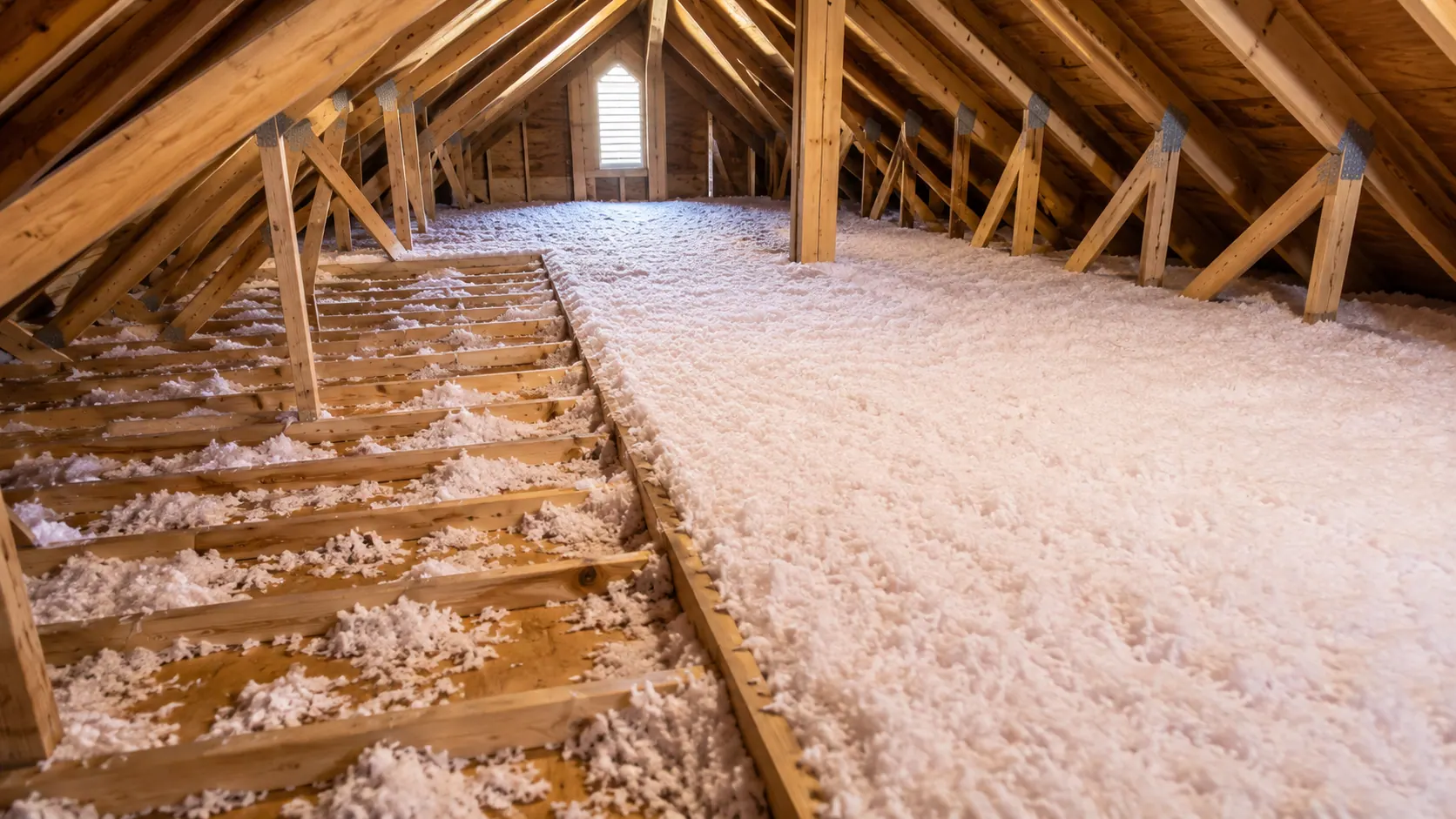
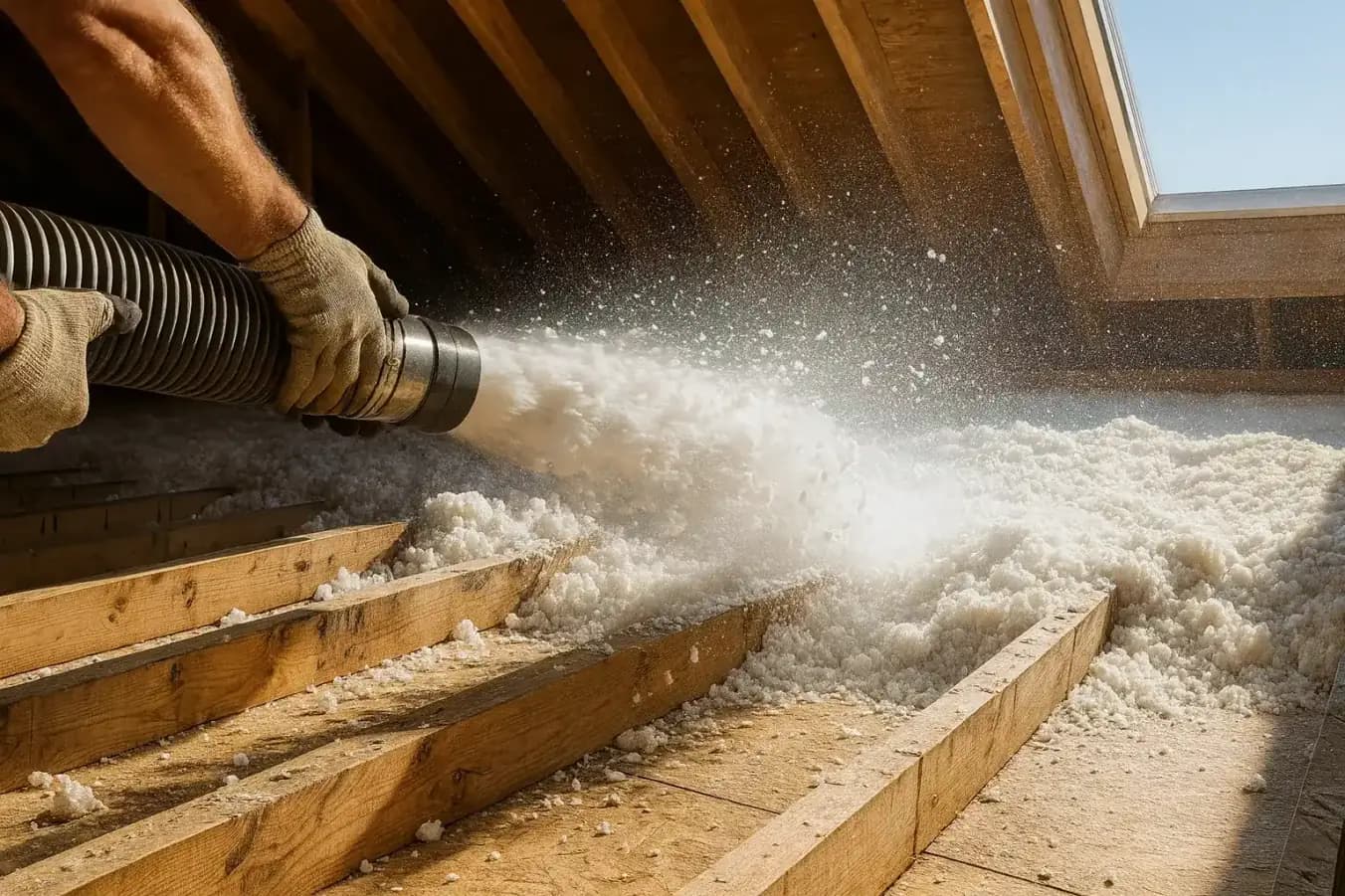
Want this checked in your own attic?
Send your address and the approximate attic size. A remote quote comes back — no attic access needed.