
Commercial service in Toronto and the GTA
Commercial Mold Remediation
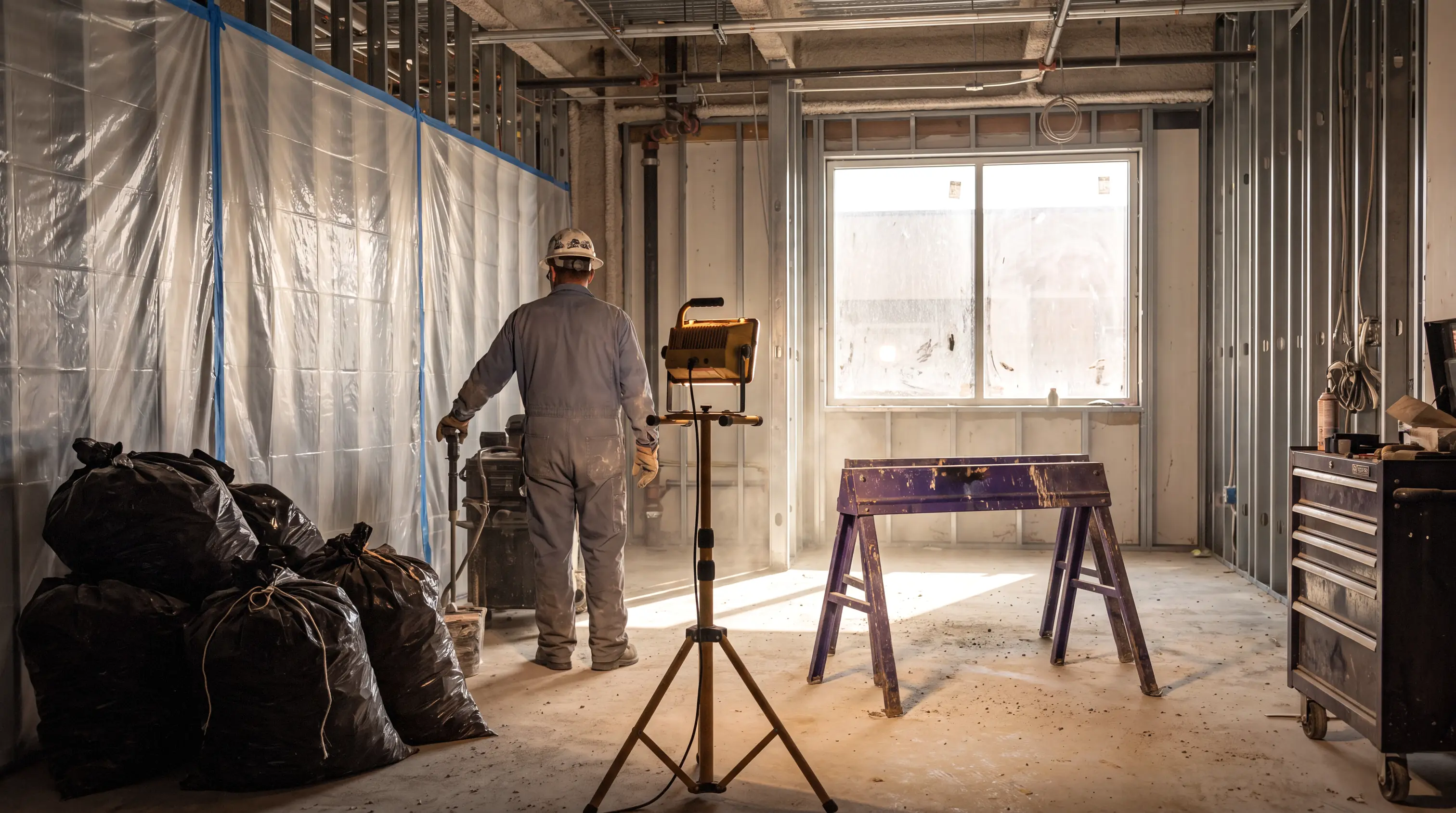
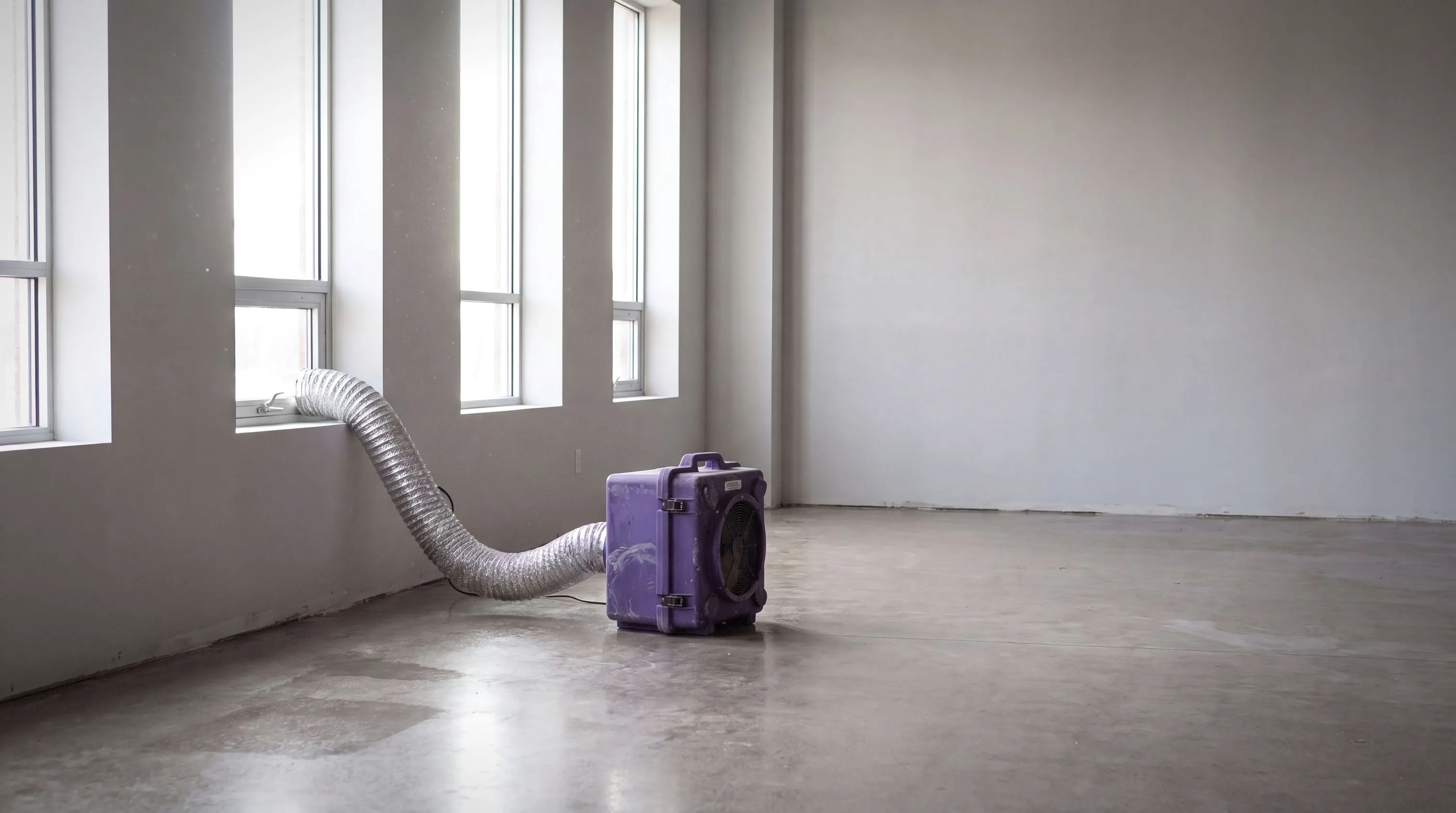
Containment, HEPA filtration, surface treatment and removal of affected insulation or building materials.
What the building is telling you
Signs you may need this
These show up in operation long before they show up in a report. The cause is usually in the assembly, not in how the space is being used.
- Visible growth on ceilings, walls or insulation
- A persistent musty odour in a unit or a common area
- Staining after a roof, plumbing or sprinkler failure
- Tenant complaints tied to one area of the building
- Growth found during a renovation or a scheduled inspection
- An insurer or a building file requiring documented remediation
Containment first, because a building shares its air
In a commercial building, the danger is distribution. Open plenums, shared returns and running air handlers will move spores from one tenant to another the moment affected material is disturbed. So the sequence is fixed: isolate the zone, address the air handling, filter, then remove. Affected porous material is taken out rather than treated in place, because a coating over compromised material hides it instead of resolving it.
Is this the right scope for your building?
When it applies
- Growth is visible or has been identified in an assembly
- Material has been water-affected and is now compromised
- The work has to be documented for a tenant, an insurer or a building file
When something else comes first
- The water source is still active, which is repaired first or the growth returns
- The area needs independent testing before a scope can be defined
We describe the work performed and the condition of the area, and nothing about health outcomes. Where independent testing or an air-quality professional is the right call, we say so instead of working around it.
How the work runs
Our process
Assessment and boundary
Extent of the affected area, the moisture source, and where containment has to sit.
Containment and air handling
Zone isolated, mechanical systems addressed, HEPA filtration in place.
Removal of affected material
Compromised porous material removed rather than coated over.
Surface treatment and cleaning
Remaining structure treated and the area cleaned.
Documentation and clearance
Work performed and final condition recorded for the building file.
About this service
Questions we get on this one.
Specific to commercial mold remediation. Tap a question.

Eco-Therma
Usually replies the same day
Where does mold usually start in a commercial building?
Wherever moisture sits: roof leaks, cold surfaces that condense, and poorly sealed mechanical spaces. The staining is the symptom, the water source is the problem.
Can the space stay occupied during the work?
The affected area is contained and separated from the rest of the building. Which parts stay usable is set out before the work starts.
Why does it come back after cleaning?
Because the moisture that fed it is still there. Correcting the source is part of the work, not an extra.
Do you identify what it is?
Visible staining is not a species identification. If testing matters for your situation, that is a separate specialized service.
A practical next step
Request a review on commercial mold remediation.
Send the project details, the scope and any drawings or specifications you already have. We review them before quoting and come back with what still needs to be confirmed.