
Insulation notes
Attic R-Value Requirements for Ontario Homes Explained
September 22, 2026
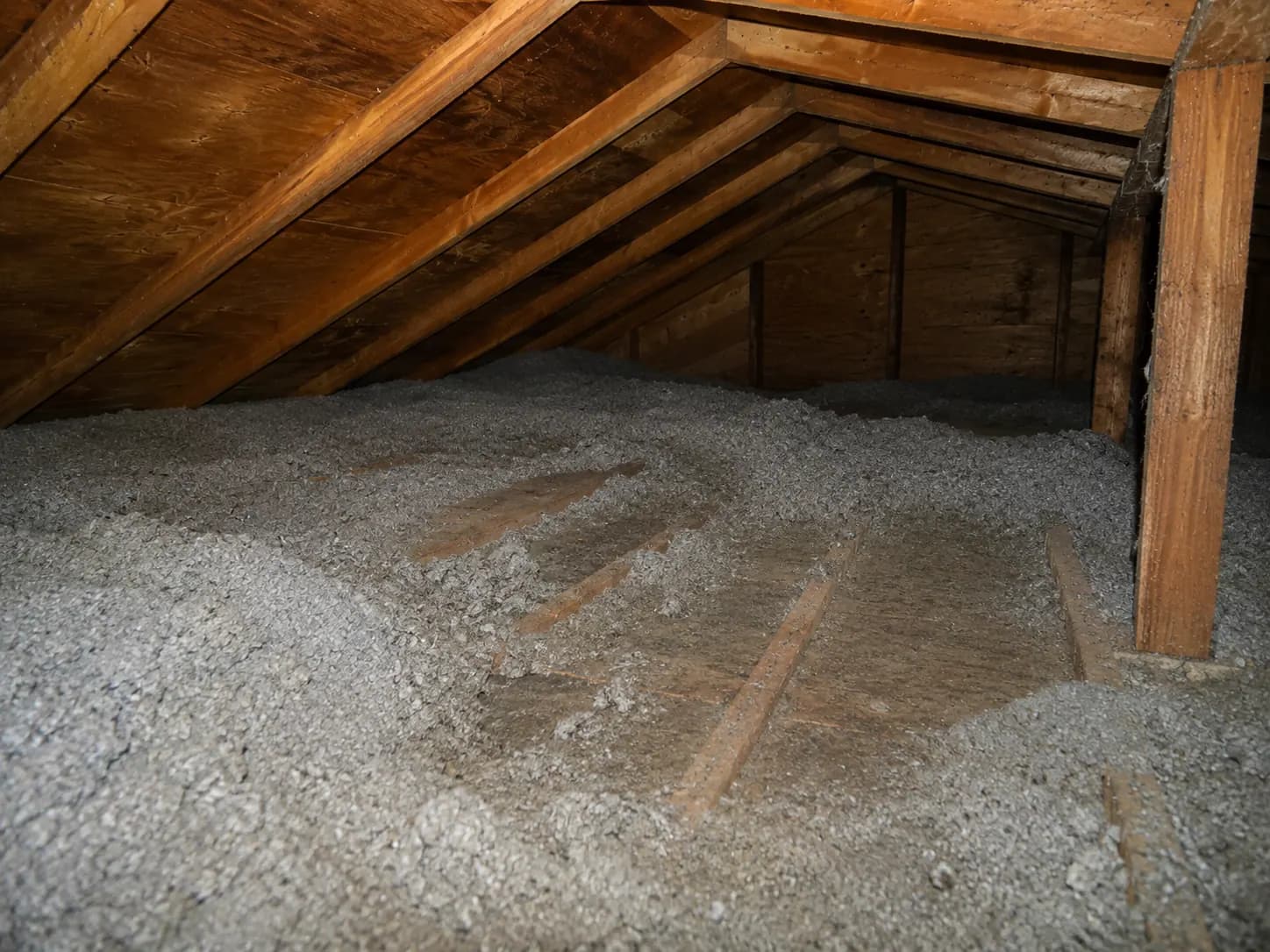
In most of Southern Ontario and the GTA, the attic R-value target used for insulation upgrades is R-60. That number describes the whole assembly, not one layer, and it tells you what to aim for, not whether your attic already gets there. An attic insulation top-up in Toronto often starts by measuring what is actually up there.
What R-60 Means for a Toronto Attic
R-60 is the design target commonly used for attic insulation across Toronto and the GTA. It describes total thermal resistance through the full depth of material in the attic floor, not a single product or brand. For a homeowner weighing an attic insulation top-up, R-60 is the number a contractor compares the current attic against, but that comparison only means something once the existing depth, type and condition of the insulation have actually been measured, not estimated from a bag count or an old renovation receipt.
How Thick Is R-60 Attic Insulation
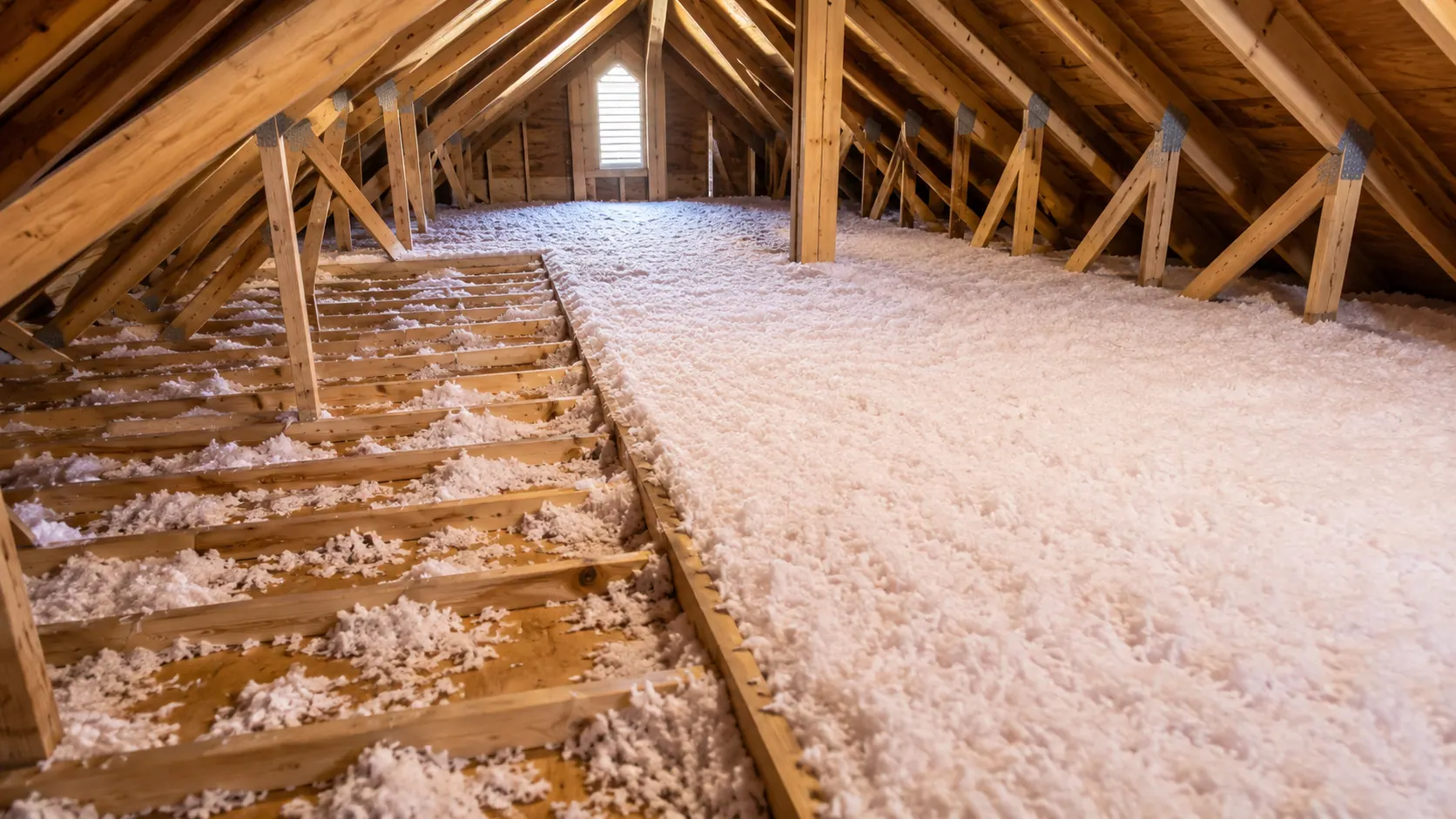
Thickness depends on the material, because different insulation products carry different R-values per inch. Blown cellulose typically averages in the R-3.2 to R-3.5 per inch range, which puts R-60 somewhere around 17 to 18 inches of material. Blown fibreglass usually runs a bit lower per inch, closer to R-2.5 to R-3.2, so reaching R-60 with fibreglass can mean closer to 20 inches. Mineral wool (rockwool) is denser and often rated near R-4.0 per inch, so it needs less depth to reach the same target. None of these figures replace a look inside your own attic: joist height, roof slope and what is already there all change what depth is realistically achievable, especially near the eaves.
Why Existing GTA Attics Rarely Hit the Target on Their Own
An attic rarely has only one problem. Insulation installed decades ago settles and compresses over time, which lowers its effective R-value even when the depth still looks reasonable from the hatch. Air leaking through the ceiling, around pot lights, a bathroom fan housing or the attic hatch itself, lets heated air bypass the insulation completely, which is one reason a room can stay cold even after a top-up. A ventilation path blocked years ago, or material that has been wet or contaminated, needs to be dealt with before new insulation goes in, because adding material over an existing problem hides it rather than solving it, and the homeowner ends up paying for the same fix twice.
Is R-60 Always the Right Number, or Can You Over-Insulate
R-60 is a target, not a ceiling, but adding material past what the roof assembly and ventilation can handle does not do much good. Continuous airflow from the soffits to the ridge or gable vents has to stay clear; insulation piled over soffit vents can trap moisture even if the R-value on paper looks higher. For most GTA homes, R-60 is a reasonable and commonly used target, and going well past it without first fixing air sealing and ventilation brings little extra benefit. Whether R-60 is worth pursuing for a specific attic depends on what condition the existing insulation is in and what the rooms below are actually costing to heat, which is a question a proper assessment answers, not a general rule.
What Changes the Price of Getting There
No price is published for attic insulation work, because attic size, existing condition, access and the scope required all move it. What can be explained is how a quote gets built: from the property address, the roof and attic footprint, the age of the house and the attic size, a range comes back without needing attic access or a booked visit first. If removal, decontamination or air sealing has to happen before a top-up, that gets scoped into the same quote rather than discovered partway through the job. Every project then runs through the same six steps in order, first conversation, remote quote, written scope, preparation and protection, the work, then verification against that written scope, with warranty terms confirmed in writing before anything is scheduled.
The clearest way to know what a specific attic needs, and what reaching R-60 would actually involve, is to request a free quote. For related reading on attic condition and air sealing, see the attic insulation blog.
Where this applies
Questions about this
Tap a question, get a straight answer.
Tap a question and the answer comes back. Anything specific to your attic, we sort out on the call.

Eco-Therma
Usually replies the same day
Do mice chew through rockwool insulation?
Rockwool (mineral wool) is generally not a food source for rodents and is often chosen where pest resistance is a concern, but no insulation material stops rodents from entering through an open gap or crack. Sealing entry points in the attic and around the building envelope matters more than the insulation material itself.
Can I put too much insulation in my attic?
You can add insulation past the point of any real benefit, and piling material over blocked soffit vents or ignoring air leaks does not fix the underlying problem, it just hides it. Insulation depth needs to work alongside ventilation and air sealing, not replace them.
Is R60 attic insulation worth it?
R-60 is the commonly used target for attics across Toronto and the GTA, and for most existing homes it is a reasonable level to aim for. Whether it is worth pursuing for a specific house depends on the current insulation condition and any air leakage or ventilation issues, which is best confirmed through a quote rather than assumed.
How thick is R60 attic insulation?
Thickness depends on the material: blown cellulose usually reaches R-60 around 17 to 18 inches, blown fibreglass closer to 20 inches, and denser mineral wool somewhat less. Actual depth in a given attic also depends on joist height and roof slope.
What does an attic insulation top-up in Toronto actually include?
A top-up adds insulation over existing material to bring an attic closer to a target like R-60, but it is only part of the picture if the ceiling has air leaks or the ventilation path is blocked. A quote for a Toronto attic insulation top-up looks at existing depth, air sealing and ventilation together before recommending material.
Want this checked in your own attic?
Send your address and the approximate attic size. A remote quote comes back — no attic access needed.