
Commercial service in Toronto and the GTA
Commercial Firestopping
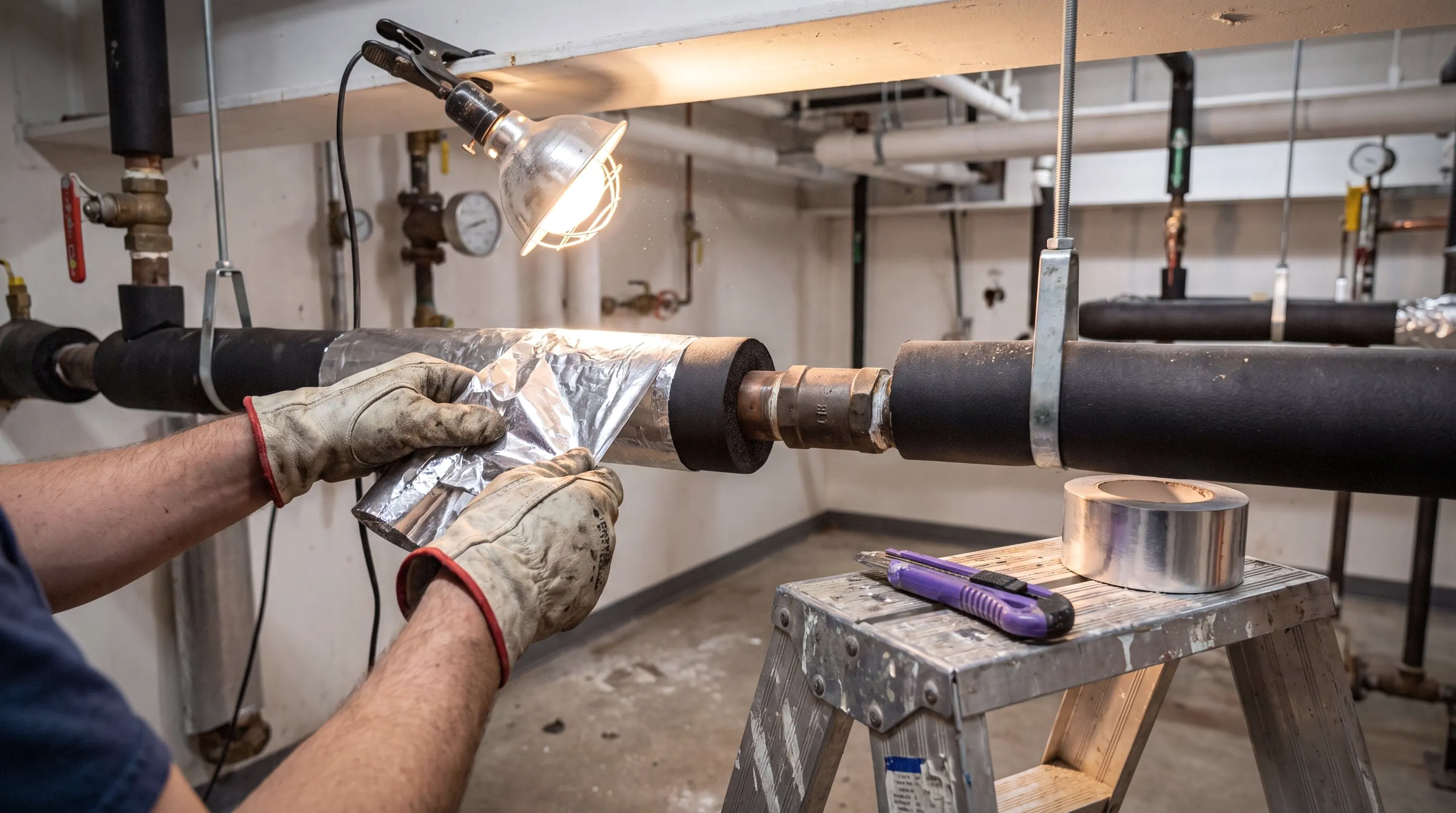
Fire-rated sealing around penetrations and joints, along with fire-resistant insulation systems.
What the building is telling you
Signs you may need this
These show up in operation long before they show up in a report. The cause is usually in the assembly, not in how the space is being used.
- Unsealed penetrations through a rated wall or floor
- New cabling or piping run through an existing assembly
- Gaps at the head of a wall where it meets the deck above
- Deficiencies flagged during an inspection or a building audit
- Renovation work that opened rated assemblies
- Joints and penetrations with no record of what was used to seal them
Specified for the assembly in front of us
Materials and options
Sealants and putties
Applied at penetrations so the rated assembly is continuous again.
Fire-resistant insulation
Used within assemblies and joints where the design calls for it.
Collars and wraps
Fitted at combustible services that pass through a rated assembly.
A rated assembly is only rated where it is continuous
A rated wall or floor stops working at its holes. Every pipe, cable tray and duct that crosses it is a break, and the seal at that break has to suit both the assembly and what passes through it. This is also why firestopping is documentation as much as installation: what was used, where, and around which service. Renovations open assemblies constantly, and the record is what lets the next inspection be answered without opening the wall again.
Is this the right scope for your building?
When it applies
- Penetrations through rated assemblies are unsealed or were opened during work
- An inspection or audit has flagged deficiencies
- New services have been run through existing walls or floors
When something else comes first
- The assembly itself has to be rebuilt, which is a construction scope
- The deficiency is structural rather than a penetration
Requirements come from the assembly and the authority having jurisdiction, not from us. We install to what the assembly calls for and document what was done, so the record exists when someone asks for it.
How the work runs
Our process
Survey of penetrations and joints
Locations, assembly types, and what services pass through each one.
Selecting the right treatment
Matched to the assembly and to the service crossing it.
Review of drawings and specifications
Assembly types and rated separations read off the drawings before anything is quoted, so the treatment matches what the design calls for.
Coordination with the general contractor
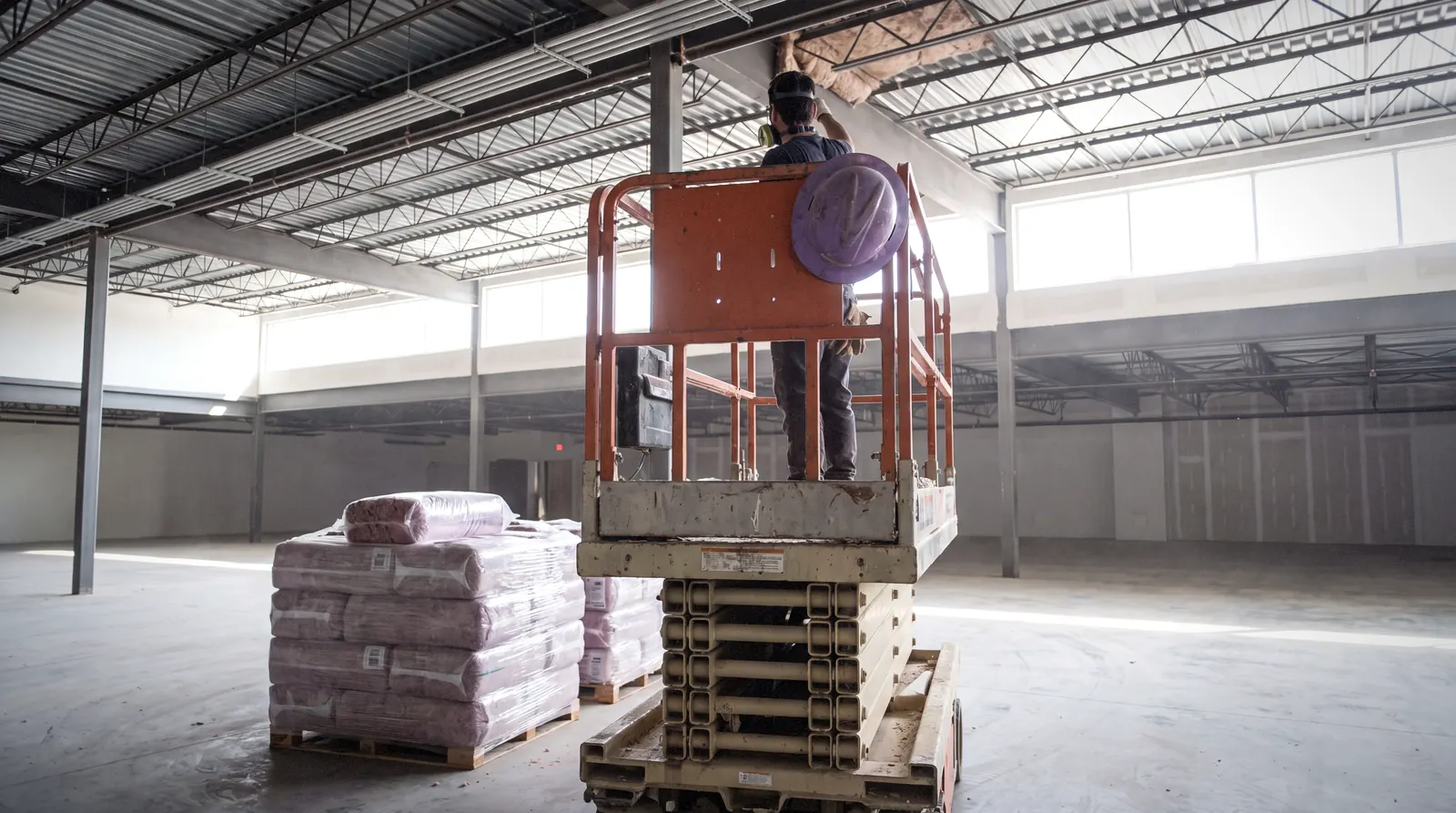
Sequenced with the GC and the other trades after the services are run, so the seal is not opened again the next day.
Installation
Penetrations and joints sealed so the assembly is continuous again.
Documentation
What was installed and where, recorded for inspection and for the building file.
About this service
Questions we get on this one.
Specific to commercial firestopping. Tap a question.

Eco-Therma
Usually replies the same day
What is firestopping actually sealing?
The openings made through a fire-rated wall or floor — pipes, ducts, cable trays, conduit — and the joints between assemblies.
When does it apply?
Wherever a rated assembly has been penetrated. Which assemblies are rated in your building is read from the drawings, never assumed on site.
Is fire-rated insulation the same thing?
No. Insulation slows heat transfer; firestopping restores the rating of an assembly at the point where something passes through it.
A practical next step
Request a review on commercial firestopping.
Send the project details, the scope and any drawings or specifications you already have. We review them before quoting and come back with what still needs to be confirmed.